The Glass-Bowl Temptation: Raspberry Banana Chocolate Cloud Trifle
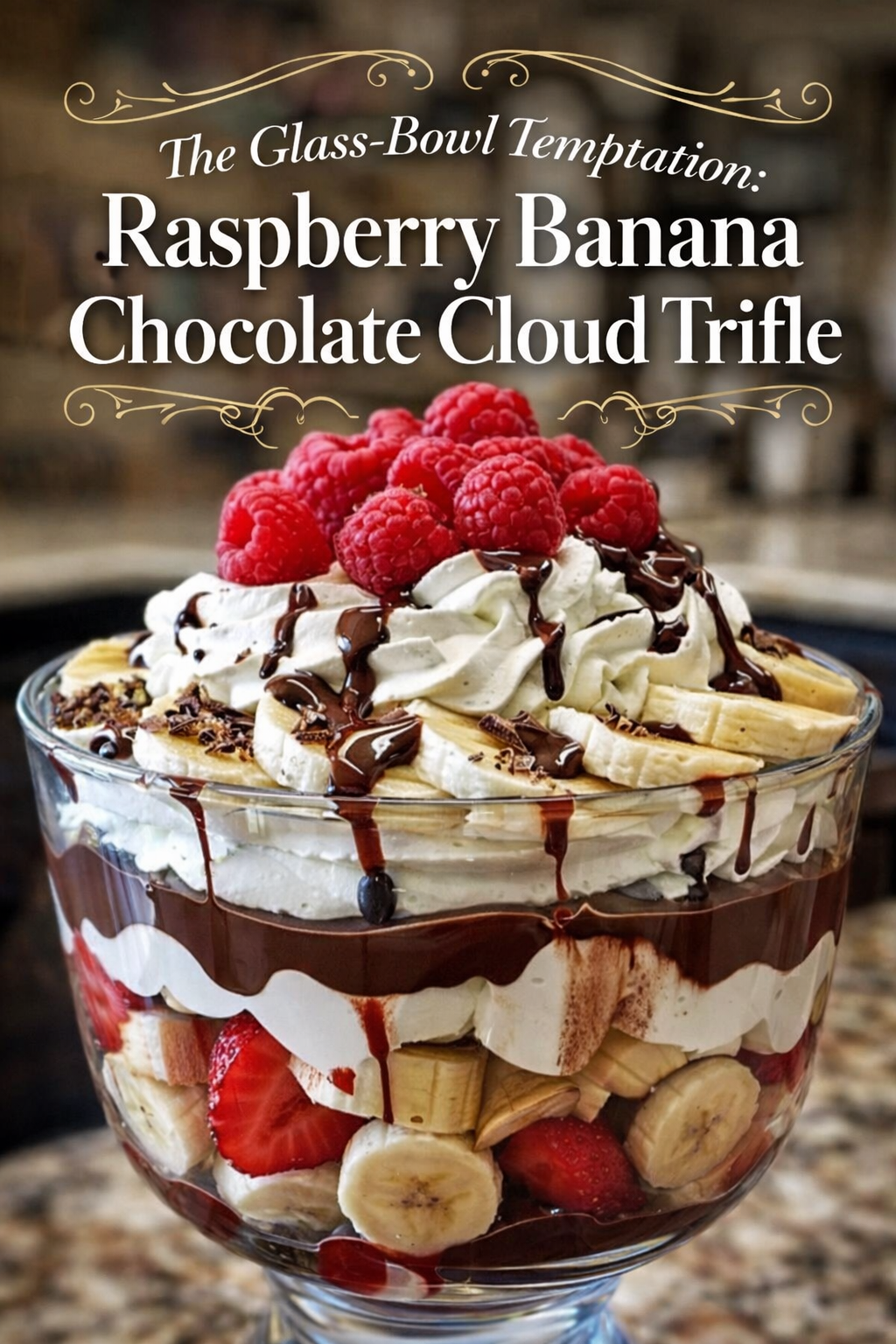
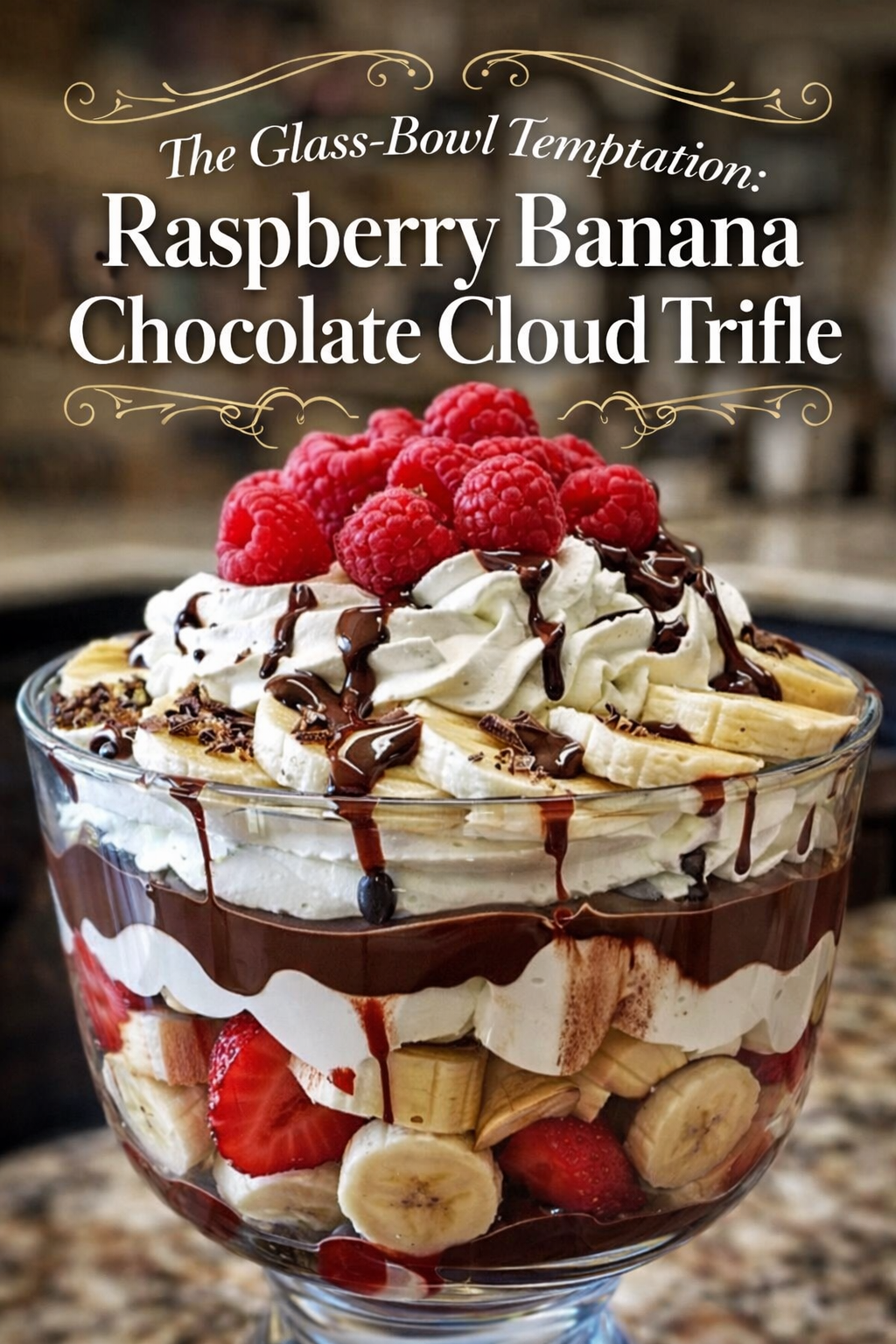
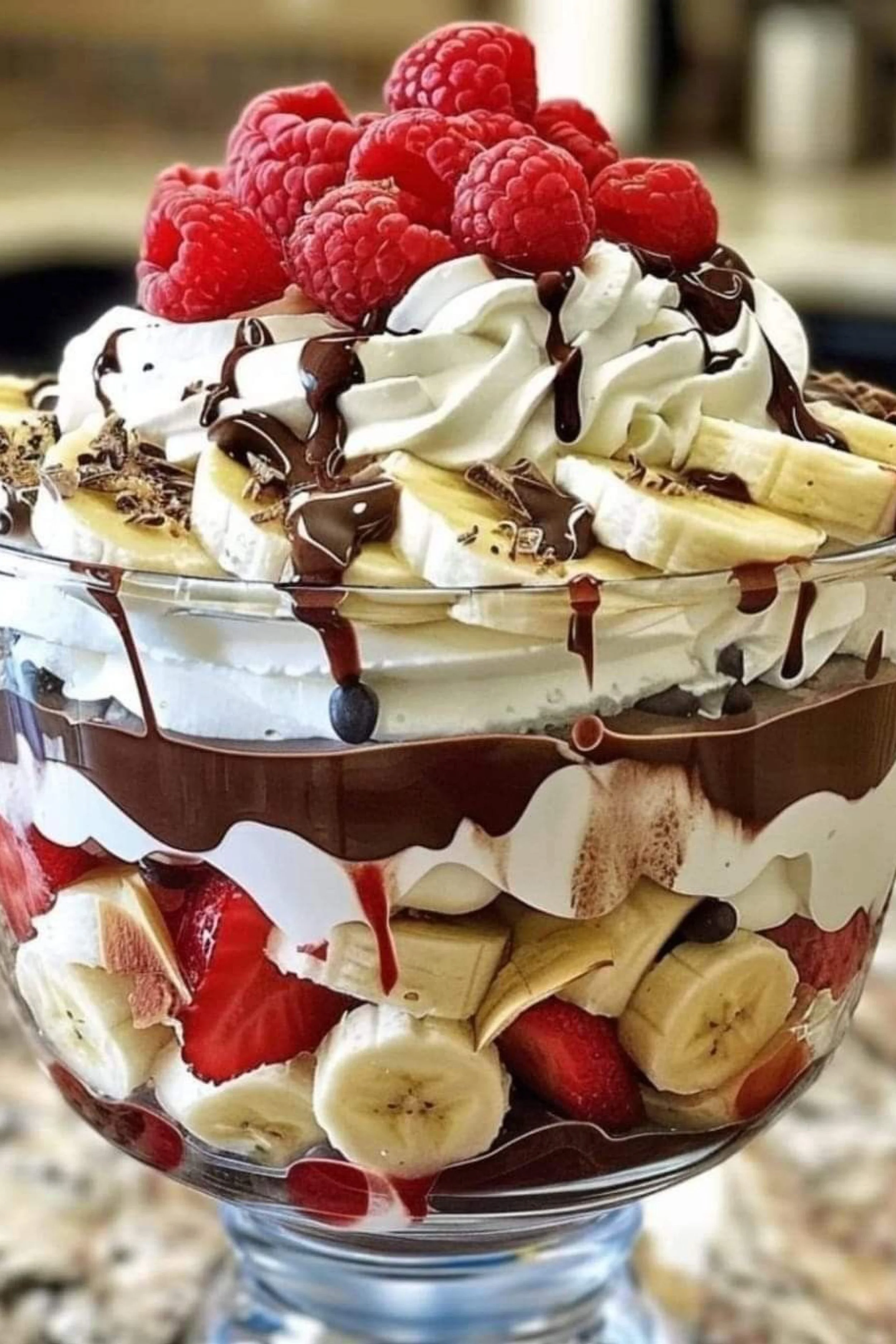
There’s something almost theatrical about a dessert served in glass—nothing hidden, nothing forgiven. Every layer becomes part of the promise: the glossy dark ribbons that cling to the bowl, the pale, pillow-soft cream that looks like it was spooned from a dream, and the bright fruit that reads like confetti on the tongue. One look and you can already taste the contrast—cold and velvety against juicy and fresh, sweet cream against the faint bite of berries, chocolate pooling into little midnight lakes where the spoon will inevitably dive first.
The first thing you notice is the shine. Chocolate doesn’t just sit here; it drips with intention, tracing slow paths down the inside of the bowl as if it had all the time in the world. It’s the kind of dessert that begs for a wide spoon and a little impatience, the kind where “just a taste” becomes the whole moment. Beneath that dark gloss, the cream holds its shape—swirled high, sculpted like satin. If you want that same swoop-and-stay drama at home, a chilled bowl and a sturdy electric hand mixer for fluffy peaks make the difference between soft and showstopping.
Then comes the fruit—raspberries piled like rubies, each one matte and delicate, the kind that perfumes the air before you ever take a bite. Bananas slice into clean coins, pale and mellow, the quiet sweetness that makes the berries feel louder. Strawberries tuck in like glossy red gemstones, and the occasional deep-blue dot peeks through like a secret. It’s a dessert built on contrast: bright and dark, creamy and crisp, soft and juicy. A sharp blade matters when you want fruit that looks as good as it tastes; a small serrated knife for clean strawberry and banana slices keeps everything neat without bruising what should stay beautiful.
Glass makes it honest, but it also makes it seductive. You can see the story from top to bottom: the cream layer like a snowfall, the chocolate and cream alternating in swoops, the fruit pressed against the sides so every scoop looks curated. A trifle is one of the few desserts that feels celebratory without being fussy—no perfect edges required, no fragile crust to crack, no worrying whether it’ll slice clean. Instead, it invites you to build a landscape. If you want that same tall, cinematic presentation, a large glass trifle bowl turns a simple build into a centerpiece.
There’s also something wonderfully human about the way the layers settle. Cream relaxes. Fruit shifts. Chocolate sets in glossy streaks, then softens again where it meets the cold. It’s the kind of dessert that looks even better after a little time, when the flavors have had a chance to mingle and the layers become less like separate components and more like a single, luxurious bite. To get that lush, velvety base without a hint of graininess, a splash of vanilla and the right texture matters—especially if you’re using a pudding-style filling. A tiny measure changes everything, and a set of precise measuring spoons keeps your “just a little” consistent enough to repeat.
Chocolate is the anchor here, the dark note that keeps all that cream from becoming too polite. You can go silky with a ganache-style drizzle, or use a thick sauce that clings to the spoon. Either way, warming it slightly helps it glide into those dramatic lines along the glass. A gentle swirl is all it takes—especially if you’re using a microwave-safe glass measuring cup for quick warming and pouring so you don’t overheat and lose that glossy finish.
And then, the cream—this is where the whole thing becomes a “cloud.” The topping in the photo looks like it was piped with purpose, and that’s the easiest way to make a trifle feel expensive: height, texture, and shape. When whipped cream is properly stabilized, it doesn’t slump; it holds a soft architecture that makes the fruit look like it’s perched on a cushion. If you want that same sculpted swirl, a piping bag and tip set gives you the ability to make the top look effortless, even when you’re doing it in a hoodie at the kitchen counter.
What makes this dessert so irresistible is how it plays with memory. Banana and chocolate is comfort—instant familiarity. Berries bring brightness, a freshness that makes each bite feel lighter than it has any right to. Cream turns the whole thing into a slow melt, the kind of sweetness that lingers instead of shouting. It’s party food that doesn’t demand a party. It’s a weeknight dessert that looks like it belongs under soft dining-room lights. It’s the kind of bowl you carry to the table and watch the room change—eyes widening, conversations pausing, people leaning in as if the glass might whisper the first bite to them.
There’s a very particular satisfaction in building something like this: pressing fruit against the sides so it looks intentional, smoothing the cream into an even layer, watching chocolate ribbon across the surface like ink. A trifle rewards the maker with immediate beauty. If you’re the type who loves clean layers, a small offset spatula for smoothing cream makes the process feel oddly calming—like frosting a cake without the pressure of perfection.
And when the spoon finally goes in, it doesn’t just take one flavor—it takes a cross-section of the whole mood. Fruit, cream, chocolate, maybe a soft cookie layer underneath if you choose to add one—each bite is a little different depending on where you scoop. The top is bright and fresh. The middle is creamy and dramatic. The bottom is the reward: everything that’s settled into something richer, deeper, and more unified.
That’s the magic of a glass-bowl dessert like this. It’s bold without being complicated. It looks like you planned it for hours, when really you just chose great ingredients, kept things cold, and gave yourself permission to make it gorgeous. And once you’ve made it once, you’ll start seeing variations everywhere—different fruit, different drizzles, different creams, different crunch. The structure stays the same: layers, contrast, and a little drama you can eat with a spoon.
Ingredients
- 2–3 ripe bananas, sliced
- 1 1/2 cups strawberries, hulled and sliced
- 1 1/2 cups raspberries
- 1/2 cup blueberries (optional)
- 2 cups heavy whipping cream, cold
- 1/3 cup powdered sugar
- 1 1/2 tsp vanilla extract
- 8 oz cream cheese, softened
- 1/2 cup granulated sugar
- 1 cup prepared vanilla pudding (homemade or mix) or 1 cup thick vanilla yogurt
- 1 1/2 cups chocolate sauce or ganache-style drizzle
- 1 cup crushed cookies (graham crackers, vanilla wafers, or ladyfingers) (optional, for a “trifle” base)
- Chocolate shavings (optional)
Optional tools:
Method
- Make the cream filling: Beat cream cheese and sugar until smooth. Mix in vanilla and pudding (or yogurt) until thick and creamy.
- Whip the topping: Whip cold heavy cream with powdered sugar and vanilla to stiff peaks.
- Build the layers: If using cookie crumbs, scatter a layer in the bottom of the bowl. Add a layer of fruit, then a layer of cream filling, then drizzle chocolate. Repeat until the bowl is full.
- Finish: Top with whipped cream swirls, pile raspberries and remaining fruit on top, then drizzle more chocolate and add shavings if desired.
- Chill: Refrigerate 1–3 hours for the layers to settle (or serve immediately for a fresher, more distinct layer bite).
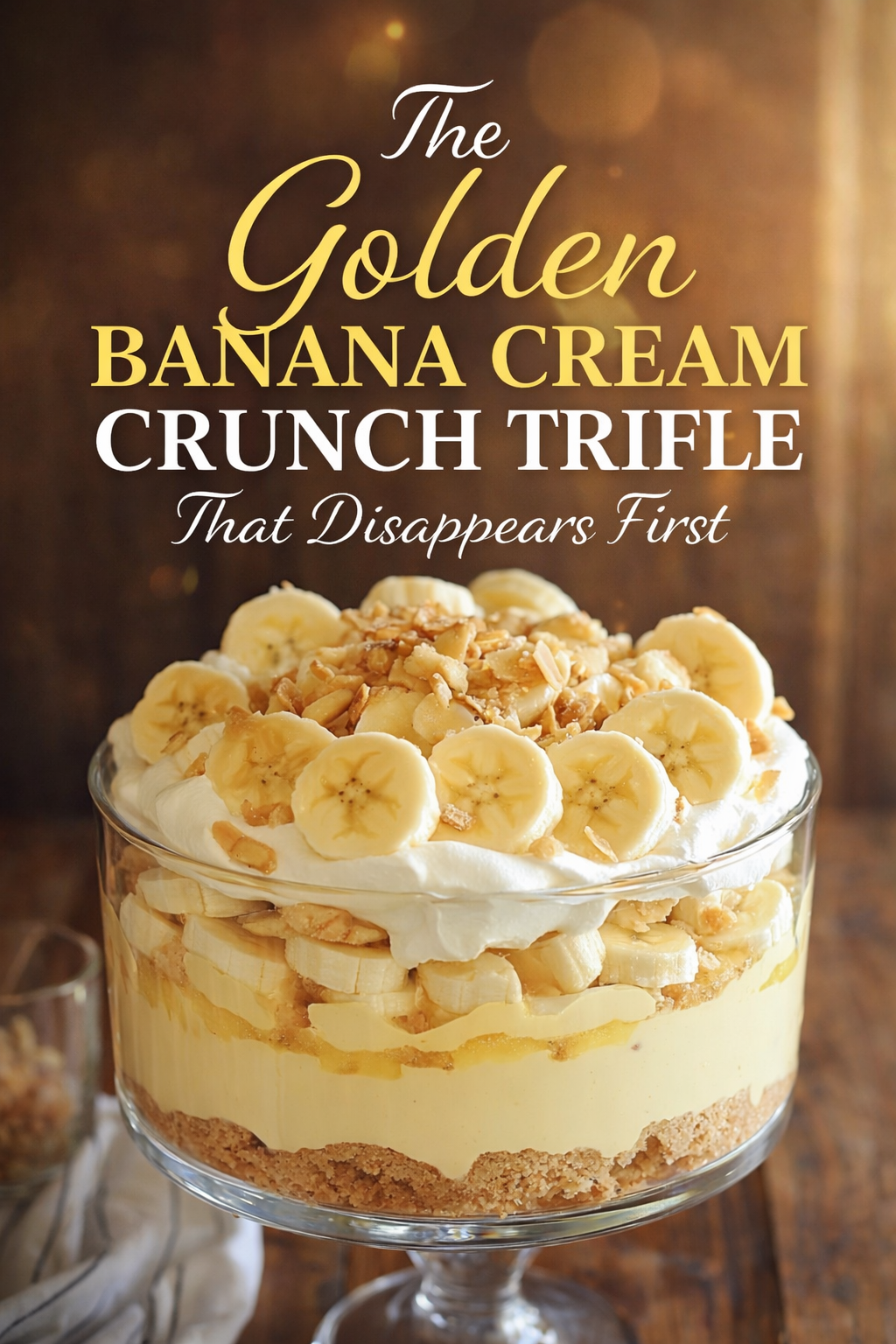
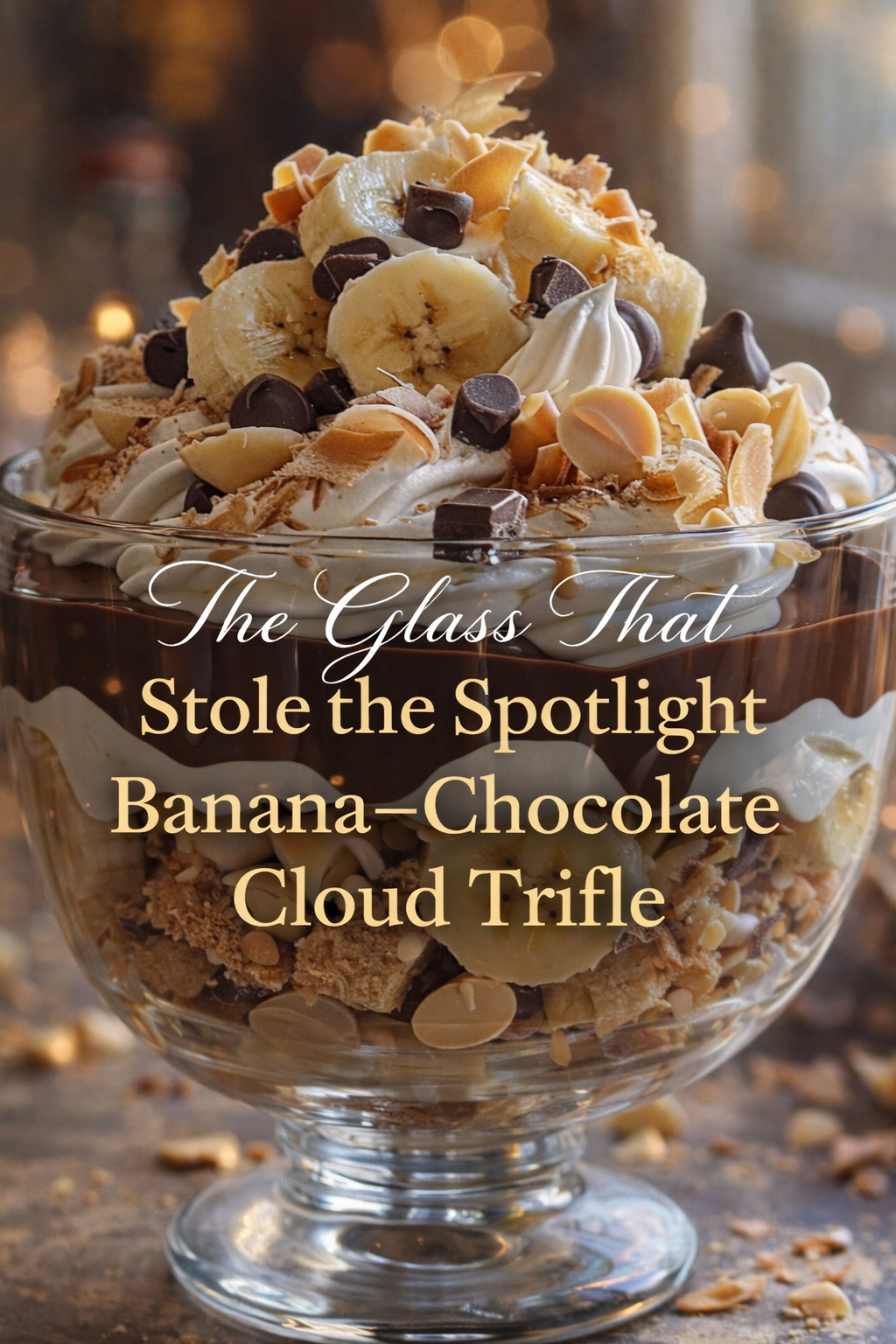
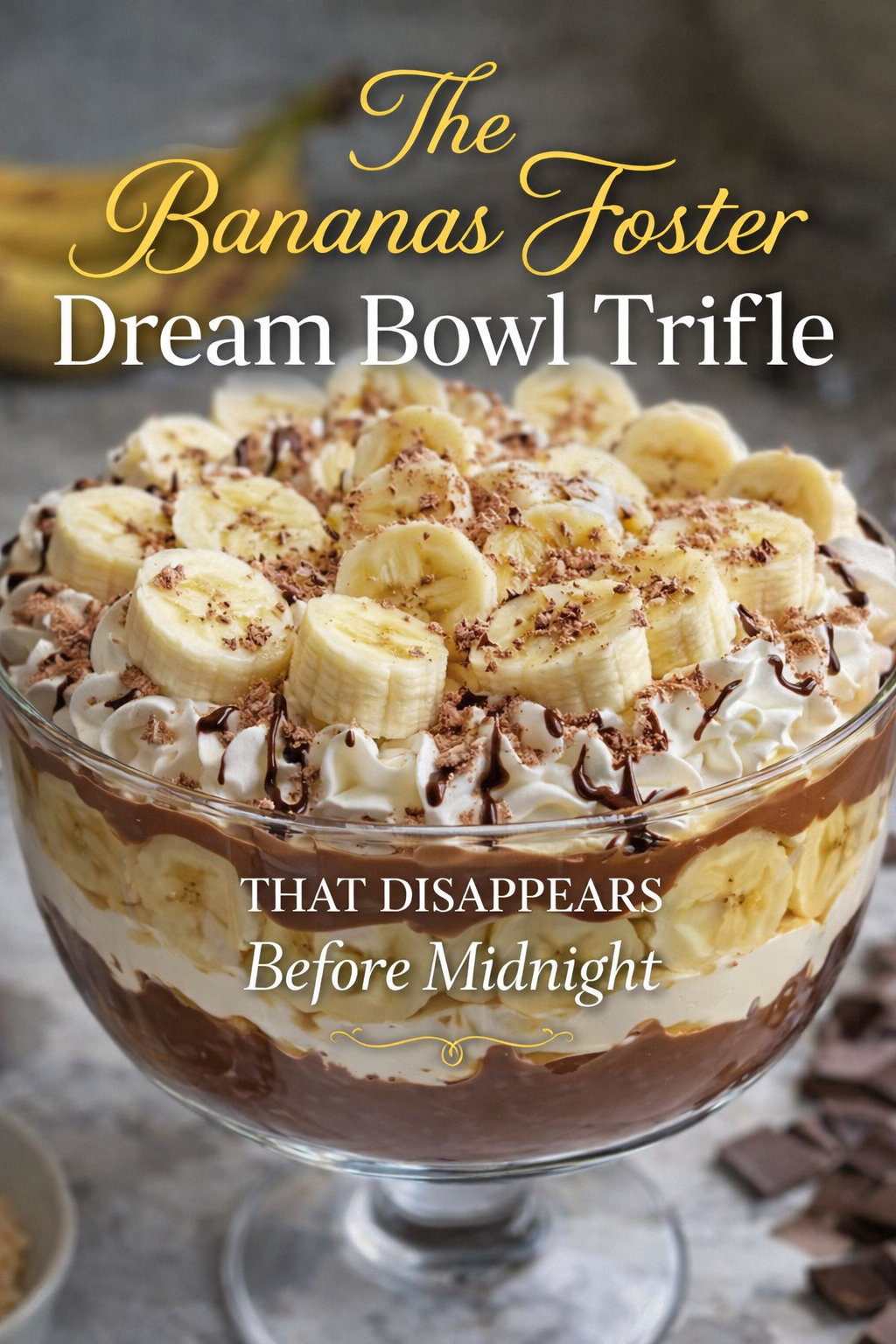
A dessert like this looks extravagant, but the real secret is rhythm: cold ingredients, intentional layers, and just enough structure so every spoonful catches fruit, cream, and chocolate together. The goal isn’t precision—it’s consistency. Once you understand what each layer is doing, you can build a trifle that looks dramatic in glass and eats like a perfectly composed bite.
Start by deciding what “cloud” means for your version. The picture reads as two creams: a rich, thicker vanilla layer (that holds the fruit in place) and a lighter whipped crown on top. That’s why the trifle looks so tall and plush—one layer supports, the other floats. For the supporting layer, cream cheese is your best friend because it adds body and keeps things from weeping. Beat it fully smooth before adding anything else; any small lumps now will become impossible to hide later. A smooth base is easier if you use a sturdy electric hand mixer for fluffy peaks, and if your cream cheese is cold, give it time to soften until it yields easily.
When you mix in pudding (or a thick vanilla yogurt), you’re building a filling that’s spoonable but stable. Pudding brings that classic, nostalgic “banana-and-cream” comfort, while yogurt adds tang and keeps sweetness in check. If the mixture seems a bit loose, chill it for 15–20 minutes before layering—cold thickens everything, and thickness is what gives you clean, visible bands in glass.
Now the whipped topping: chill matters more than people realize. Cold cream whips faster, holds better, and looks smoother. If you want those sculpted swirls that sit proudly under the fruit, whip to stiff peaks—meaning the cream stands straight when you lift the beaters. Don’t rush the last minute; that’s where cream goes from softly billowed to properly structured. For a more polished finish, transfer whipped cream to a piping bag and tip set and pipe generous swoops around the rim, then fill the center like a pillow.
Fruit prep is where the trifle either looks high-end or looks hurried. Use ripe-but-firm bananas so slices hold shape and don’t turn mushy instantly. If you’re building ahead, you can lightly coat banana slices with a tiny squeeze of citrus to slow browning, but keep it minimal so it doesn’t taste like lemonade. Strawberries should be dry before layering—water on the surface will thin your cream and cause sliding. A clean cut helps everything stack neatly; a small serrated knife for clean strawberry and banana slices gives you control without crushing the fruit.
Chocolate drizzle is your drama layer. Thick sauce clings to the sides and creates those streaks you see in the glass. If your drizzle is too stiff, warm it briefly until it pours in ribbons—never hot, just fluid. Pouring from a spout makes a big difference in control, and a microwave-safe glass measuring cup for quick warming and pouring lets you warm and drizzle from the same vessel. For those deliberate “drip lines,” you can rotate the bowl slightly as you drizzle so the chocolate catches the glass in long, elegant trails.
Now, layering strategy. If you’re adding a crumb or cookie layer, use it as a soft foundation—not a thick, dry base. A thin layer of crushed vanilla wafers, grahams, or ladyfingers adds texture and helps anchor the first fruit layer. Pressing it down lightly with the back of a spoon prevents floating crumbs later. Then add fruit, then the thick cream filling. The filling is the glue—it keeps fruit from sliding and creates that bright, framed look against glass. Use an even hand when spreading; a small offset spatula for smoothing cream makes clean layers easier and keeps the sides tidy so your stripes stay crisp.
As you build, think in “windows.” Place a few strawberry slices and banana coins directly against the glass before you add the rest of the fruit in the middle. This creates those picture-perfect cutaway views without needing to be overly meticulous. Then spoon the cream filling down the center and gently spread outward to seal the fruit in place. Drizzle chocolate along the rim and let it naturally run—gravity does the styling.
Repeat the layers until you reach the top, but don’t overfill if you want a dramatic crown. Leave space for whipped cream height. When topping, pipe swirls (or spoon big, soft curls), then pile raspberries high. Raspberries instantly communicate luxury because they look like jewelry, and their tartness keeps the whole dessert from tipping into one-note sweetness. Add a few banana slices and strawberry pieces for color contrast, then finish with a final chocolate ribbon. If you like that extra “dessert shop” detail, scatter chocolate shavings—made quickly with a bar of chocolate and a vegetable peeler, or by grabbing a chocolate shaving tool.
Chilling is optional, but it changes the experience. Serve immediately and you’ll get distinct layers—fruit pops, cream stays airy, chocolate stays glossy. Chill for 1–3 hours and the dessert becomes more unified: flavors mingle, cookies soften, and the spoon glides through like it’s cutting velvet. If you chill overnight, bananas can darken and release moisture, so for a make-ahead version, either assemble closer to serving or keep banana layers toward the center and top with fresh slices right before presenting.
Troubleshooting is simple once you know what’s happening. If layers slide, your filling was too warm or too loose—chill the filling and dry your fruit more thoroughly. If whipped cream collapses, it was under-whipped or the cream wasn’t cold; start colder and whip to true stiff peaks. If chocolate seizes or turns dull, it was overheated; warm gently and stir, aiming for pourable, not hot.
Variations are where trifles become a habit. Swap berries for cherries, add a peanut-butter swirl, fold cocoa into the filling for a mocha look, or use crushed chocolate cookies for a darker, more dramatic base. You can even lean tropical with pineapple and coconut, or go purely berry-forward with a lemony cream. The structure stays the same: a stable cream layer, fresh fruit, chocolate drama, and a cloud-like top that makes the bowl feel like an event.
And if you want the exact visual impact of the photo—tall glass, clean sides, glossy drips—choose the right serving vessel and build with intention. A clear bowl turns your layers into décor, and a large glass trifle bowl is the easiest upgrade you can make for instant, crowd-stopping presentation. Once you’ve done it once, you’ll realize the real luxury isn’t complexity—it’s contrast, texture, and the joy of making something undeniably beautiful on purpose.