Sunshine Drip Sugar Cookies Recipe With Homemade Lemon Glaze and Zest Pop Icing

The kitchen feels brighter the second a lemon gets cut. That clean snap of citrus oil in the air is like opening a window inside your day, even if the world outside is doing the most. On the counter, the scene looks simple and quietly luxurious. Soft sugar cookies sit like little pillows, warm and pale, their tops glossy with a lemon glaze that drips in slow motion. A dusting of fresh zest catches the light, tiny golden freckles promising a sharp, happy bite. It is the kind of sweetness that does not shout. It glows.
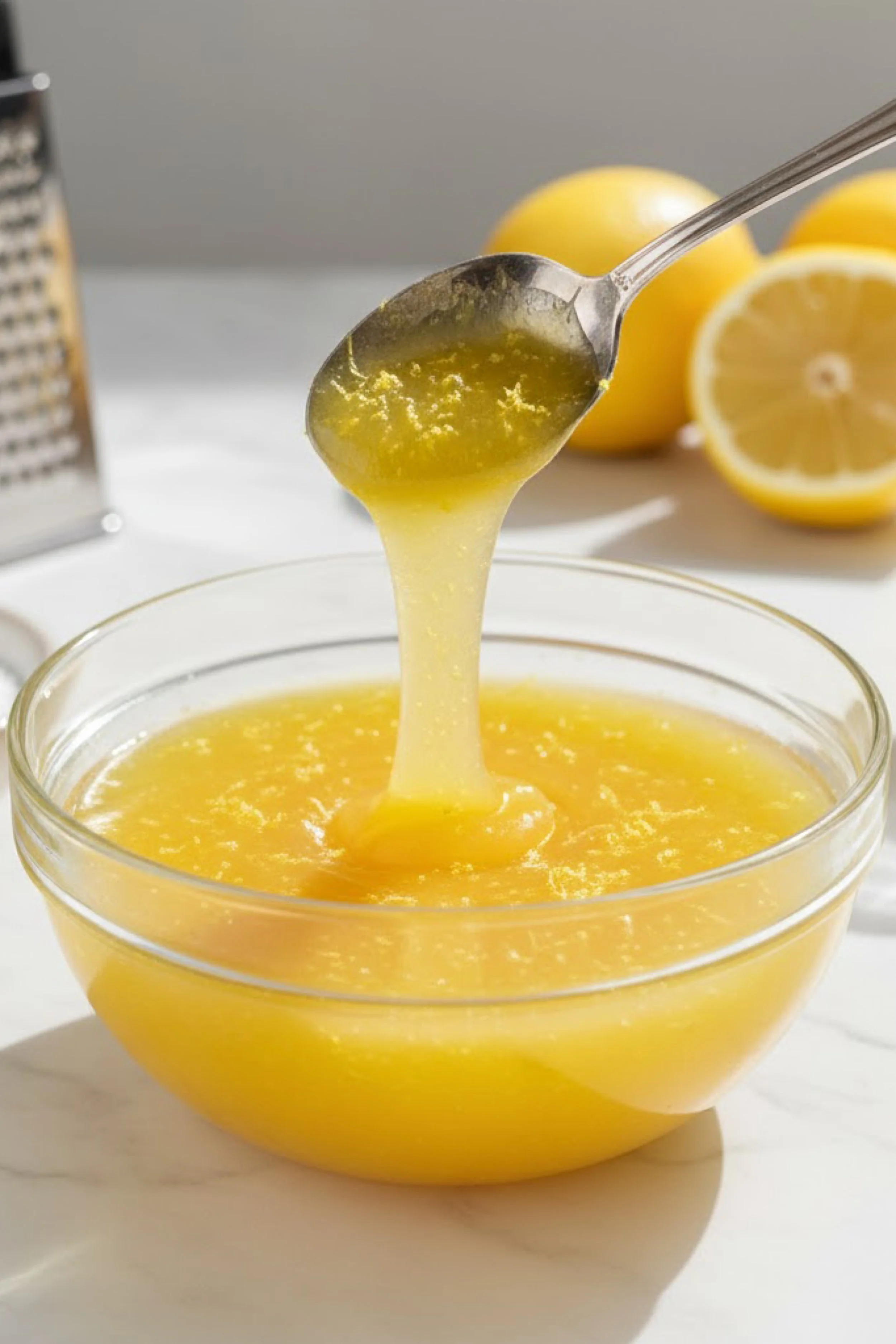
There is something oddly soothing about the moment right before glazing. Cookies cooling, steam fading, the glaze waiting in a bowl like liquid sunshine. You lift the spoon and it ribbons back into itself, thick but willing, silky with powdered sugar and brightened by real lemon. The texture is the whole point. It should settle into a smooth lacquer, then set into that delicate shell that gives way with the gentlest crack when you bite in. The zest on top is not decoration. It is perfume, it is sparkle, it is the part that makes the cookie taste like it was made on purpose.
These are the cookies you bring when you want people to remember you were there. Not because they are fussy, but because they feel finished. Like the final touch of lip gloss in the car mirror, like a candle lit for no reason other than mood. The glaze turns an everyday sugar cookie into something that belongs on a pretty platter, the kind that makes you reach for a second one before you have even swallowed the first.
The best part is how quickly this all comes together once you decide you want it. A good zest tool makes the whole experience feel effortless, the kind that turns peel into soft confetti in seconds, like a fine microplane style citrus zester. A sturdy juicer helps you get that clean, bright lemon flavor without seeds and fuss, like a simple handheld citrus juicer. And if you are the type who loves a perfect drip, a wide bowl that lets you dip and swirl with ease is a tiny upgrade that feels very chef, like clear glass mixing bowls for baking.
The cookies themselves are classic, buttery, and tender, with that soft crumb that stays plush under a glaze. You want a cookie that holds its shape but still feels delicate when you break it open. That balance comes from mixing gently and pulling them from the oven when the tops look set and the edges are barely kissed with color. A steady sheet pan setup makes that part almost automatic, especially with heavy duty baking sheets and a neat lining of parchment paper sheets for baking. The glaze, though, is where you can make it yours. More lemon for drama. A touch of vanilla for softness. A pinch of salt to sharpen everything into focus.
When you finally spoon the glaze over the cooled cookies, it runs like satin and settles into a shiny blanket. If you let the glaze set at room temperature, it becomes that perfect bakery finish. Smooth, bright, and just sticky enough to feel indulgent. The zest on top stays vivid, and every bite tastes like the cheerful part of summer, even if it is the middle of a week that needs a little saving.
These are lemon glazed sugar cookies that look like they belong in sunlight. They taste like a clean reset. They are sweet, but not sleepy. Bright, but not sour. And once you make them, you will start finding reasons to keep lemons on the counter all the time.
Homemade Lemon Glaze With Zest Pop Icing and Sugar Cookies Recipe
These soft sugar cookies are finished with a glossy lemon glaze and a shower of fresh zest for a bright, bakery style bite.
Ingredients
Sugar Cookies
- 2 and 3 4 cups all purpose flour
- 1 teaspoon baking powder
- 1 4 teaspoon baking soda
- 1 2 teaspoon fine salt
- 1 cup unsalted butter, softened
- 1 and 1 4 cups granulated sugar
- 1 large egg
- 1 large egg yolk
- 2 teaspoons vanilla extract
- 3 tablespoons sour cream or plain Greek yogurt
- Optional 1 teaspoon lemon zest for a subtle citrus cookie base
Lemon Glaze With Zest Pop
- 2 cups powdered sugar, sifted
- 3 to 5 tablespoons fresh lemon juice
- 1 teaspoon lemon zest plus extra for topping
- 1 teaspoon vanilla extract, optional
- Pinch of salt
- Optional 1 teaspoon melted butter for extra shine
Method
- Heat oven to 350 F. Line baking sheets with parchment.
- Whisk flour, baking powder, baking soda, and salt.
- Cream butter and sugar until fluffy. Mix in egg, yolk, vanilla, and sour cream. Add zest if using.
- Mix in dry ingredients just until combined. Scoop 2 tablespoon portions, roll into balls, and gently press slightly flat.
- Bake 9 to 11 minutes until tops are set and edges are barely tinted. Cool 5 minutes on the pan, then move to a rack to cool fully.
- Make glaze by whisking powdered sugar with lemon juice, zest, salt, and vanilla until glossy and thick but pourable. Adjust with more sugar or juice.
- Spoon glaze over cooled cookies. Finish with fresh zest. Let set 30 to 60 minutes before stacking.
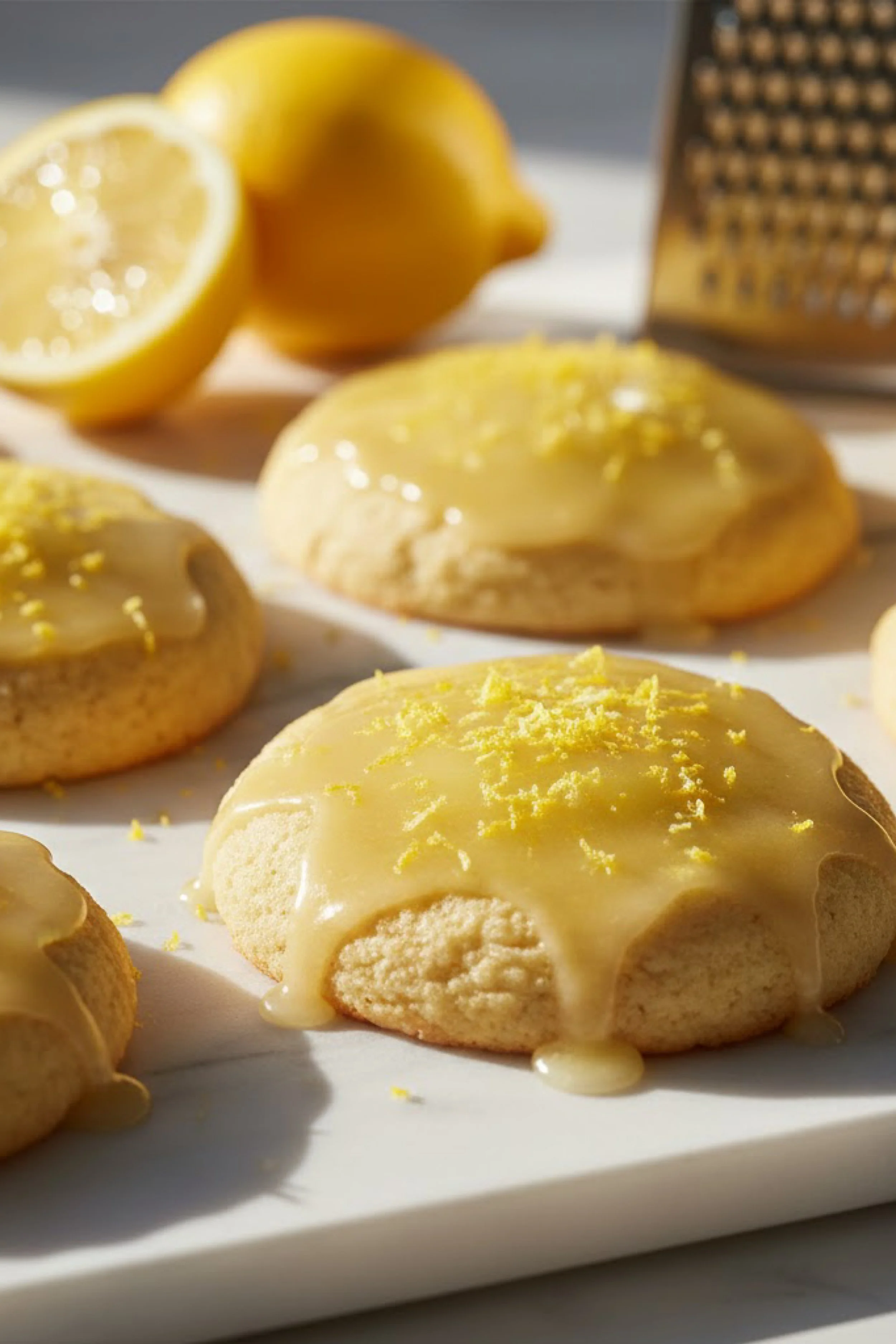
The secret to a lemon glaze that looks like a perfect drip is understanding thickness, timing, and temperature. The images capture the exact moment you want to recreate: cookies fully cooled, glaze glossy and slow, zest scattered like confetti. When those three things align, you get that bakery finish that sets smooth and stays bright.
Step 1: Start with lemons that smell like something
Before anything else, zest your lemons while they are firm. Zesting first is easier and you capture more aromatic oils. Use a sharp, fine grater so the zest is fluffy and not bitter. If you want the process to feel clean and fast, reach for a fine microplane style citrus zester. Keep the zest separate in two small piles: one for the glaze, one for topping. The topping zest stays most vivid when it is fresh.
Step 2: Mix the cookie dough gently for that plush crumb
Soft sugar cookies are all about tenderness. Creaming butter and sugar properly builds lift, but once flour goes in, stop the moment it comes together. Overmixing tightens gluten and the cookies bake up bready instead of soft. Sour cream or Greek yogurt adds moisture and gives the cookie that pillowy texture that supports glaze without collapsing.
Step 3: Shape for a smooth top
If you want a clean glaze surface, aim for cookies with a gently domed, even top. Roll the dough into balls, then press very lightly. Do not flatten like a sugar cookie cut out. You are creating a soft landing pad for the glaze to pool and drip.
Step 4: Bake until set, not browned
Pull the cookies when the tops look set and the edges are just beginning to show color. If you wait for full browning, the cookies lose that tender bite and the glaze can crack more harshly as it sets. Every oven is different, so use the look, not only the clock. A dependable pan helps with even baking, like heavy duty baking sheets, and lining with parchment paper sheets for baking prevents overbrowning on the bottoms.
Step 5: Cool completely before glazing
This is the difference between a smooth lacquer and a glaze that melts into the cookie. Warm cookies will thin the glaze on contact and you will lose the thick drip look. Move cookies to a rack so airflow cools them quickly. If you bake often, a sturdy setup like stackable cooling racks for cookies makes the workflow feel effortless.
Step 6: Build the glaze texture on purpose
A great lemon glaze is not just sugar and juice mixed randomly. Start with sifted powdered sugar for smoothness. Add lemon juice gradually and whisk until you see ribbons that disappear slowly back into the bowl. That is the texture in the second image: glossy, thick, and cohesive. Use fresh lemon juice for brightness, and a juicer keeps it clean and seed free, like a simple handheld citrus juicer. Add a pinch of salt to sharpen the flavor so it tastes like lemon, not just sweet. If you want extra shine, a tiny bit of melted butter can help, but it is optional.
Step 7: Control the drip
To get those rounded drips, use a spoon and let the glaze fall from a short height, then guide it toward the edge. The glaze should move slowly. If it runs like water, whisk in more powdered sugar. If it is too thick to spread, add lemon juice a teaspoon at a time. A wider bowl makes dipping and spooning easier, like clear glass mixing bowls for baking.
Step 8: Zest pop, the finishing move
Sprinkle the topping zest while the glaze is still wet. That is how it adheres and stays bright. If you wait until the glaze sets, the zest will fall off and you lose that fresh look. For an extra polished finish, you can also add a tiny pinch of sugar to the zest and rub it between your fingers. This releases oils and makes it smell incredible.
Step 9: Let it set properly
Room temperature setting time matters. Give the glaze at least 30 minutes, and up to an hour, to form that delicate shell. If your kitchen is humid, it may take longer. Do not refrigerate to rush it, because condensation can dull the shine.
Step 10: Variations that keep the vibe but change the mood
For a more intense lemon profile, add a little zest to the cookie dough and swap vanilla in the glaze for a touch of lemon extract. For a softer, creamier glaze, add a tablespoon of heavy cream and reduce lemon juice slightly. For a sharper bite, keep the glaze strictly lemon juice and sugar, plus salt, and go heavier on the zest topping.
Troubleshooting
If the glaze looks grain