Garlic Parmesan Lava Lobster Tails Recipe That Melt Like Butterlight
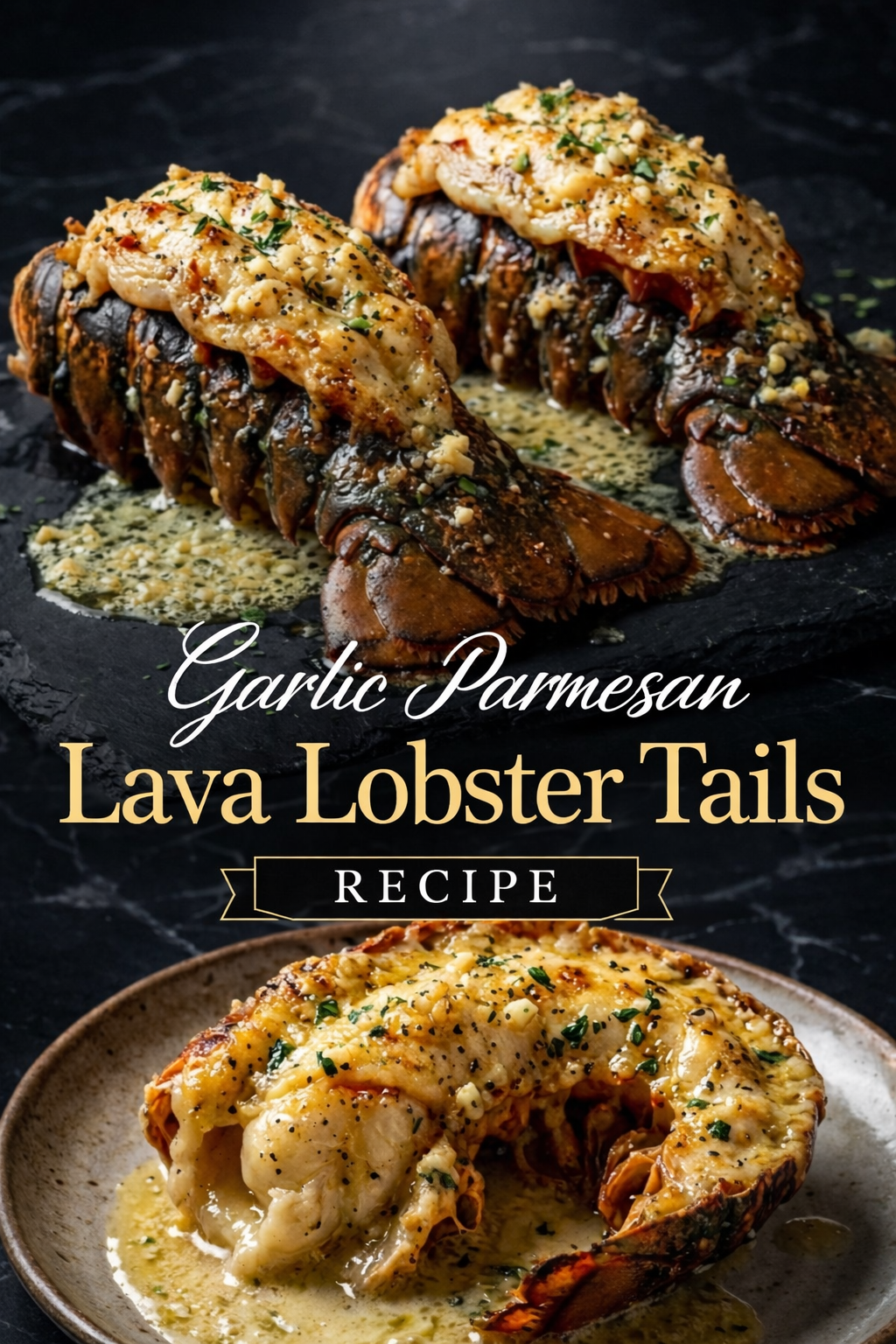
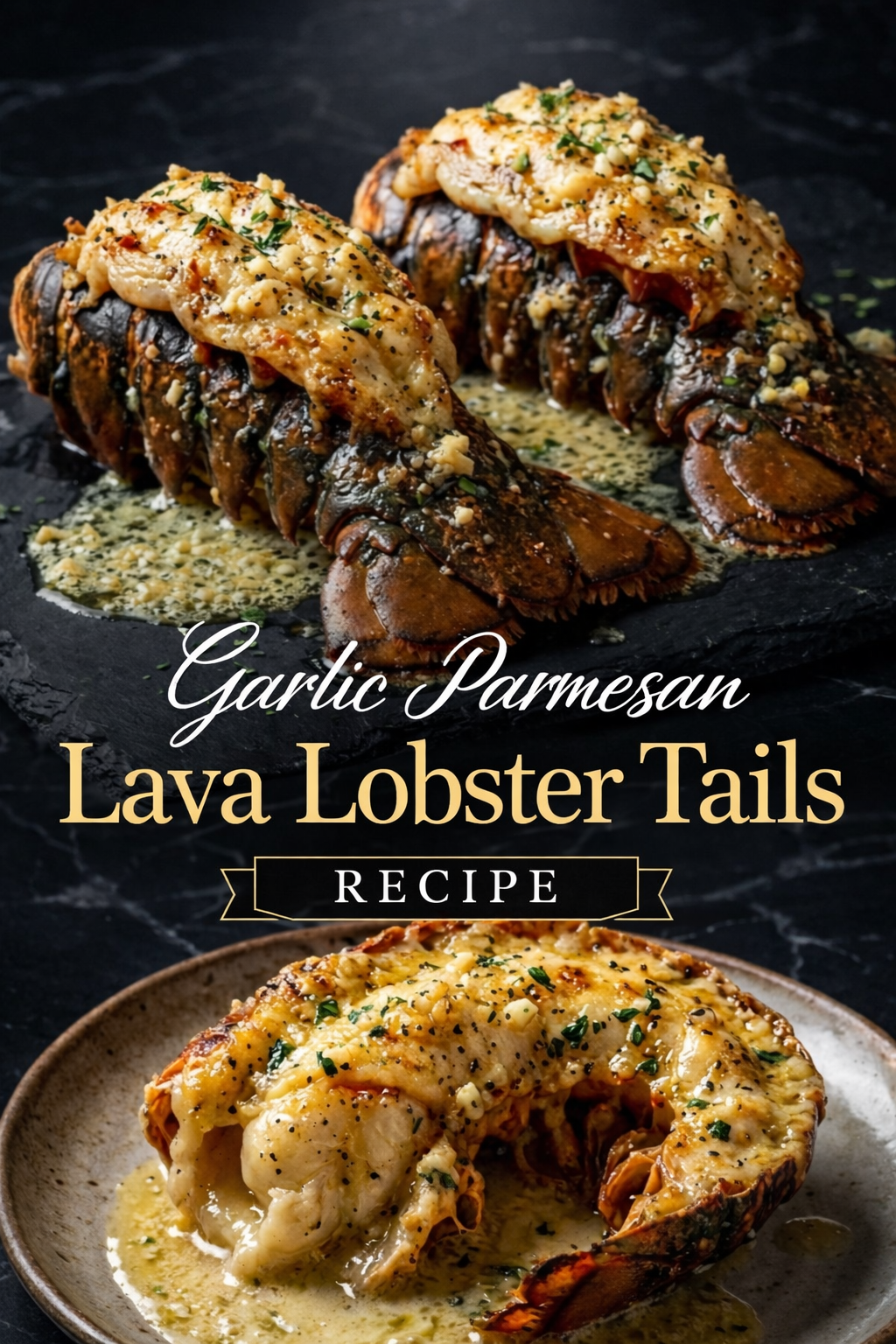
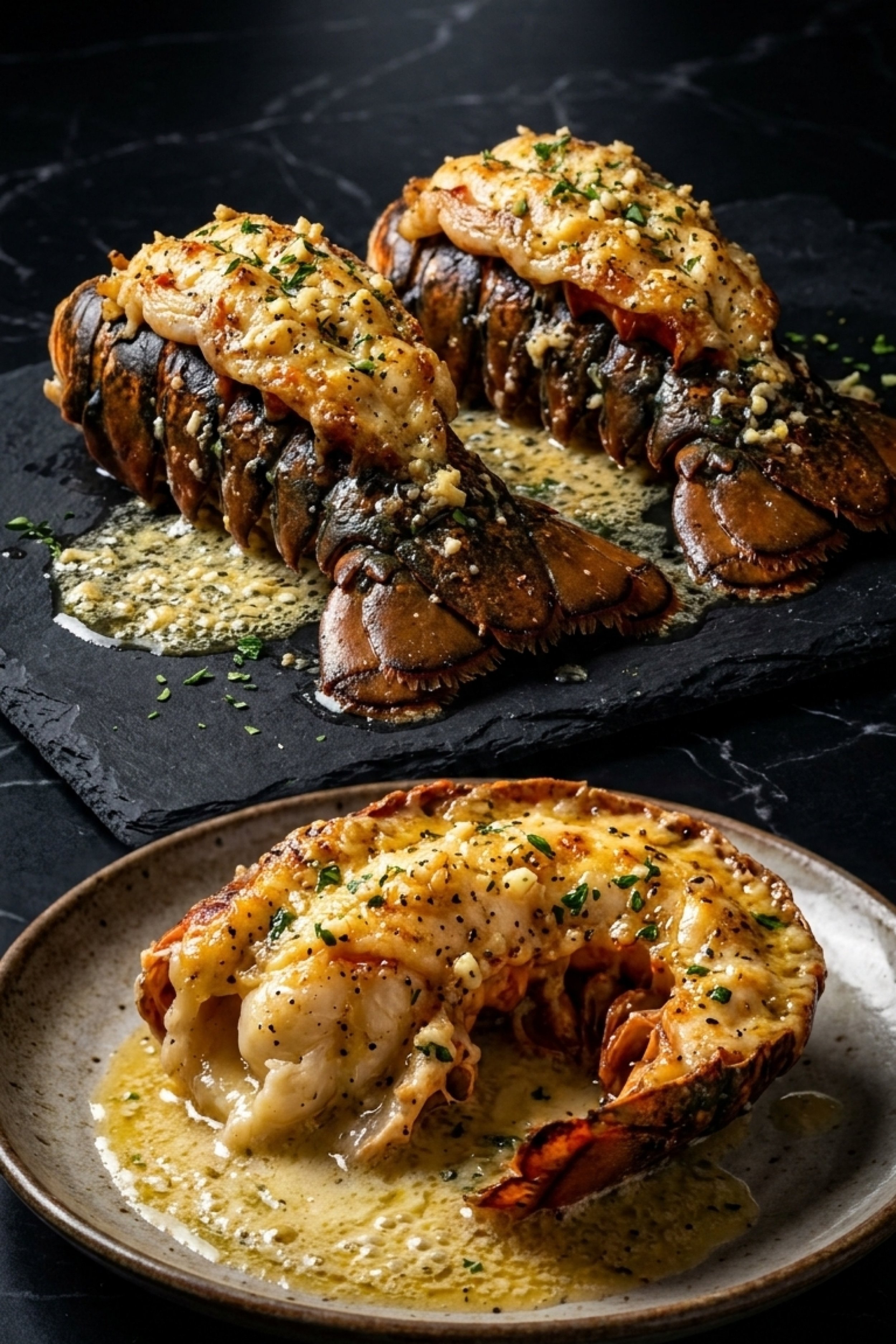
The first thing you notice is the shine. Not the glossy kind that looks staged, but the honest, buttery gleam that only happens when heat meets garlic and something rich enough to cling to every curve. Two lobster tails sit like small treasures on dark stone, their shells bronzed and dramatic, the edges kissed with that faint char that promises depth instead of bitterness. The meat is pulled up and over, thick and plush, wearing a blanket of parmesan cream that looks like it is still moving, still settling, still deciding where it wants to pool next. A scatter of herbs lands like confetti, green flecks against gold, and tiny pepper specks make the whole scene feel alive, seasoned, awake.
There is a quiet confidence to food like this. It does not plead. It does not explain itself. It just arrives with that kind of restaurant energy that makes the room feel instantly more expensive, even if you are barefoot in your kitchen and the only soundtrack is the low hum of the oven. The sauce is the headline, the kind of garlic butter that turns glossy and thick, then flips into a parmesan lava that drips slowly and refuses to let go. It is indulgent, but not chaotic. Every part of it is controlled, from the way the lobster is split and lifted to the way the final spoonful of sauce lands on top like a promise.
There is also a second scene happening in the frame, a close up tail curled in a shallow bowl, half resting, half showing off. The sauce pools around it, creamy and warm, with tiny bubbles and butter halos at the edges. That is the moment that makes you pause. Because it looks like comfort and celebration at the same time, the kind of dish that can turn an ordinary weeknight into something that feels planned, even when it was spontaneous. It has the feel of a candlelit table without needing the candles. It is the edible version of dressing up, just because.
The secret is that this style of lobster is less complicated than it looks. It is all about timing and a few smart tools that keep the process calm. A sharp pair of kitchen shears for butterflying shells makes the split clean and fast, and a sturdy rimmed baking sheet helps you roast at high heat without worrying about drips and flare ups. The sauce comes together in minutes, especially if you keep a small saucepan with a heavy bottom nearby so the butter stays silky and the garlic turns fragrant instead of sharp.
This is the kind of meal that rewards you for paying attention to details you can actually feel. Salted butter gives you structure, but a touch of lemon gives you lift, that bright flash that keeps the parmesan from leaning too heavy. A whisper of paprika warms the background without turning it smoky. Black pepper does the quiet work of making the richness feel sharper and more focused. And the finishing shower of parsley is not just pretty. It makes the plate taste fresher, greener, more awake.
If you want the full lava effect, you treat the sauce like a finishing move. Roast the tails until the meat is just opaque and springy, then spoon the parmesan garlic butter over the top while everything is still hot enough to welcome it. The heat from the lobster does half the work, melting the cheese into the butter and creating that thick, glossy cascade. A small silicone basting brush helps you paint the first layer so it clings, then you spoon the rest with intention, letting it fall into the ridges and seams where it will stay.
The best part is the way this dish makes everything around it feel easier. A simple salad feels suddenly intentional. A glass of something cold feels suddenly curated. Even a plain plate looks like it belongs in a photograph. The lobster does the talking, the sauce does the flirting, and you get to serve something that looks like a luxury without needing a dozen steps to get there.
And when the fork finally breaks into the meat, you get that soft resistance followed by a clean release, the texture that says it was cooked with care. The sauce clings to the bite, buttery and salty and aromatic, with parmesan giving it that savory depth that lingers. It is rich, yes, but it is also balanced, the garlic blooming instead of burning, the lemon keeping the finish bright. The kind of dish that makes people slow down, chew longer, and look up mid bite like they just remembered what dinner can be.
For the full experience, set yourself up like a pro before you start. Warm plates help keep the sauce glossy longer. A small instant read thermometer takes the guesswork out, so you can pull the lobster at the right moment and keep it tender. And if you love that dramatic presentation, keep a sprinkle of extra parmesan ready, the kind that melts into the top layer like a second wave of lava.
This is Garlic Parmesan Lava Lobster Tails, the kind of recipe that feels like a secret you can repeat whenever you want the room to change. No special occasion required. Just heat, butter, garlic, and a little bit of confidence.
Recipe
Garlic Parmesan Lava Lobster Tails bring restaurant level drama with a fast roast and a rich garlic butter sauce finished with parmesan so it melts and drips over every bite.
Ingredients
- 4 lobster tails, thawed if frozen, 5 to 8 ounces each
- 4 tablespoons butter
- 4 cloves garlic, finely minced
- 1 teaspoon lemon zest
- 1 tablespoon lemon juice
- 1 teaspoon paprika
- 1 4 teaspoon cayenne, optional
- 1 2 teaspoon kosher salt, plus more to taste
- 1 2 teaspoon black pepper
- 1 2 cup finely grated parmesan
- 2 tablespoons heavy cream
- 2 tablespoons chopped parsley
Instructions
- Heat oven to 425 F. Pat lobster tails dry.
- Butterfly the shells with kitchen shears, cutting down the center of the top shell. Loosen the meat and lift it to rest on top of the shell.
- Place tails on a baking sheet. Season with salt, pepper, and paprika.
- Melt butter in a small saucepan over medium low heat. Add garlic and cook 45 to 60 seconds until fragrant.
- Stir in lemon zest, lemon juice, heavy cream, and parmesan. Stir until smooth and glossy, then remove from heat.
- Spoon or brush a thin layer of sauce over each lobster tail.
- Roast 10 to 14 minutes, until the meat is opaque and just firm.
- Spoon more warm sauce over the tails to create the lava effect. Finish with parsley and extra pepper. Serve immediately with any remaining sauce.
Step by Step Guide
Start by treating the lobster like the centerpiece it is. Even before heat hits the shell, you want the tails dry and ready so they roast instead of steam. Pat them thoroughly with paper towels, especially along the exposed meat once you butterfly. Moisture is the enemy of browning and also the enemy of sauce that clings. If the tails are frozen, thaw them fully in the refrigerator overnight, or use a cold water thaw in a sealed bag. Never rush with warm water because it softens the texture and can make the meat cook unevenly.
Butterflying is the move that creates the signature look. Use sharp kitchen shears and cut straight down the top of the shell to the tail fan. Then gently pry the shell open. Slide your fingers between the meat and shell to loosen it, keeping the base attached near the tail. Lift the meat up and set it on top so it sits like a raised pillow. This does two things. It exposes more surface area for seasoning and browning, and it makes the final plating feel instantly upscale. If you want the cleanest cut, a pair of seafood kitchen shears makes the job smooth and safe.
Seasoning should be simple but intentional. Salt and pepper are non negotiable. Paprika gives warmth and color, and a tiny pinch of cayenne can add a slow glow without turning it spicy. Season the meat, not the shell. Keep the salt moderate because parmesan will add more.
Now for the lava sauce. The difference between silky and greasy is heat control. Use medium low heat and let the butter melt slowly. Add the garlic and let it bloom just until fragrant. You are not looking for brown garlic here, because browned garlic can become sharp fast and will fight the sweetness of the lobster. If you want extra depth, you can let the garlic turn barely golden at the edges, but pull it before it darkens.
Once the garlic smells sweet and savory, add lemon zest first. Zest perfumes fat beautifully and spreads aroma through the whole sauce. Then add lemon juice for brightness. Next, add a little cream. The cream is not about making it heavy. It is about smoothing the parmesan into the butter so the sauce turns glossy and cohesive. When you add the finely grated parmesan, do it off the highest heat, stirring constantly. Fine grate matters because it melts faster and avoids clumps. If you need the right texture, a microplane style grater helps you get that powdery parmesan that disappears into butter.
If the sauce looks too thick, add a tablespoon of warm cream or a splash of warm water and whisk. If it looks too thin, add a bit more parmesan and keep stirring gently. If it separates, it usually means the heat was too high or the cheese was added too fast. Pull the pan off heat, whisk in a teaspoon of cream, and it should come back together. A small silicone whisk is helpful here because it scrapes the bottom without scorching.
Before roasting, apply a first coat. Brush or spoon a thin layer of sauce over the meat. This layer is your base coat, the one that sets the flavor into the surface and helps the second wave of sauce cling dramatically later. Then roast at a high temperature, usually 425 F, so the meat cooks quickly and stays tender.
Timing depends on size. Smaller tails can be done in 10 minutes. Larger tails may take closer to 14. The best way to avoid overcooking is to look for cues. The meat should turn opaque and feel springy when pressed. If you want to be exact, aim for about 135 to 140 F in the thickest part, then let carryover heat finish it. A quick check with an instant read thermometer removes all guesswork and keeps the lobster buttery instead of chewy.
Now the lava moment. As soon as the tails come out, spoon warm sauce over the top. The heat from the lobster will melt and loosen the sauce so it drips slowly and pools beneath. If the sauce cooled too much while the tails roasted, warm it gently over low heat, stirring constantly, just until it turns glossy again. Do not boil it. Boiling can tighten the cheese and cause separation.
Finishing touches matter more than you think. Fresh chopped parsley cuts richness and makes the whole plate taste brighter. A few turns of pepper give contrast. If you love a slightly crisp top, you can add a dusting of parmesan and place the tails under the broiler for 30 to 60 seconds, watching closely. That gives a faint gratin finish while keeping the inside tender.
Variations are easy if you keep the method steady. For a deeper savor, add a teaspoon of Dijon mustard into the sauce. It will not taste mustardy, it will just make the cheese flavor pop. For a sweeter warmth, add a pinch of smoked paprika. For extra heat, add red pepper flakes. If you prefer a lighter sauce, reduce the butter slightly and increase lemon juice, then finish with a little more parsley.
Serving ideas should support, not compete. A simple roasted asparagus, a crisp salad, or a soft bread that can catch the sauce are perfect. If you want a tool that makes serving feel effortless, keep a small sauce ladle nearby so everyone can add more lava at the table.
Troubleshooting is mostly about two things, overcooking and sauce texture. If the lobster is tough, it stayed in too long. Next time pull it earlier and rely on carryover heat. If the sauce is grainy, the cheese likely overheated. Keep the heat low, use finely grated parmesan, and whisk steadily. If the sauce is too salty, add a touch more cream and lemon juice to rebalance.
When everything lands right, this dish feels like a reveal. The shells look dramatic, the meat is plush and sweet, and the garlic parmesan lava coats every bite in glossy richness that tastes like celebration. It is the kind of recipe that looks like you worked for hours, even though it is really just good timing, gentle heat, and the confidence to pour that final spoonful of sauce like you mean it.