Honey Butter Crackle Lobster Tails Recipe
Introduction
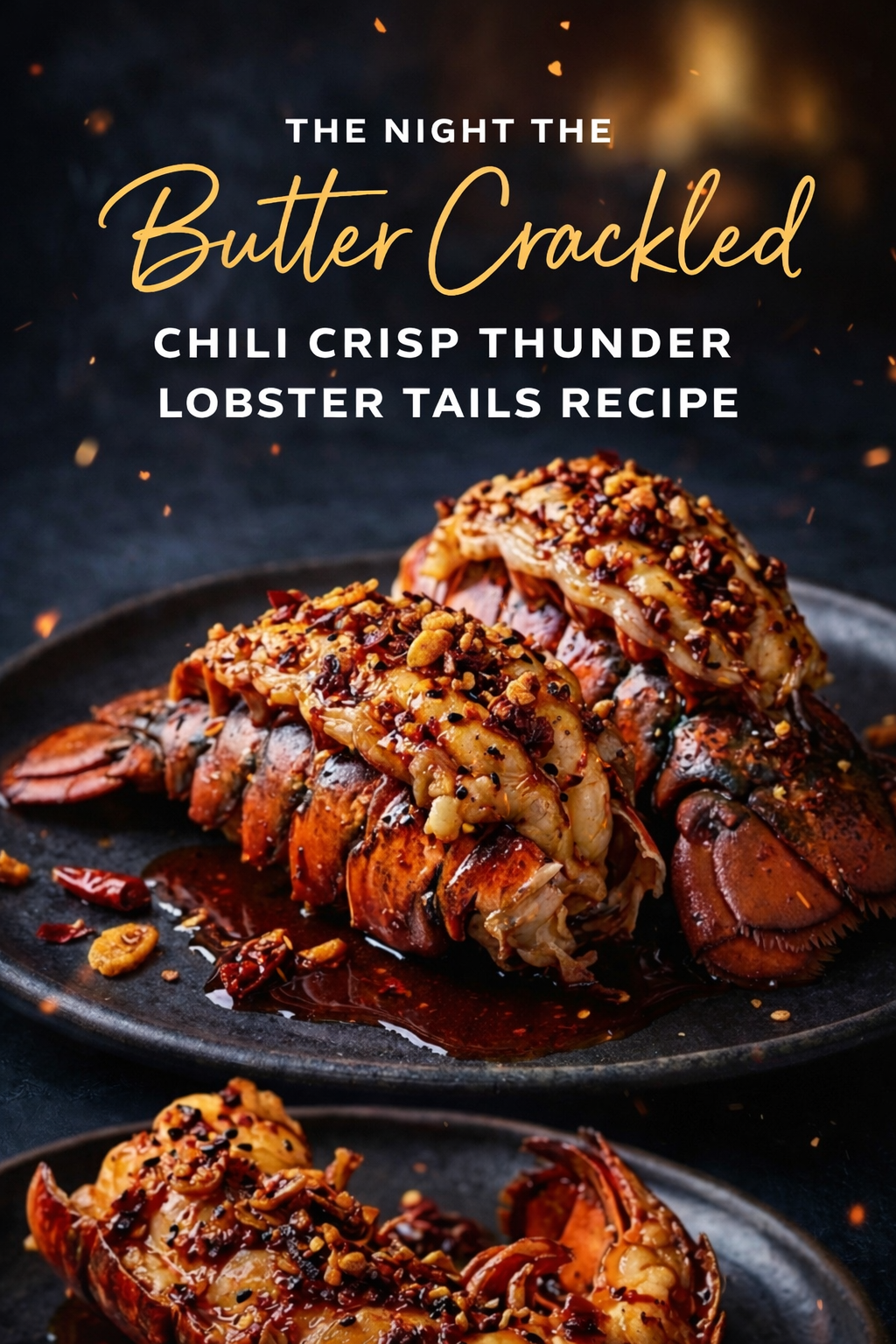
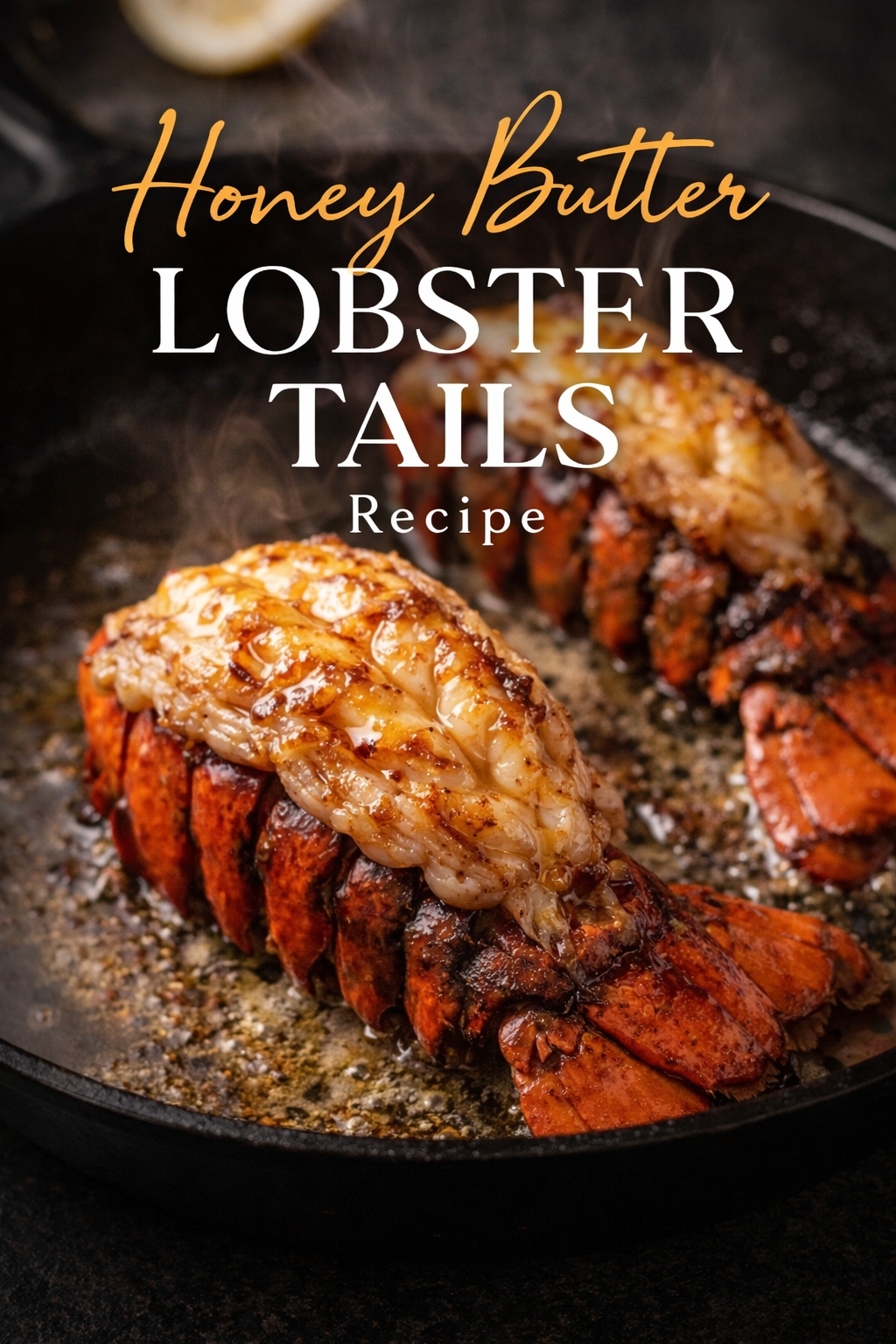
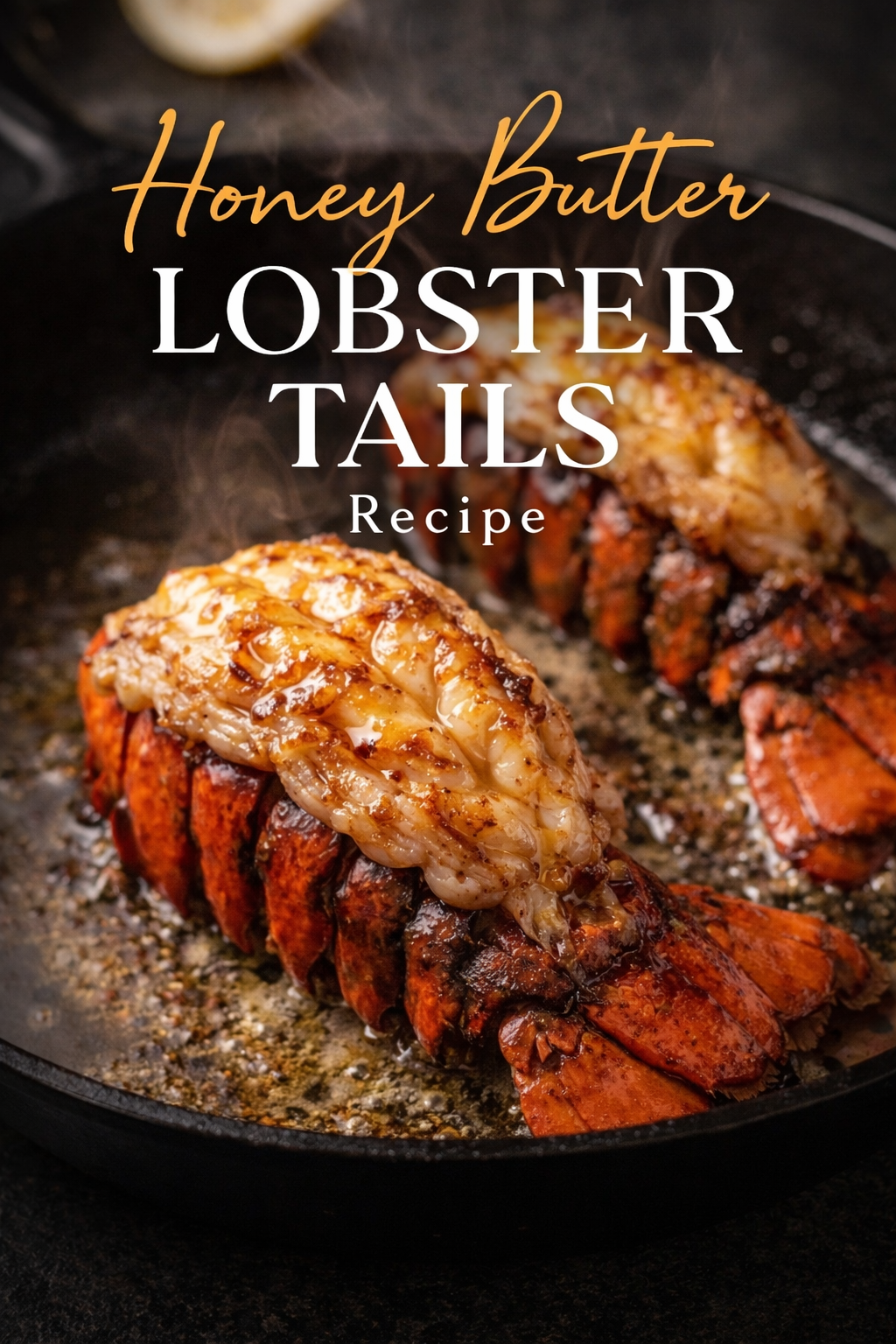
The skillet arrives with that unmistakable presence only real heat can give. Heavy cast iron, dark and glossy, holding a shallow pool of butter that has turned foamy and golden at the edges. Two lobster tails sit shell side down like they were placed with intention, their shells glowing coral and rust, their split meat lifted and fanned across the top so every curve catches the light. The glaze clings in a lacquered sheen, honey bright and butter rich, with tiny toasted freckles where the pan kissed it into crackle.
This is the kind of dinner that feels like a private celebration even if it is just a Tuesday. The air smells like browned butter and warm honey, with garlic drifting through like a low note and lemon waiting nearby like a clean, sharp ending. You can almost hear it, that quiet sizzle that says the sauce is reducing into something glossy and bold. When you tilt the pan, the glaze gathers into amber ribbons, peppered with toasted bits that taste like the best part of searing.
The look is dramatic, but the method is simple once you set yourself up for success. The whole vibe depends on control: steady heat, a pan that holds it, and a quick hand for basting. A dependable cast iron skillet gives you the even sear and the steady temperature that makes the glaze behave. A small silicone basting brush helps you paint the honey butter across the meat without tearing it, but a spoon works too if you want it classic. For the shell prep, sharp kitchen shears turn the cut into a clean line instead of a wrestling match, which matters because the presentation is half the pleasure.
Then there is the moment the glaze turns from sauce into shine. Honey hits the hot butter and becomes something deeper, like caramel without the heaviness. The lobster stays tender, plush, and sweet on its own, and the glaze adds that salty, glossy finish that makes each bite feel expensive. A squeeze from a fresh lemon brings it all back into focus, sharpening the sweetness and making the butter taste even richer. A pinch of smoked paprika gives a subtle warmth and color that looks like a restaurant trick, and a tiny bit of cayenne pepper can add a soft pulse of heat without turning it into a spice show.
If you have ever overcooked lobster, you already know the fear. It goes from luxurious to chewy in a blink. That is why a simple instant read thermometer feels like confidence in your pocket. You are not guessing. You are landing the exact tenderness you want, then pulling the pan while the glaze is still glossy and the meat is still supple. The crackle effect happens right at the edge of done, when the honey butter reduces and lightly caramelizes on the surface while you keep basting.
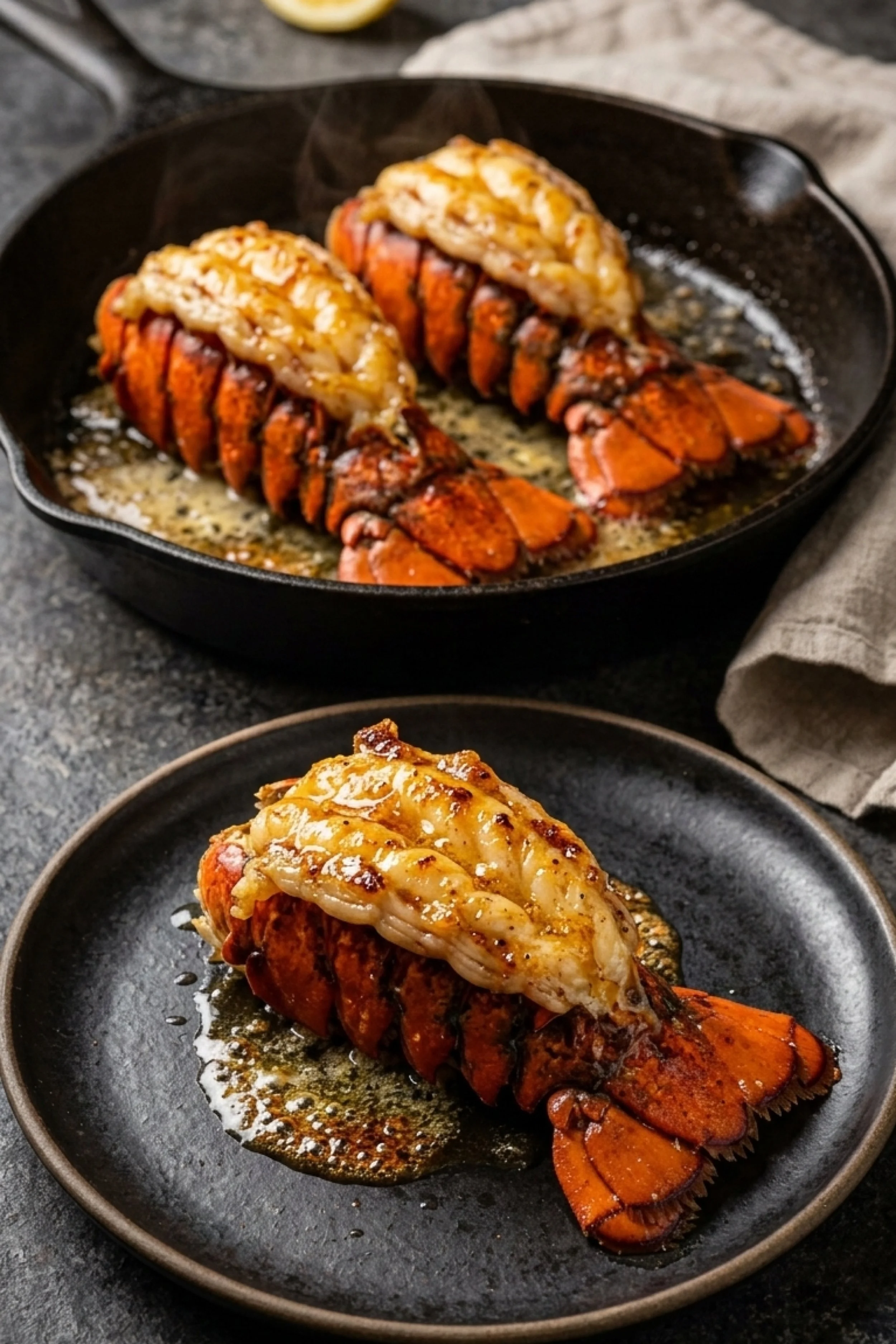
When you plate it, the matte black plate makes the lobster look even more vibrant, and the sauce pools like a little halo underneath. One fork press and the meat separates into thick segments. The glaze holds on, sweet and salty, buttery and bright, the kind of flavor that makes you pause for a second before you take the next bite because you want the moment to last.
This is not a complicated recipe, but it feels like you did something. It is the kind of meal that turns an evening into a scene, not because it is loud, but because it is precise. Heat, shine, crackle, citrus. A skillet, a spoon, and two lobster tails that taste like a splurge you did not have to overthink.
Recipe
These honey butter crackle lobster tails are seared in a hot skillet, then basted in a glossy honey butter glaze with garlic and lemon until the surface turns lightly caramelized and irresistible.
Ingredients
- 2 lobster tails, 6 to 10 ounces each
- 3 tablespoons unsalted butter
- 2 tablespoons honey
- 2 teaspoons lemon juice, plus wedges for serving
- 2 cloves garlic, finely minced
- 1 teaspoon smoked paprika
- 1 half teaspoon kosher salt, plus more to taste
- 1 quarter teaspoon black pepper
- Pinch of cayenne, optional
- 1 tablespoon neutral oil, for the skillet
- Chopped parsley or chives, optional for finishing
Instructions
- Prep the tails. Use kitchen shears to cut down the top of each shell, stopping before the tail fan. Gently lift the meat and rest it on top of the shell, keeping it attached at the base.
- Season. Pat the meat dry, then season with salt, pepper, and paprika.
- Mix the glaze. Stir honey, lemon juice, and garlic in a small bowl. Add a pinch of cayenne if using.
- Sear. Heat a cast iron skillet over medium high heat. Add oil. Place tails shell side down and cook 4 to 5 minutes until the meat is mostly opaque around the edges.
- Butter baste. Reduce heat to medium. Add butter. Once foaming, spoon butter over the meat for 1 minute.
- Glaze and finish. Pour in the honey mixture. Keep basting and spooning sauce over the meat for 2 to 4 minutes, until the lobster reaches 135 to 140 degrees and the glaze looks glossy with lightly crackled edges.
- Rest and serve. Rest 2 minutes, then serve with lemon wedges and a spoonful of pan sauce. Finish with herbs if desired.
Step by Step Guide
Begin with the shell cut because it is the difference between lobster that feels fussy and lobster that feels effortless. Use sharp kitchen shears and cut straight down the center of the top shell, stopping before the tail fan. Keep the cut clean and centered. Then slide your fingers between shell and meat, gently loosening the meat without tearing it. Lift and pull the meat upward, then rest it on top of the shell. This creates that classic elevated look and exposes the surface so the glaze can cling and caramelize.
Next, dry the meat thoroughly. This step is not optional. Moisture prevents browning, and browning is what makes the honey butter turn into crackle instead of staying thin and slick. Pat the surface until it looks matte. Season simply and evenly. Salt and pepper give structure. Smoked paprika adds warmth and color without stealing the spotlight. If you want a little pulse of heat, a pinch of cayenne is enough.
Heat control is where this recipe wins. Use a cast iron skillet if you have one, because it holds a steady temperature and gives you consistent searing. Bring it to medium high heat and add a thin layer of neutral oil. Place the tails shell side down. This protects the meat from direct pan contact at first and lets the heat rise through the shell, gently cooking from below while the exposed meat begins to turn opaque around the edges.
Watch the color change. As the outer rim of the meat turns from translucent to milky white, you are building the foundation for tenderness. At this stage you are not trying to fully cook the lobster. You are setting up the finish. After 4 to 5 minutes, lower the heat to medium and add butter. It will foam quickly. That foaming is your cue that the water content is evaporating and the butter is moving toward browned territory, which is where the flavor gets deep and nutty.
Now start basting. Tilt the pan slightly and spoon the foaming butter over the meat repeatedly. A large cooking spoon works perfectly, and a silicone basting brush is great if you want to paint the butter into every crevice. This basting step does two things. It cooks the exposed top gently and evenly, and it creates a buttery surface that will grab the honey glaze instead of letting it slide off.
When the top looks mostly opaque, add the honey mixture. Pour it in slowly. Honey changes fast under heat, going from bright gold to deep amber in moments. As soon as it hits the hot butter, start basting again, spooning the sauce over the meat in glossy layers. The glaze should thicken as it reduces. If it seems too thin, give it another minute of gentle bubbling while you keep basting. If it starts to darken too quickly, lower the heat and keep moving the sauce.
Do not guess doneness. Lobster gets chewy if it overshoots. A simple instant read thermometer lets you pull the tails at the sweet spot. Aim for 135 to 140 degrees at the thickest part of the meat. The temperature will rise slightly during the rest. If you prefer a firmer bite, you can take it a few degrees higher, but staying in that range keeps it plush.
For the crackle finish, focus on the last minute. Keep spooning the glaze over the top and let the surface catch tiny caramelized freckles. You want light crackle, not a hard candy layer. If you love extra caramelization, a quick pass with a small kitchen torch can add a restaurant style kiss, but it is optional. The skillet alone can create the effect if the glaze is reduced enough.
Rest the lobster for two minutes before serving. This short pause helps the juices settle and keeps the meat from leaking out on the plate. Spoon the remaining honey butter sauce over the top and finish with a squeeze of lemon. The acidity is what makes the butter taste cleaner and the honey taste brighter. If you want a fresh edge, sprinkle chopped herbs. Serve immediately while the glaze is still glossy and warm.
Variations are easy once you understand the core. Swap lemon juice for a little orange juice for a softer citrus tone. Add a pinch of crushed red pepper for more heat. Stir a touch of Dijon into the honey mixture for a subtle tang. If you do not have lobster tails, this same honey butter crackle approach works beautifully on shrimp, scallops, or thick white fish, just adjust cook time.
Troubleshooting is simple. If the glaze is separating, the heat is too high, so lower it and keep basting until it comes back together. If the lobster looks dry, it cooked too long, so next time pull earlier and rely on carryover heat. If the glaze will not thicken, you likely added it before the butter was foaming, so give the pan a minute longer before adding the honey mixture.
Follow the rhythm and it becomes almost effortless: prep, sear, butter, glaze, baste, pull. The result is lobster that looks dramatic, tastes sweet and salty and rich, and finishes with that glossy crackle that makes the whole skillet feel like a celebration.