The Sunlit Crackle of Lemon Pepper Sizzle Lobster Tails Recipe

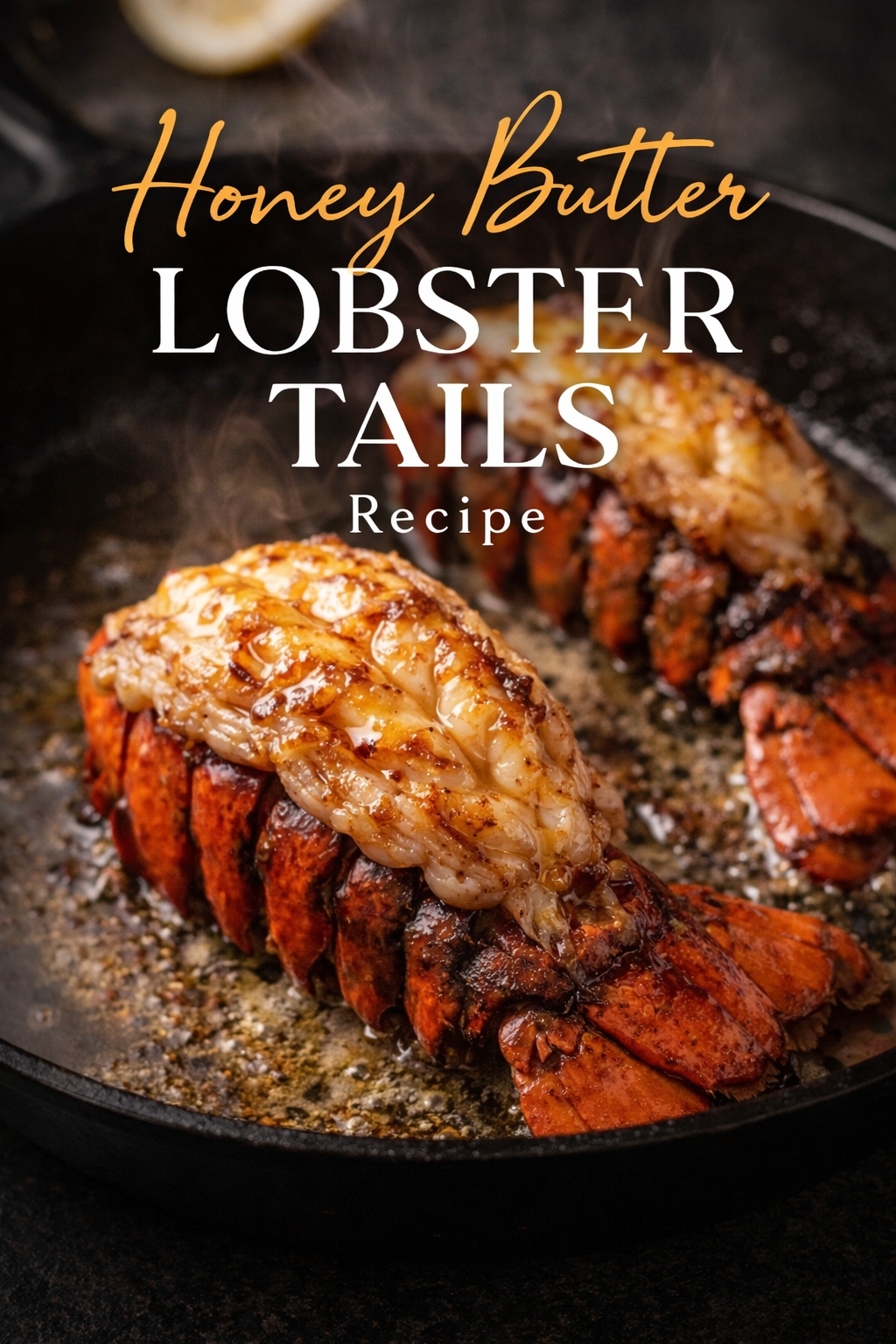
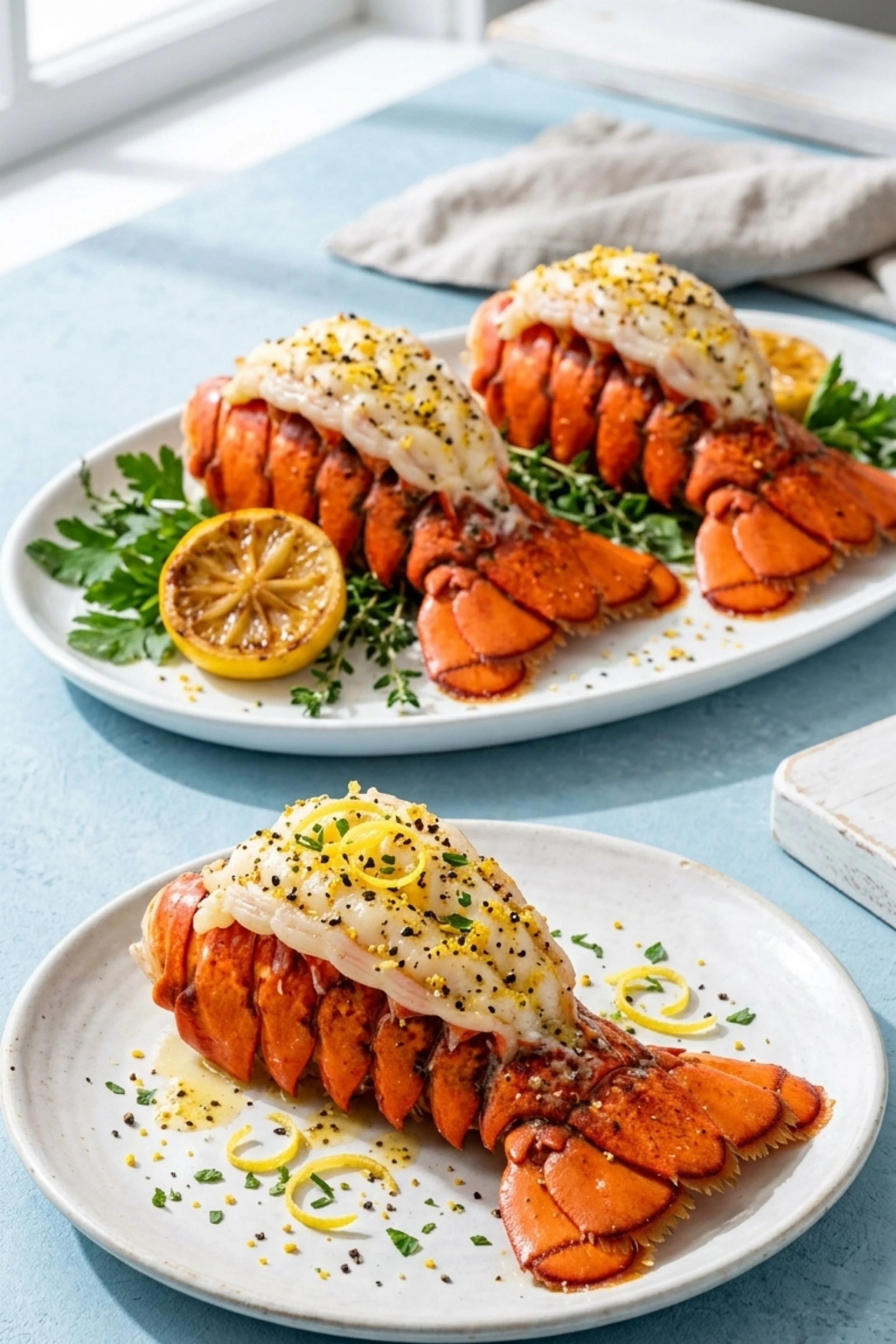
A plate like this makes the room feel brighter before the first bite even happens. Lobster tails arrive split open like little jeweled shells, the meat lifted and fanned across the top so it catches the light on every curve. The surface looks glossy and warm, lacquered with butter that has melted into the natural sweetness, then finished with a scatter of lemon pepper that reads like confetti. Thin curls of lemon peel sit on the plate like tiny ribbons, and there is that unmistakable citrus lift hovering in the air, clean and sharp, promising contrast against the richness. Even the pepper feels elegant here, not heavy or harsh, more like a soft crackle that wakes everything up.
The scene has the calm confidence of a coastal lunch that somehow still feels special enough for a celebration. Pale stoneware, cool blue tabletop, a halved lemon with its cut face glistening, herbs tucked underneath like green linen. It is the kind of food that looks expensive but also approachable, because the flavors are familiar. Butter. Lemon. Pepper. A little salt. A little heat. And then the lobster, naturally dramatic, naturally luxurious, but not demanding anything complicated from the cook beyond attention and timing.
That is the secret to making lobster tails feel effortless: set yourself up so the actual cooking becomes a small, focused moment. The right prep tools make that possible, especially a sturdy pair of kitchen shears for splitting shells cleanly and a microplane style zester for bright lemon perfume. When the shell opens neatly and the meat lifts without tearing, everything that follows feels smoother. You are not wrestling the food. You are styling it, guiding it, letting it show off.
Lemon pepper can be a quiet supporting actor or the headline, depending on what you choose. Some blends lean more citrusy, some lean more black pepper forward, and some carry a little garlic in the background. If you want that unmistakable restaurant finish, keep a high quality lemon pepper seasoning within reach, then layer it with fresh zest so the aroma feels alive instead of dusty. A touch of smoked paprika makes the color glow and hints at a flame kissed vibe even if you are using a broiler. A sprinkle of flaky salt at the very end gives the bite that soft crunch that makes butter taste even more luxurious.
The cooking method here is built for drama without stress. High heat, short time. Lobster tails cook quickly, and that is exactly why they work for a weeknight flex and for a dinner party centerpiece. The goal is meat that turns opaque and tender, not tight and rubbery. That is where a fast instant read thermometer becomes a quiet confidence booster. You are not guessing. You are checking. You pull them the moment they hit that sweet spot, and suddenly lobster feels as reliable as roasting chicken.
Butter does most of the heavy lifting, so make it taste like something. Melt it, then give it personality with zest, lemon juice, garlic, and a pinch of spice. Brush it on, let it sizzle, brush again right when the tails come out so the heat melts the second layer into a glossy finish. The plate tells you what is happening: little pools of golden butter collecting under the shell, pepper freckles across the surface, lemon ribbons melting slightly from the warmth. It is sensual food in the most classic, crowd pleasing way.
This is also a recipe that invites the rest of the table to join in. A bright salad, warm bread, a pile of roasted asparagus, or even a simple bowl of rice becomes the perfect backdrop for lobster’s spotlight moment. If you want the full steakhouse energy, serve with a small dish of extra lemon butter for dipping and a final squeeze of fresh citrus at the table. A small saucepan for quick butter infusions makes that easy, and a basting brush for buttery gloss keeps everything neat and intentional.
And then there is the sound, the part nobody mentions until they hear it. The first hit of heat when butter meets hot pan. The faint crackle of pepper. The tiny hiss as citrus oils bloom. Cooking lobster tails this way feels like a short performance with a perfect ending. The plate lands looking like a postcard from somewhere sun drenched, even if the day outside is ordinary. Lemon Pepper Sizzle Lobster Tails bring that kind of energy, bright and bold, luxurious but not fussy, the kind of meal that makes a simple table feel like a destination.
Recipe
Lemon Pepper Sizzle Lobster Tails are split, butter brushed, and cooked quickly under high heat for tender, juicy meat with bright citrus and a peppery finish.
Ingredients
- 4 lobster tails, 4 to 6 oz each
- 6 tbsp unsalted butter, melted
- 1 tbsp fresh lemon zest, plus extra for garnish
- 2 tbsp fresh lemon juice
- 2 tsp lemon pepper seasoning, plus more to taste
- 1 tsp garlic powder (or 2 cloves garlic, finely grated)
- 1 tsp smoked paprika (optional, for color and warmth)
- 1 tbsp chopped parsley
- Salt, as needed
- Lemon halves, for serving
Instructions
- Heat the oven broiler to high and position a rack about 6 inches from the heat source.
- Using kitchen shears, cut the top of each lobster shell down the center, stopping at the tail fan. Gently loosen the meat, lift it to sit on top of the shell, and keep it attached at the base.
- Place tails on a baking sheet. Pat the meat dry.
- Stir melted butter with lemon zest, lemon juice, lemon pepper seasoning, garlic powder, and paprika.
- Brush a generous layer over the lobster meat. Sprinkle lightly with extra lemon pepper if desired.
- Broil 6 to 10 minutes, depending on size, until the meat is opaque and reaches 135 to 140°F in the thickest part when checked with an instant read thermometer.
- Remove from heat, brush with a final touch of lemon butter, and rest 2 minutes. Garnish with parsley and extra zest. Serve with lemon halves.
Step by Step Guide
Start with the lobster tails themselves. Size matters here because cook time moves fast. Tails in the 4 to 6 ounce range give you the best balance of tenderness and timing. Larger tails are still fantastic, but they benefit from a slightly lower heat approach after the initial broil so the outside does not overcook while the center catches up. If the tails are frozen, thaw them slowly in the refrigerator overnight. For a quicker method, place them in a sealed bag and submerge in cold water, changing the water every 20 to 30 minutes until fully thawed. Avoid warm water because it can start cooking the edges before you even begin.
Next comes the split, which is where the whole “restaurant look” is born. Use heavy duty kitchen shears to cut straight down the center of the shell. You want to cut the shell, not the meat. Once the top is open, slide your fingers between the meat and the shell to loosen it. Lift the meat up and out so it sits on top, still attached at the base near the tail. This step is not just pretty, it also cooks more evenly because the meat is exposed to heat and butter instead of steaming inside a closed shell.
Dry the surface of the lobster meat with a paper towel. That small detail makes a big difference. Moisture on the surface dilutes the butter and slows browning, while a dry surface lets the butter cling and sizzle. Place the tails on a baking sheet or broiler safe pan. If you want easier cleanup, use foil underneath, but keep the tails stable so they do not tip and spill the butter away from the meat.
Now build the flavor. Melt butter gently so it stays sweet and clean tasting, not browned or scorched. Stir in lemon zest first, because the heat helps the citrus oils bloom instantly. A microplane style zester is perfect for this because it creates fine, aromatic zest without bitter pith. Add lemon juice for brightness, then lemon pepper seasoning for that signature crackle. If your lemon pepper blend is salt heavy, hold back on extra salt until the end. Add garlic, either powder for convenience or finely grated fresh garlic for a sharper, fresher edge. A pinch of smoked paprika is optional but highly recommended if you want that glowing color and a subtle warmth that makes the citrus feel even brighter.
Brush the butter over the lobster generously. Do not be shy. Lobster meat is lean, and butter is what makes it feel plush and luxurious. A silicone basting brush helps you get into the curves without tearing the meat. The butter should pool slightly in the shell below, which becomes your built in dipping sauce by the time the tails are finished.
Broiling is the fastest way to get that sizzle effect. Place the pan under a high broiler with the rack about 6 inches from the heat. The exact time depends on size, but the key is to watch for visual cues and verify with temperature. The lobster should turn opaque, white, and slightly firm, but still look juicy. Overcooked lobster becomes tight and rubbery, so a fast instant read thermometer is your best friend. Aim for 135 to 140°F in the thickest part. The temperature will climb slightly as it rests. If you prefer a more conservative finish, pull at 130 to 135°F and let carryover heat finish the job.
Halfway through broiling, quickly pull the pan out and brush on a second light coat of butter. This creates layers of flavor and keeps the surface glossy instead of dry. It also helps the lemon pepper stick evenly across the meat. If you like a more pronounced pepper bite, add a pinch more lemon pepper at this stage rather than at the beginning so it stays fragrant.
When the tails are done, remove them and brush one last whisper of lemon butter on top. This final coat is the secret to that freshly dressed shine you see on the plate. Let them rest for about two minutes. Resting is not about cooling, it is about letting the juices settle so the first cut stays succulent.
For serving, keep it clean and bright. Scatter chopped parsley for color. Add a few extra curls of zest for aroma. Serve with lemon halves for a final squeeze at the table. That fresh citrus hit right before eating makes the butter taste even richer and keeps the whole dish from feeling heavy.
Variations are easy and fun. If you want a little heat, add a pinch of cayenne or crushed red pepper to the butter. If you want a more herbaceous vibe, stir in chopped thyme or chives at the end, off heat, so the herbs stay vivid. If you love garlic, add a small spoon of roasted garlic paste to the butter and reduce the lemon pepper slightly to keep the flavors balanced.
If you do not have a broiler, a hot oven works too. Bake at 425°F until the lobster is nearly done, then finish with a quick high heat blast if you can. Another option is grilling. Split the tails the same way, brush with butter, and grill meat side up over medium heat until opaque, then finish with a quick flip shell side down for a light char kiss. Grilling makes lemon pepper feel especially bold and summery.
Troubleshooting is mostly about timing. If the lobster looks cooked on top but feels underdone in the center, it may be too close to the broiler or the tails are unusually thick. Move the rack down one level and continue for a minute or two. If the surface seems to dry out, you need more butter, or you waited too long between brushing. Keep the butter warm in a small saucepan so you can brush quickly without fuss. If the lobster turns rubbery, it simply went past the sweet spot. Next time, rely on temperature earlier, and pull sooner.
The final result should feel like a bright, buttery wave with a peppery sparkle. Lemon Pepper Sizzle Lobster Tails are all about contrast: rich butter against sharp citrus, tender meat against the tiny crackle of seasoning, and a plate that looks like a celebration even on an ordinary day.