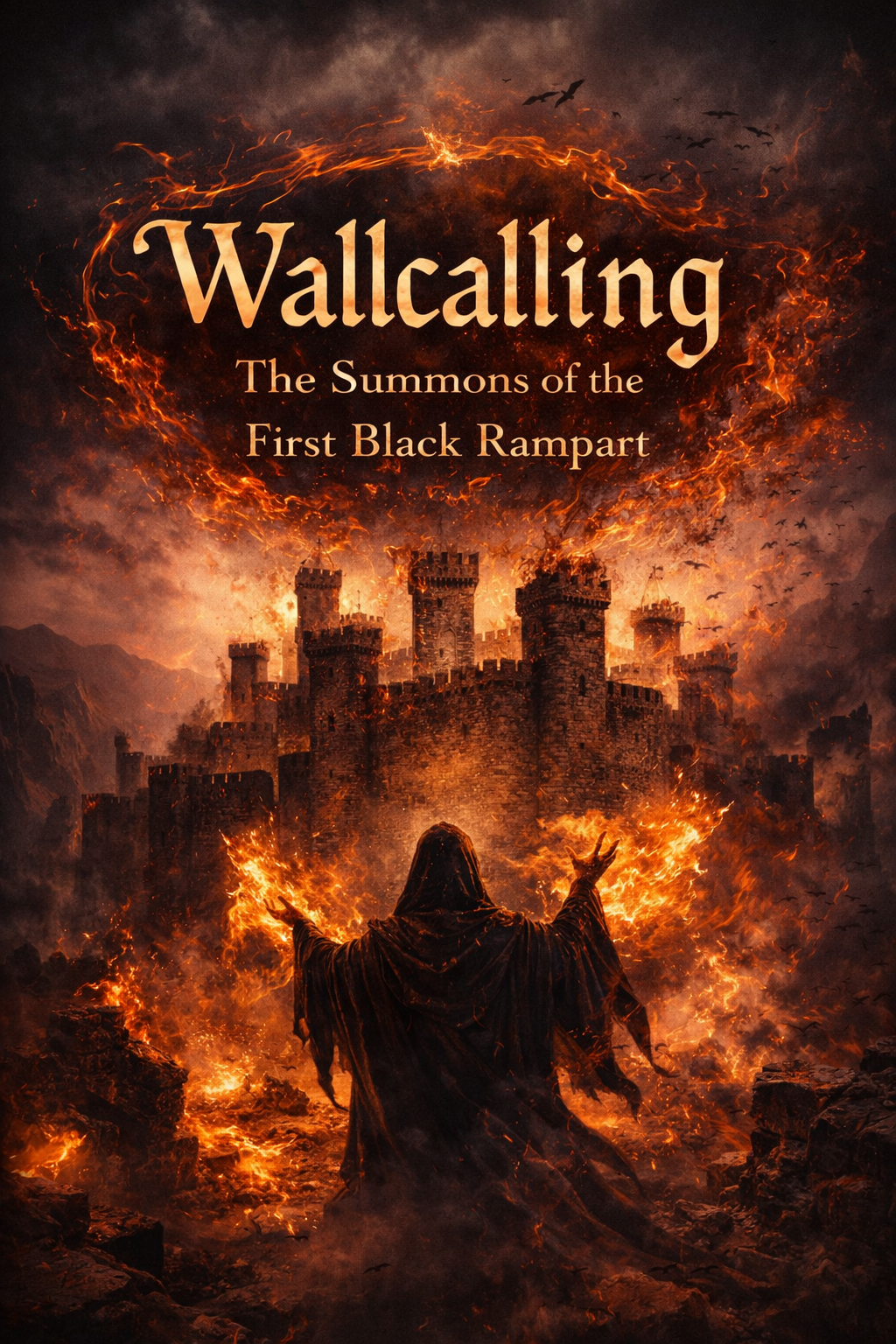
Wallcalling: The Summons of the First Black Rampart
Opening Lore
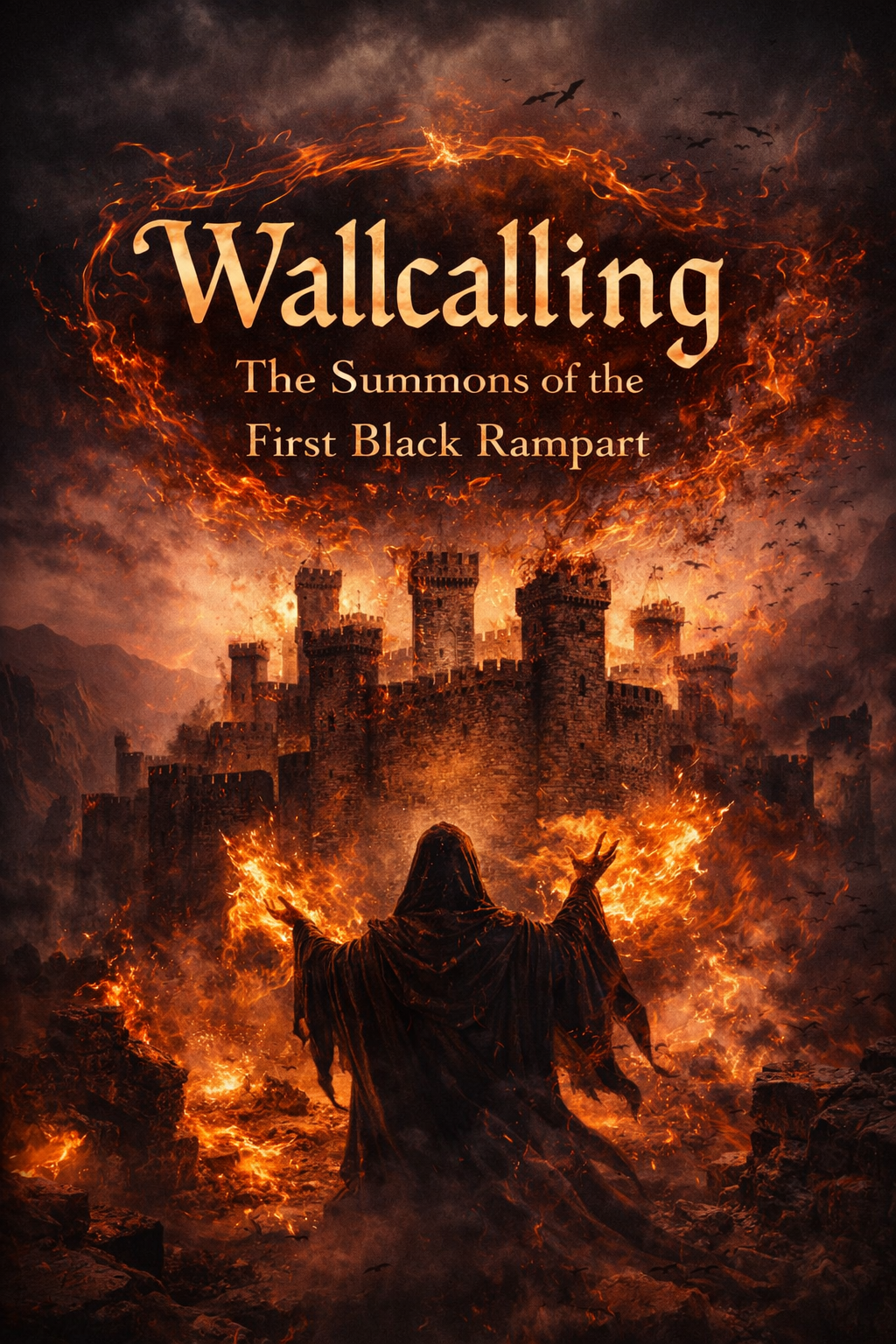
Among the oldest fortress workings ever whispered through the storm halls of ruined keeps, Wallcalling is feared as the spell that teaches a boundary to rise and remember itself. It is not a charm of ornament, nor a conjuring of empty grandeur. It is the grave and sovereign labor by which a domain first declares, in stone and silence, where the outer world ends and the will of the castle begins.
The old builders of the basalt courts claimed that no true stronghold was born when its towers pierced the clouds. A stronghold was born the instant its perimeter stood against distance, weather, trespass, and time. Before banners, before gates, before hearth fires took breath in the inner chambers, there came the long measured line of the wall. Wallcalling is that first command made visible. It is the summoning of an edge, a promise, a refusal.
Legend says the spell was first set into practice by the night masons of a cliffbound citadel whose foundations vanished into sea fog. They studied the patience of escarpments, the burden of winter, the pressure of roots, the stagger of battlements across slopes and ridges. From them came the doctrine that a defensive wall must not merely stand. It must answer terrain, command approach, and deepen in authority with every rising course of stone. A weak wall is only piled material. A true wall is a sentence spoken to the land in a voice too old to be argued with.
Thus Wallcalling matters because it transforms scattered effort into defended order. It traces the intended boundary, sets the mass of masonry, and stages its elevation so the line grows with discipline rather than haste. It does not simply create a barrier. It gives the future castle its first stern expression. Every court, tower, gatehouse, and keep will someday read itself against the grammar established here.
Arcane Theory
Wallcalling is governed by the fictional principle of burdened memory, the belief that worked stone can be persuaded to remember position when weight, measure, and intention are joined in perfect sequence. The force behind the spell is not flame, lightning, spirit, or prayer. It is a darker and rarer architecture of obedience. The materials answer because they are arranged into inevitability.
The spell responds most strongly to quarried stone, lime toned mortar, mason’s line, chalk dust, plumb weights, and measured intervals marked by human hands. In the tradition of the black castle schools, each of these objects is symbolic rather than sacred. The line represents decree. The chalk represents the temporary thought before permanence. The plumb weight represents truth descending without negotiation. The stone represents consequence. Mortar represents oath. Together they create a theater in which matter is persuaded to hold rank.
Why it works, in the old lore, is because a perimeter is a repeated decision. Every mark, every lift, every layered course affirms the original command. The wall rises only when the sequence is honored. If the builder reaches for height before alignment, the spell grows brittle. If mass is gathered without proper staging, the wall becomes mute and will not bind to the ground of the imagined fortress. Wallcalling therefore rewards discipline and punishes vanity.
It is rare because few have patience for an art whose magnificence emerges by increments. Many crave towers, yet the old doctrine warns that height without perimeter is only exposure wearing a crown. It is costly because the spell consumes time, labor, measured stone, and unwavering attention. It is dangerous because once the wall has learned its line, it resists correction. To miscall the perimeter is to teach the entire future stronghold a flawed argument. Later gates will sit wrong. Future towers will distrust their footing. Even the shadow cast by moonrise may fall where it should not. In castle lore, nothing is more expensive than a wall that remembered the wrong command.
How to Perform the Spell
Set the working on open ground where the future perimeter can be walked in full. The ideal setting is a windswept field, a ridge above dark woodland, or a cleared rise where the boundary may be seen from several angles. The earth should feel stern underfoot, and the horizon should remain visible long enough for judgment. Wallcalling dislikes cramped beginnings.
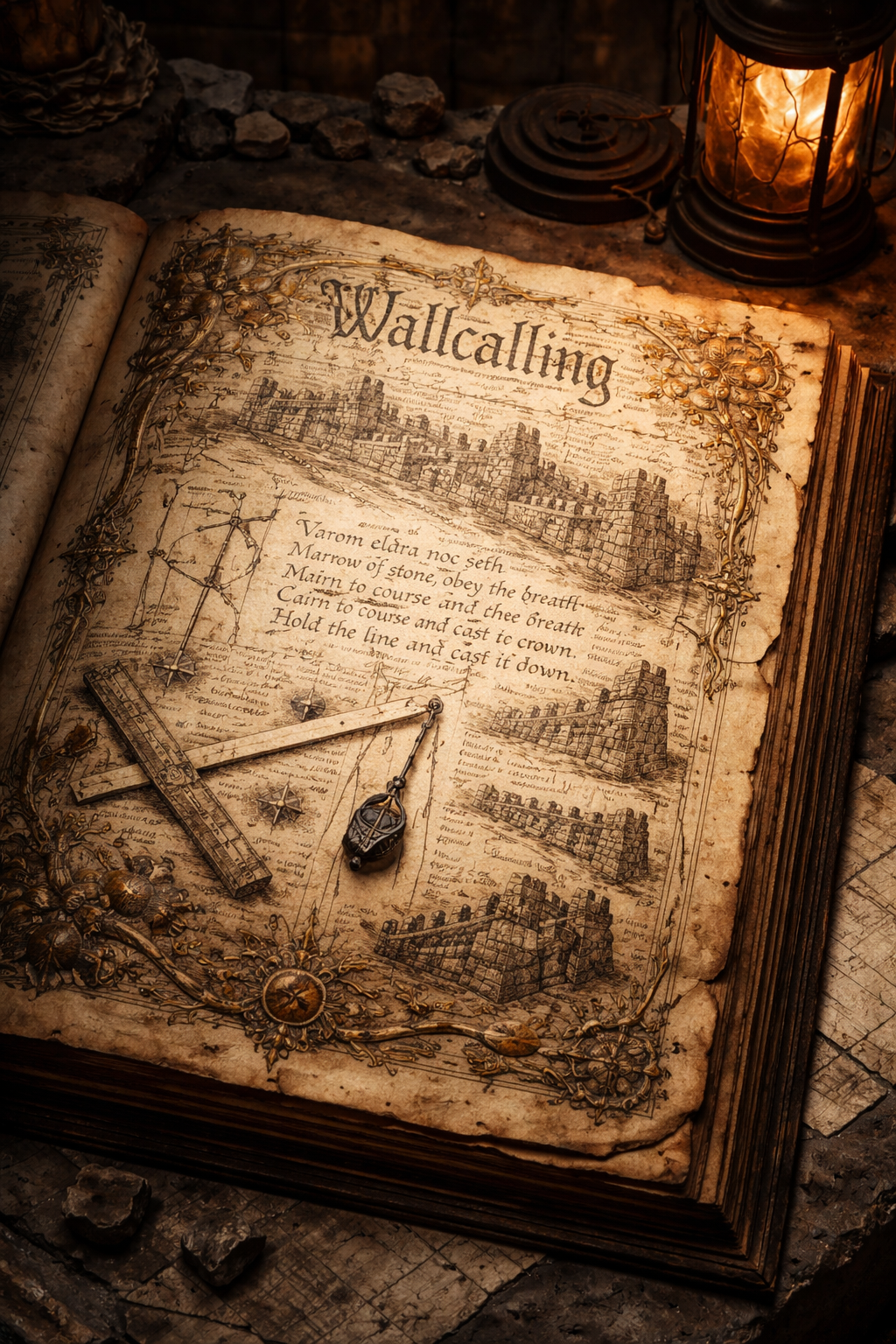
Arrange the symbolic tools upon a stone table or timber board at the head of the intended line. You will need a coil of black mason’s cord, chalk white as bone ash, a square, a plumb weight, a builder’s rod marked in equal divisions, a lantern with amber light, a bowl of clean sand, a tray of small stones, a trowel, and a vessel of pale mortar or plaster for theatrical use. None of these objects hold real power. They serve the pageantry of the spell and teach the eye how the boundary is imagined into form.
The conditions must be precise. The air should be still or nearly still. The light should be dusk, overcast afternoon, or moonlit blue. There must be enough room to pace the full line without interruption. If possible, let four candles or lanterns stand at imagined corners so the perimeter already exists in suggestion before the first mark is laid.
Begin by casting the bowl of sand lightly along the intended path. This is called feeding the line to the earth. Walk the full boundary with the builder’s rod and place chalk marks at measured intervals, each mark a promise of future mass. Stretch the black cord between the first two points and hold it taut until it hums with tension. At each corner, set a small stone. At each future turn, press the plumb weight against the ground and let it settle. These actions symbolize that the wall is being taught both direction and gravity.
Next, kneel at the starting point and draw a narrow chalk band where the footing of the imagined wall shall lie. Place the tray stones one by one along this band, not touching, but near enough that the eye can foresee the courses rising above them. Lift the trowel and sweep it through the air as though spreading mortar between invisible blocks. With each motion, speak the invented chant:
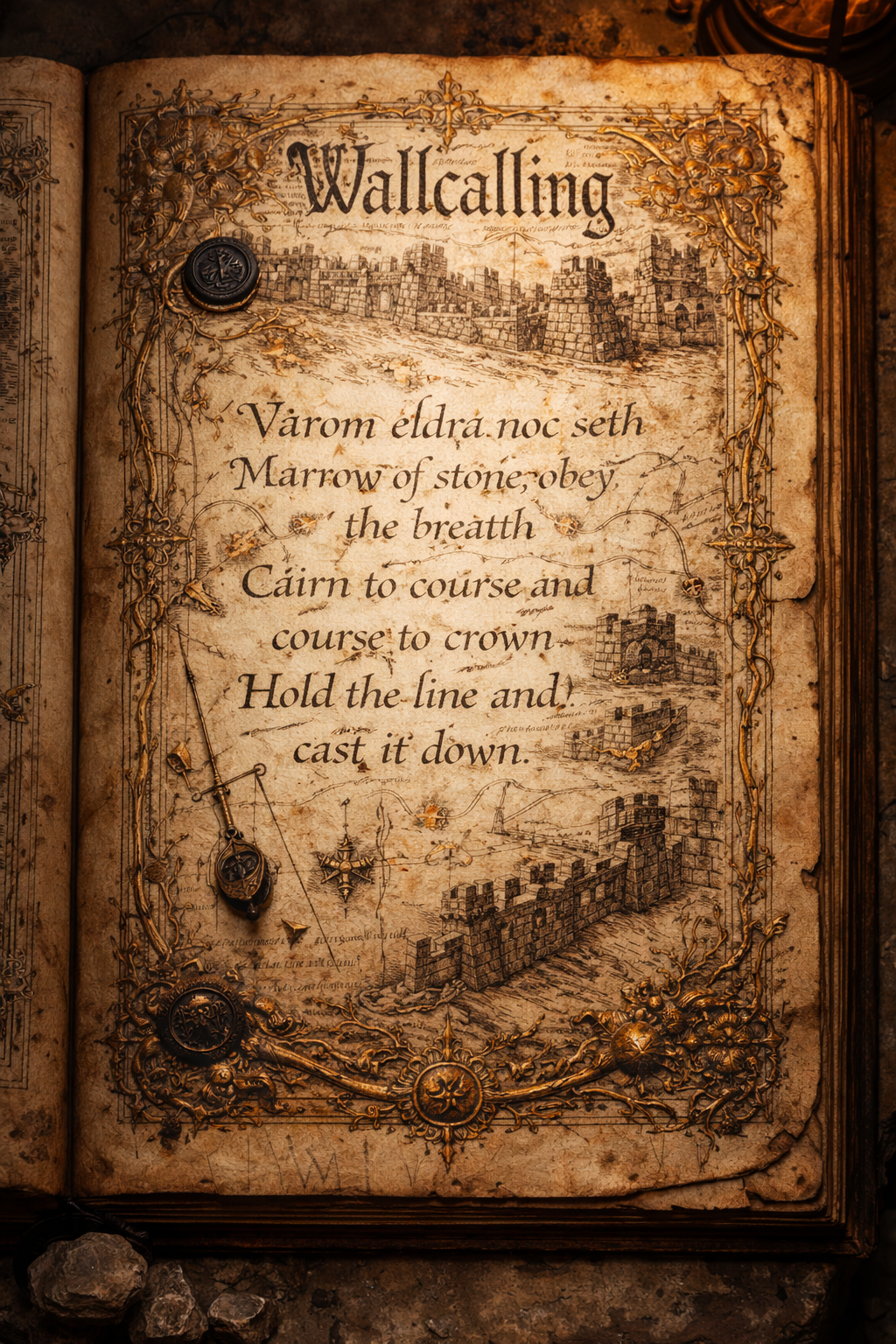
“Varom eldra noc seth
Marrow of stone, obey the breadth
Cairn to course and course to crown
Hold the line and cast it down.”
Repeat the chant at each measured interval, then again at every corner, more softly, as if confiding in the ground. After the line is fully marked, begin the staged elevation. Stack three small stones at the first segment, then four at the next, then five at the next, so the imagined wall appears to gain command in deliberate ranks. This staged rise represents the progression of masonry from base mass to defended height. Move along the perimeter until every section has received its symbolic increase.
When the spell takes visible effect in the imagination of the rite, the boundary seems to sharpen. Shadows collect along the chalked run. The lantern light appears to strike invisible faces. One may feel as though a mute black rampart already stands where only marks and stones lie. The old texts describe the sensation as standing outside one’s own future.
The cost of Wallcalling is severity of mind. For a night, the caster becomes unable to think in curves, softness, or ease. Every room, path, and conversation feels measured against defense. In story, this is the toll the wall exacts for teaching its builder the language of fortification.
Shop the Spell
black grimoire journal
A weathered journal suits Wallcalling because this spell begins with measured intent before any stone is raised. It gives the working a place for perimeter sketches, wall heights, gate notes, and stern marginalia.
antique brass compass and measuring set
This evokes the discipline of layout and boundary work. It feels like the proper instrument for tracing lines that will someday become battlements and defended courts.
mason line string and line level kit
Nothing stages the idea of Wallcalling better than taut line and precise alignment. It gives the ritual a grounded visual language of measured construction.
medieval style lantern decor
Amber lantern light turns an ordinary setup into a fortress rite at dusk. It helps define corners, cast long shadows, and make the imagined wall feel present.
parchment paper writing set
Perfect for drafting wall plans, corner marks, and old builder notes. The texture suggests an archive of forbidden architectural workings from a castle library.
wax seal kit with black wax beads
Wallcalling is a spell of decree, and sealed notes feel right for that atmosphere. Use it to finish diagrams or label fictional phases of elevation like a royal works order.
stone texture tabletop decor pieces
These help stage the sense of masonry mass even on a writing desk or ritual table. They echo the weight and surface character the spell is trying to summon.
old iron key prop set
A perimeter wall always implies future gates, locks, and guarded entries. Antique key props give the whole scene the feeling of a defended estate not yet fully revealed.
Style It With
black taper LED candles
These lend Wallcalling a cold ceremonial glow without distracting from the severity of the layout. Their dark silhouette suits the mood of fortress architecture at dusk.
gothic book stand
A carved stand turns your grimoire or notes into a proper command text. It gives the spell a lectern worthy presence, as though read in a stone planning chamber.
hourglass with black sand
This fits the slow authority of staged elevation and measured labor. It reminds the scene that walls are not wishes, but time made visible.
faux stone table runner
Ideal for turning a plain tabletop into a believable mason’s planning surface. It helps every object on the table feel more architectural and severe.
dark hooded robe costume
Wallcalling deserves a silhouette of command. A dark robe lends the rite the editorial grandeur of a solitary master builder summoning the first rampart.
castle wall miniature decor
Small rampart props are perfect for desk styling and photography. They reinforce the visual story of perimeter, defense, and rising courses of stone.