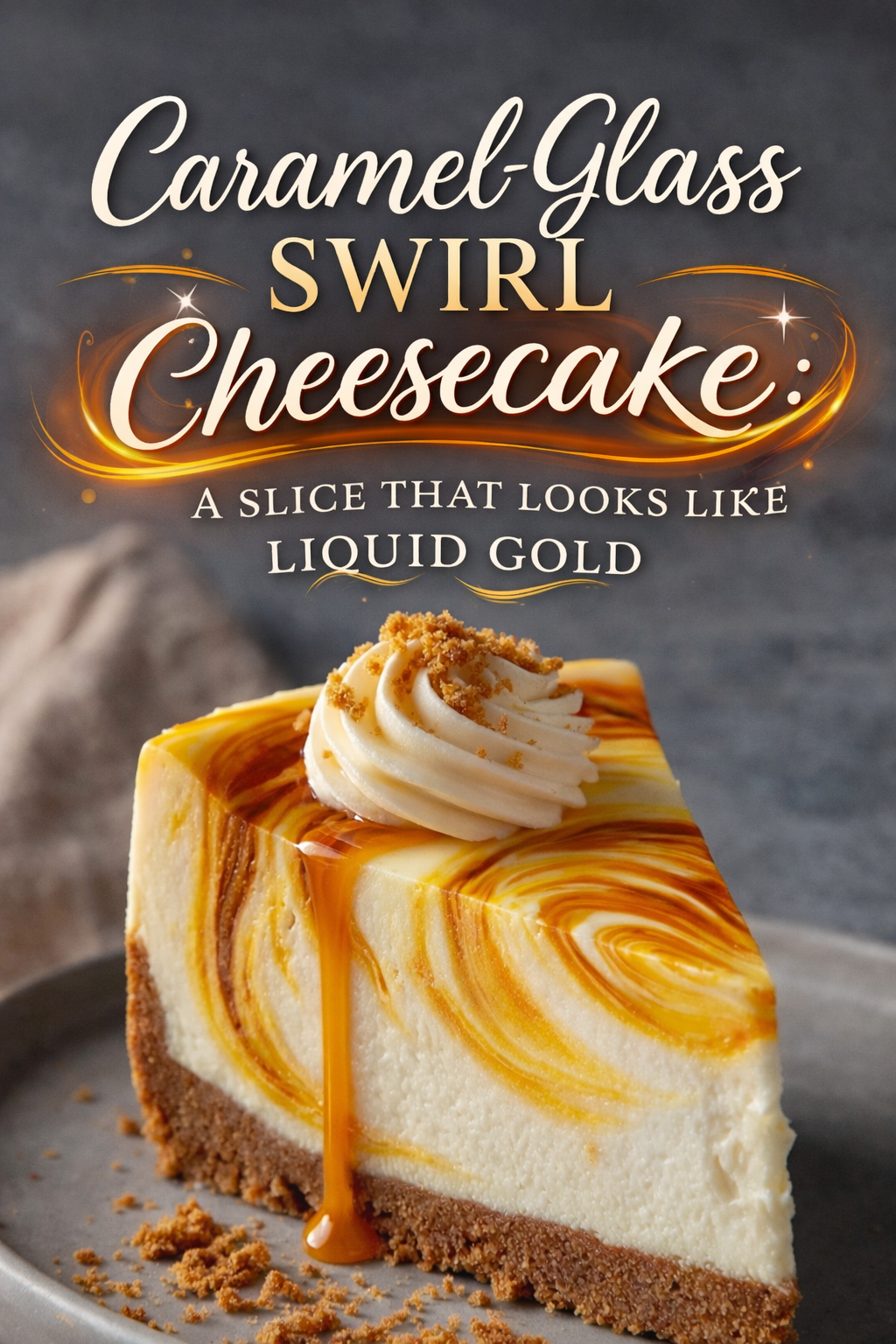
Caramel-Glass Swirl Cheesecake: A Slice That Looks Like Liquid Gold
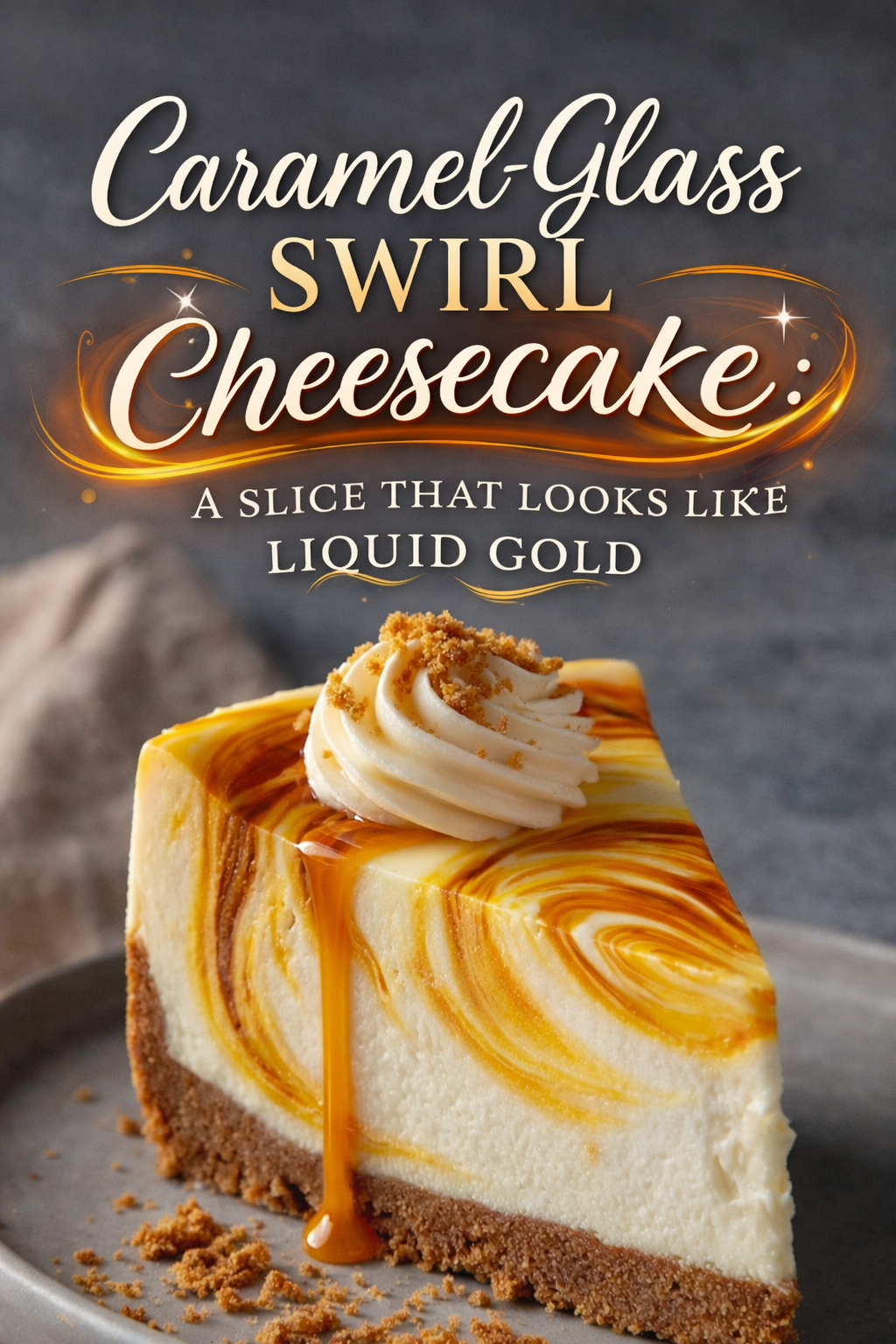
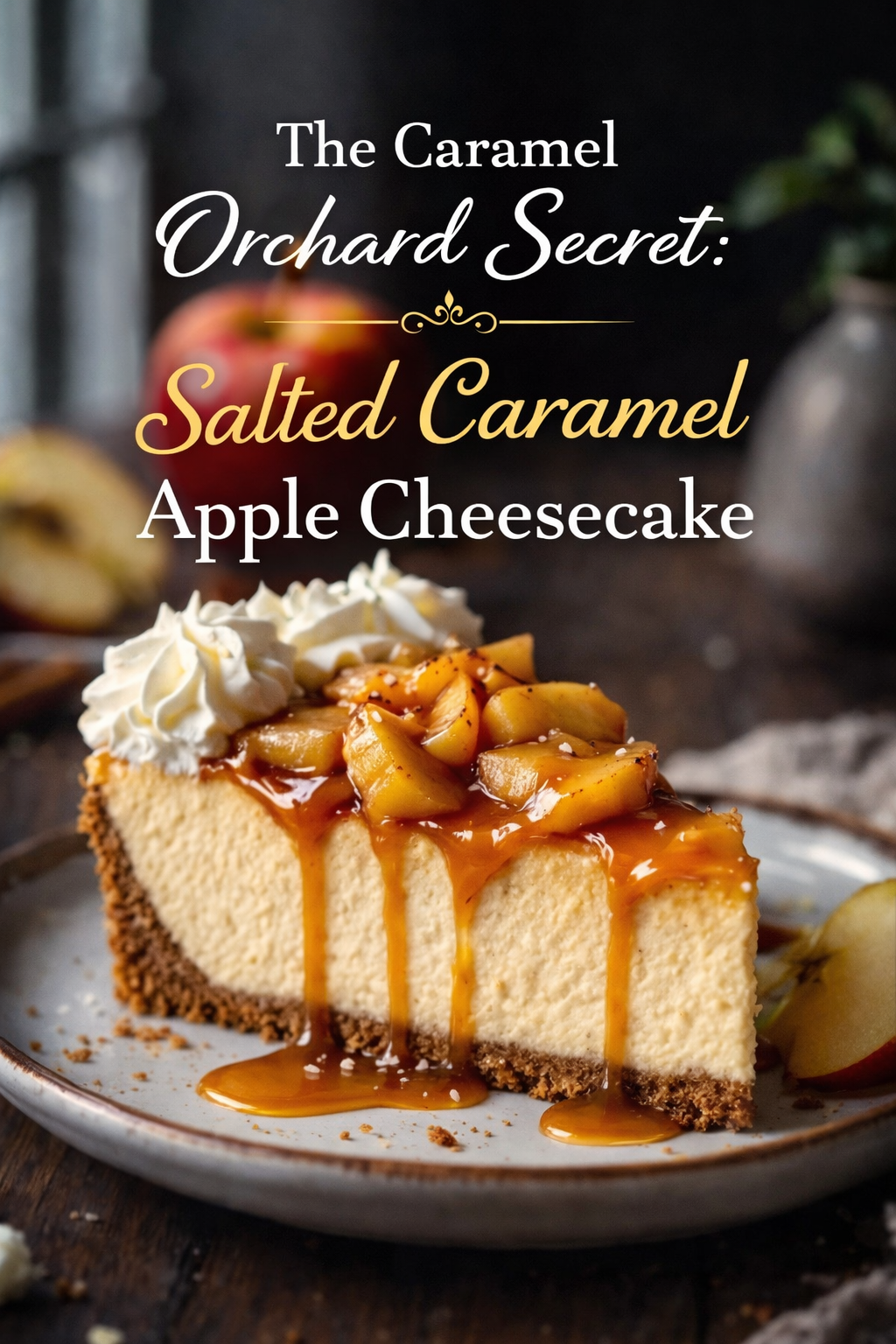
The first thing you notice is the shine—an amber ribbon caught mid-motion, as if someone poured sunset straight onto a quiet wedge of cheesecake and it decided to stay there. The top is a map of slow spirals, honeyed and bold, drifting through pale cream like marble warmed by a flame. One glossy drip escapes the edge and trails down the side in a single confident line, pooling at the base with the kind of patience that only caramel seems to have. The slice sits on a simple plate that makes it feel even more dramatic, the background soft and gray like a winter afternoon, everything pulled back so the dessert can take the spotlight.
The cheesecake itself looks impossibly smooth—dense but not heavy, the surface tight and satin-like, the cut clean enough to show how carefully it was baked. Beneath it, a graham crust holds its ground: darker, sturdier, a little rustic at the edges, with scattered crumbs that feel like an invitation rather than a mess. On top, a swirl of whipped cream is piped high and neat, crowned with a pinch of golden crumble—tiny sparks of texture against all that silk. You can almost hear the first forkful: the soft give of the filling, the faint snap of crust, the whisper of caramel sliding across your tongue.
This kind of dessert changes the mood of a room. It turns a regular night into something deliberate. It asks for dimmer lights, slower conversation, maybe a record playing low while the kitchen still smells faintly sweet. It’s the sort of finish that makes people linger at the table, even after plates are cleared, because nobody wants to be the first to break the spell. The caramel isn’t just flavor—it’s atmosphere. It’s warmth without heat. It’s elegance that doesn’t feel stiff.
There’s also something quietly satisfying about how composed it is. Cheesecake can be dramatic in the wrong ways—cracks, sinking centers, edges that overbake before the middle is ready. But this slice looks like the calm version of a luxury: steady, intentional, and balanced. That kind of calm doesn’t happen by accident; it happens because the tools were right and the timing was respected. A dependable springform pan with a leak-resistant latch makes the whole process feel more like craftsmanship than guesswork, and a sturdy baking sheet for a gentle water bath setup becomes a quiet hero when you’re chasing that flawless, even bake.
The caramel itself reads like a finishing touch, but it’s really a storyline. It’s layered—brown-sugar depth, a buttery roundness, a slight edge that keeps it from turning too sweet. You get that effect when the foundation is right: real dairy, a little patience, and a willingness to stop stirring only when it’s ready. Having a heavy-bottom saucepan that heats evenly changes everything about caramel; it turns the process from anxious to steady. And when it comes time to build those swirls, a simple silicone spatula set for folding and smoothing lets you move slowly and cleanly, like you’re painting rather than rushing to finish.
Even the whipped cream topper has a certain attitude—soft but structured, the kind of swirl that holds its shape without looking stiff. It’s the detail that says the slice wasn’t just served; it was presented. A classic piping bag and star tip set makes that effortless, and suddenly the dessert looks like it belongs behind glass in a bakery window, except it’s right here—on your plate, in your kitchen, in your life.
What makes this particular style of cheesecake feel so luxurious is the contrast: cool cream against warm caramel, smooth filling against sandy crust, glossy top against crumbly edges. It’s not loud, but it’s unforgettable. It doesn’t need a special occasion; it becomes the occasion. One slice is enough to reset the pace of the evening, to turn the background into a soft blur while the flavor stays sharp and clear.
And that’s the real magic—how something so simple in spirit can look like it took a whole team to create. A few smart choices, a little restraint, and a willingness to let the dessert set fully before anyone touches it. The caramel will shine, the swirl will hold, the crust will stay crisp at the edges, and the first bite will feel like a secret you’re glad you didn’t rush.
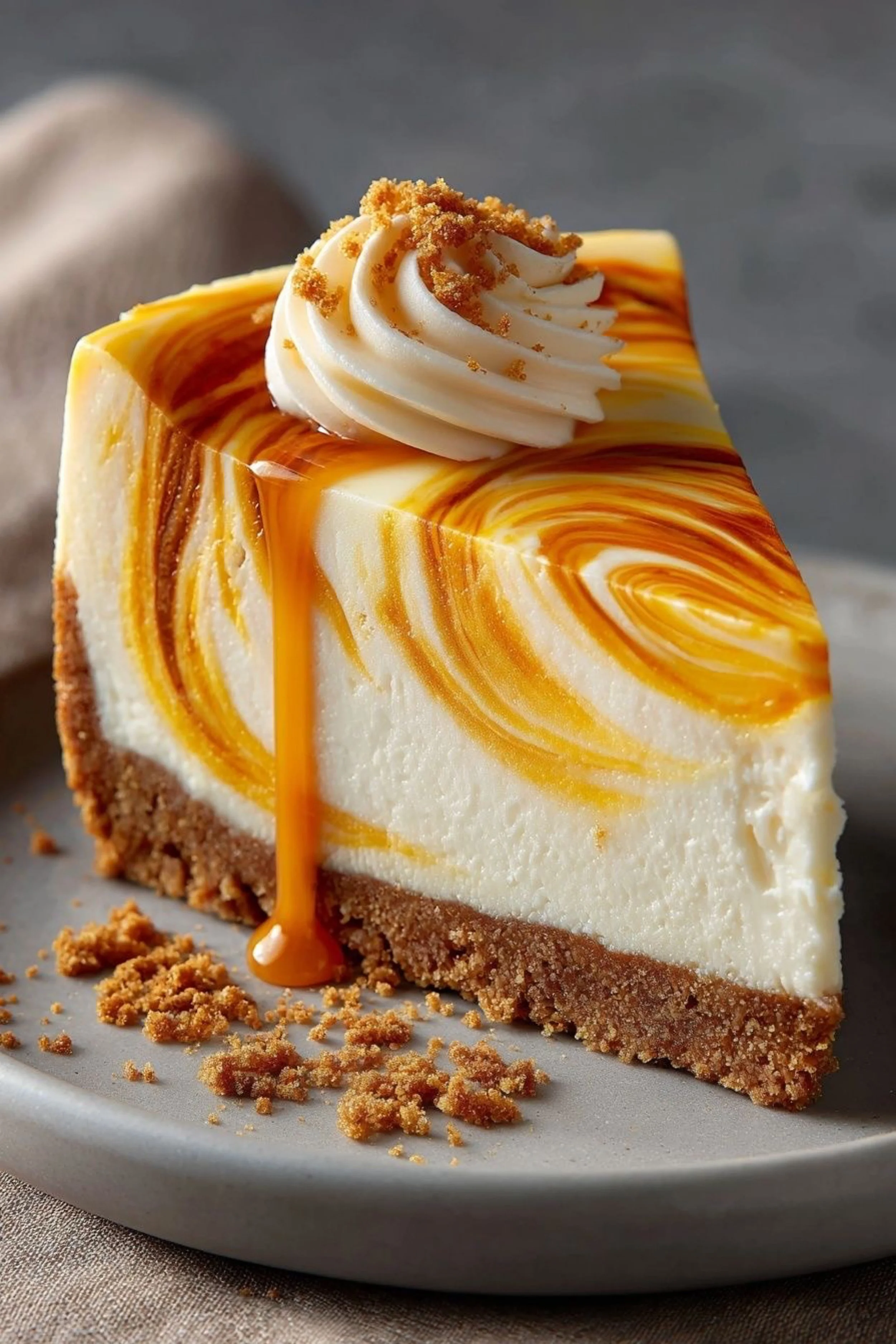
Caramel-Glass Swirl Cheesecake
A silky classic cheesecake finished with a glossy caramel swirl, a buttery graham crust, and a cloud of whipped cream.
Ingredients
Crust
- 2 cups graham cracker crumbs
- 6 tbsp unsalted butter, melted
- 2 tbsp brown sugar
- Pinch of salt
Cheesecake Filling
- 32 oz cream cheese, room temperature
- 1 cup granulated sugar
- 1 cup sour cream, room temperature
- 1 tsp vanilla extract
- 4 large eggs, room temperature
- 2 tbsp all-purpose flour
- 1/4 tsp salt
Caramel Swirl + Drip
- 1 cup granulated sugar
- 6 tbsp unsalted butter, cubed
- 1/2 cup heavy cream, warmed
- 1/2 tsp salt
- Optional: 1 tsp vanilla extract
Whipped Cream (Optional)
- 3/4 cup heavy cream, cold
- 2 tbsp powdered sugar
- 1/2 tsp vanilla extract
- Optional garnish: graham crumbs
Method / Instructions
- Prep: Heat oven to 325°F. Wrap a 9-inch springform pan in foil (to protect from water bath seepage). Grease lightly.
- Crust: Mix crumbs, melted butter, brown sugar, and salt. Press firmly into the pan bottom. Bake 10 minutes; cool.
- Caramel: Melt sugar over medium heat until amber. Whisk in butter, then slowly whisk in warmed cream. Add salt (and vanilla if using). Cool to lukewarm.
- Filling: Beat cream cheese and sugar until smooth. Mix in sour cream and vanilla. Add flour and salt. Add eggs one at a time on low, mixing just until combined.
- Assemble: Pour batter over crust. Spoon caramel over the top and gently swirl with a knife or skewer.
- Bake (Water Bath): Place springform in a larger pan and add hot water halfway up the sides. Bake 55–70 minutes until edges are set and center jiggles slightly.
- Cool Slowly: Turn oven off, crack door 1 hour. Remove, cool to room temp, then chill 6+ hours (overnight best).
- Finish: Drizzle extra caramel down the edge. Top with whipped cream and a pinch of crumbs. Slice and serve.
A cheesecake this smooth is built on two things: temperature control and restraint. Start by treating the ingredients like they’re part of the same team—cream cheese, sour cream, and eggs all need time to come to room temperature so they blend without forcing air into the batter. Air feels harmless until the cake bakes; then it expands and collapses, and suddenly you’re staring at cracks. If your kitchen is cool, give the cream cheese extra time, or cut it into cubes so it warms evenly. A reliable hand mixer with multiple speed settings helps, but the real trick is using the lowest effective speed once the batter is mostly smooth. The goal isn’t fluff—it’s satin.
Step 1: Build a crust that stays crisp
Graham crust can go from perfect to soggy if it isn’t baked and packed properly. Mix the crumbs with melted butter until every grain looks damp, like wet sand, then press firmly—really firmly—into the pan. Use a flat-bottomed glass or measuring cup to compact it so it becomes a stable base instead of a crumb pile. Baking it briefly sets the butter and wakes up the toastiness, which matters because the filling is mild and creamy; the crust is where the deeper, almost nutty warmth lives. For the cleanest release later, line the bottom with a circle of parchment—those pre-cut round parchment liners for cake pans make it effortless.
Step 2: Caramel that stays glossy, not gritty
Caramel is a mood. It rewards attention and punishes distraction. Keep the sugar moving gently as it melts—swirl the pan rather than stirring aggressively at first, because stirring can encourage crystallization if stray sugar clings to the sides. Once it turns a deep amber (think warm copper, not dark brown), whisk in the butter, then stream in warmed cream slowly. Warming the cream prevents the caramel from seizing into a stubborn lump. A balloon whisk that reaches the corners makes the emulsion smoother and faster.
If your caramel turns gritty, it usually means crystallization started. The fix is often simple: add a tablespoon or two of water and gently reheat, letting it dissolve back into gloss. If it’s too thick to drizzle, warm it in short bursts and stir. If it’s too thin, simmer it a little longer—caramel thickens as it cools, so stop while it still flows like warm honey.
Step 3: Mix the filling with a “less is more” mindset
Beat the cream cheese and sugar until smooth, then pause. Scrape the bowl thoroughly—cheesecake batter hides stubborn lumps on the sides and bottom. A flexible silicone bowl scraper set makes that a one-swipe habit instead of a chore. Add sour cream and vanilla next, then the flour and salt. The flour is subtle but important: it adds a little structure and reduces the chance of cracking, especially if your oven runs hot.
Eggs go in last, one at a time, on low speed. Stop mixing as soon as each egg disappears. Overmixing eggs is the fastest way to trap air, and trapped air is the enemy of that tight, creamy texture you’re chasing.
Step 4: Swirl like you mean it
For a top that looks marbled instead of muddy, caramel needs to be lukewarm—not hot, not cold. Hot caramel sinks and disappears; cold caramel clumps and drags. Spoon a few ribbons across the surface, then use a thin skewer or knife to draw slow loops. Think of it like calligraphy: fewer strokes, cleaner lines. If you keep going, you’ll lose contrast and end up with a uniform tan top. Stop early and trust the pattern.
Step 5: The water bath is non-negotiable for this finish
That even, crack-free bake comes from gentle heat. A water bath buffers the cheesecake from harsh oven swings, keeping the edges from setting too fast. Wrap the springform pan in heavy foil to prevent leaks, then place it in a larger roasting pan. Pour in hot water until it reaches halfway up the springform’s sides. A sturdy deep roasting pan that fits a 9-inch springform makes the whole setup feel stable.
Bake until the edges are set but the center still jiggles like soft gelatin—if the center is completely firm, it’s overbaked. Don’t chase a “done” look; chase the jiggle.
Step 6: Cool it like a professional
The fastest route to cracks is temperature shock. When the bake time ends, turn the oven off and crack the door. Let the cheesecake sit inside for an hour, slowly stepping down the heat. Then move it to the counter to cool to room temperature. Only after it’s fully cool should it go into the fridge. Cheesecake needs time to settle; the texture tightens as it chills, and the flavor deepens overnight.
Step 7: Clean slices and that dramatic caramel drip
For sharp slices, use a long knife warmed under hot water, then wiped dry between cuts. The difference is immediate: clean edges, no tearing, no smears. When you’re ready to add the drip, warm the caramel just until it flows. Drizzle near the edge and let gravity do the styling—one intentional drip looks more luxurious than a flood. Finish with a whipped cream swirl for contrast. A chilled bowl and a quick whip with a stand mixer for stable peaks keeps it plush and tall, but a hand mixer works too if the cream is cold.
Variations that still keep the vibe
- Salted caramel: Increase the salt slightly and add a tiny pinch of flaky finishing salt on top right before serving.
- Spice warmth: Add cinnamon to the crust or a pinch of espresso powder to the caramel for deeper bitterness.
- Cookie crust: Swap graham crumbs for crushed vanilla wafers or speculoos-style cookies for extra perfume.
- Lighter tang: Use part Greek yogurt in place of some sour cream for a brighter finish.
Troubleshooting, quickly
If it cracks, it’s usually overbake or rapid cooling—cover the top with caramel and whipped cream and call it intentional. If it’s too soft, it likely needed more chill time; give it an overnight rest and it will slice like a dream. If the crust softens, bake it a touch longer next time and press it tighter.
When everything lands, the reward is that unmistakable texture: smooth, dense, and cool, with caramel gleaming on top like liquid glass. One bite feels composed—sweet, creamy, and just dramatic enough to make the room go quiet.