The Glaze That Stays: Apricot-Cranberry Sage Glazed Ham
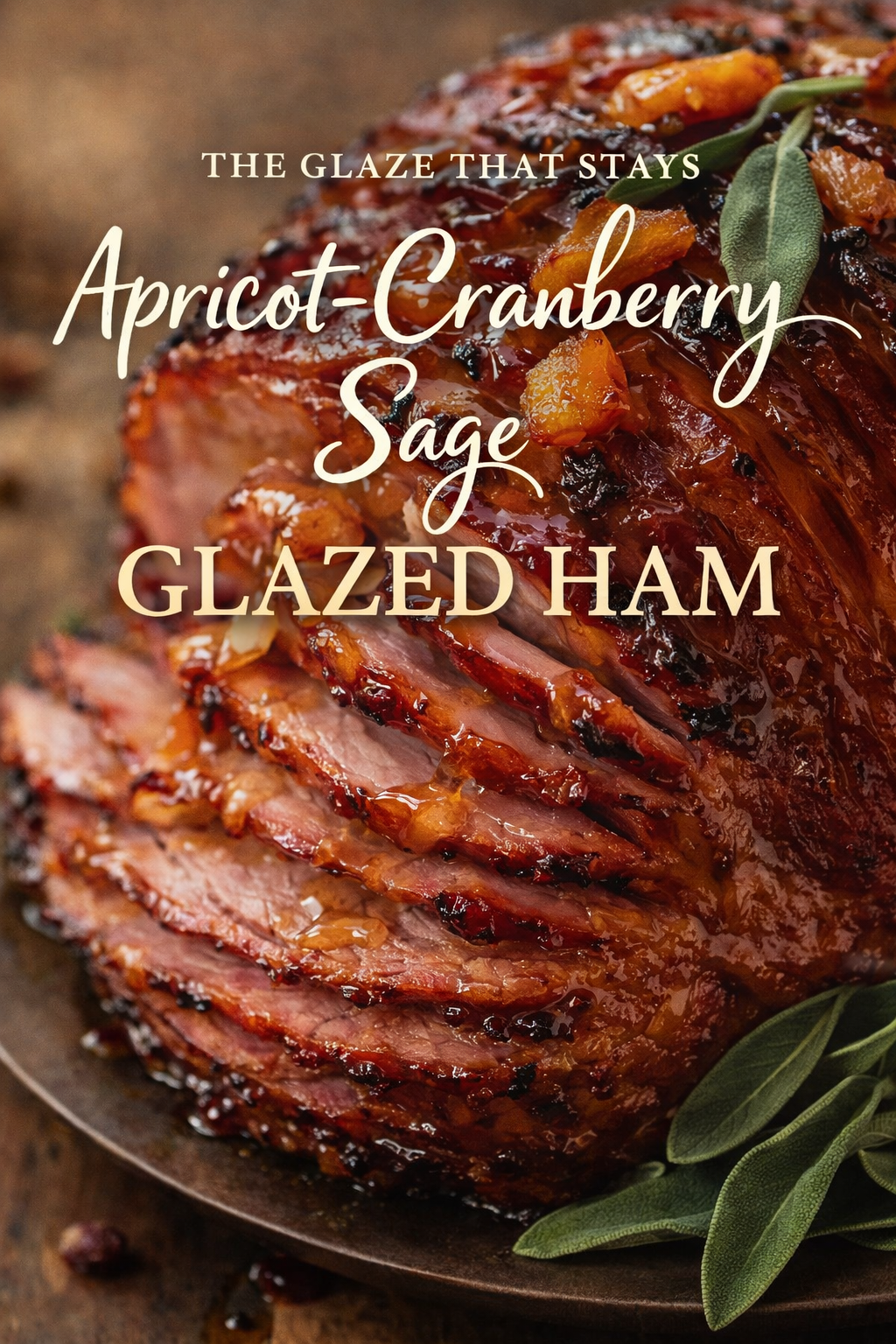
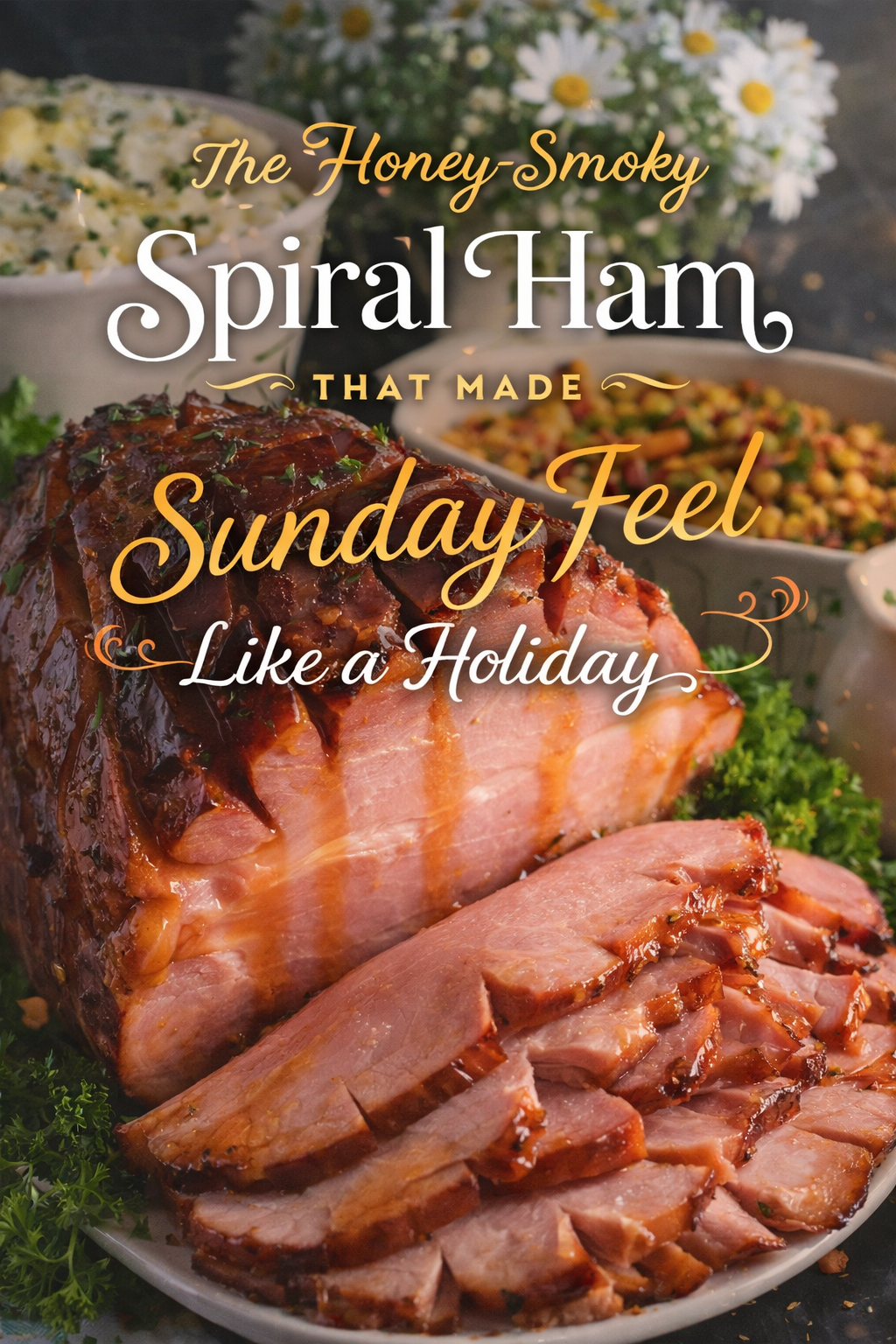
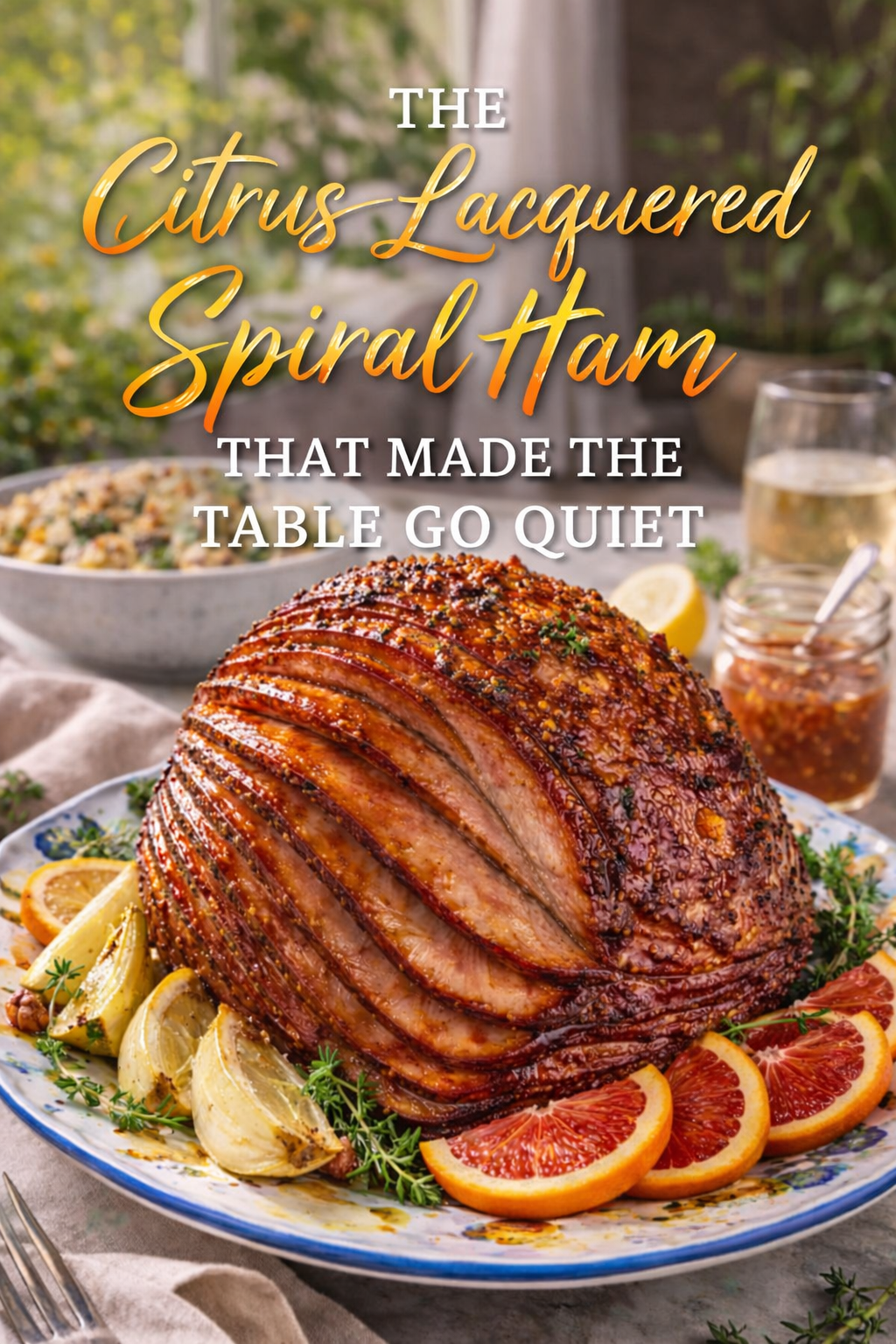
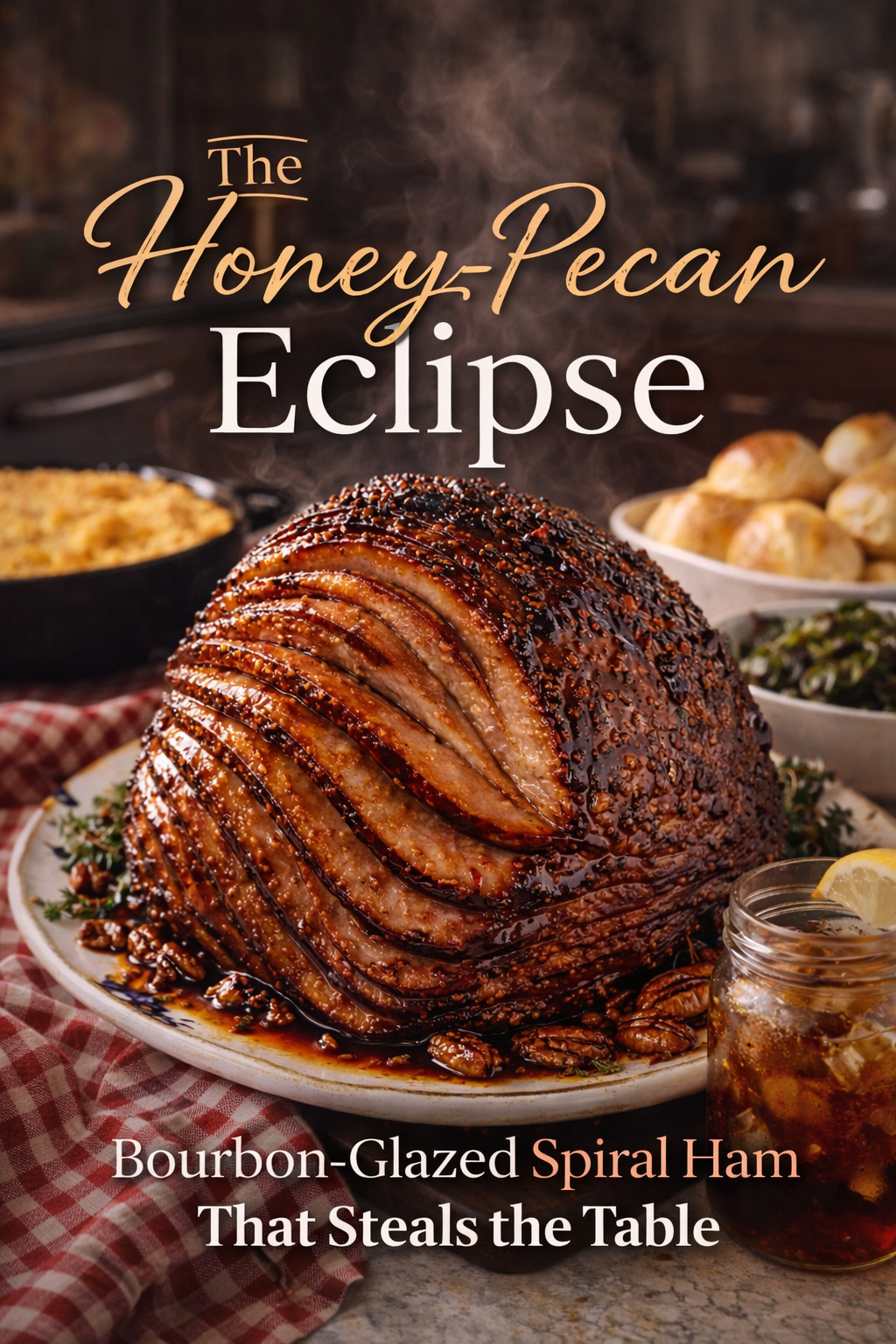
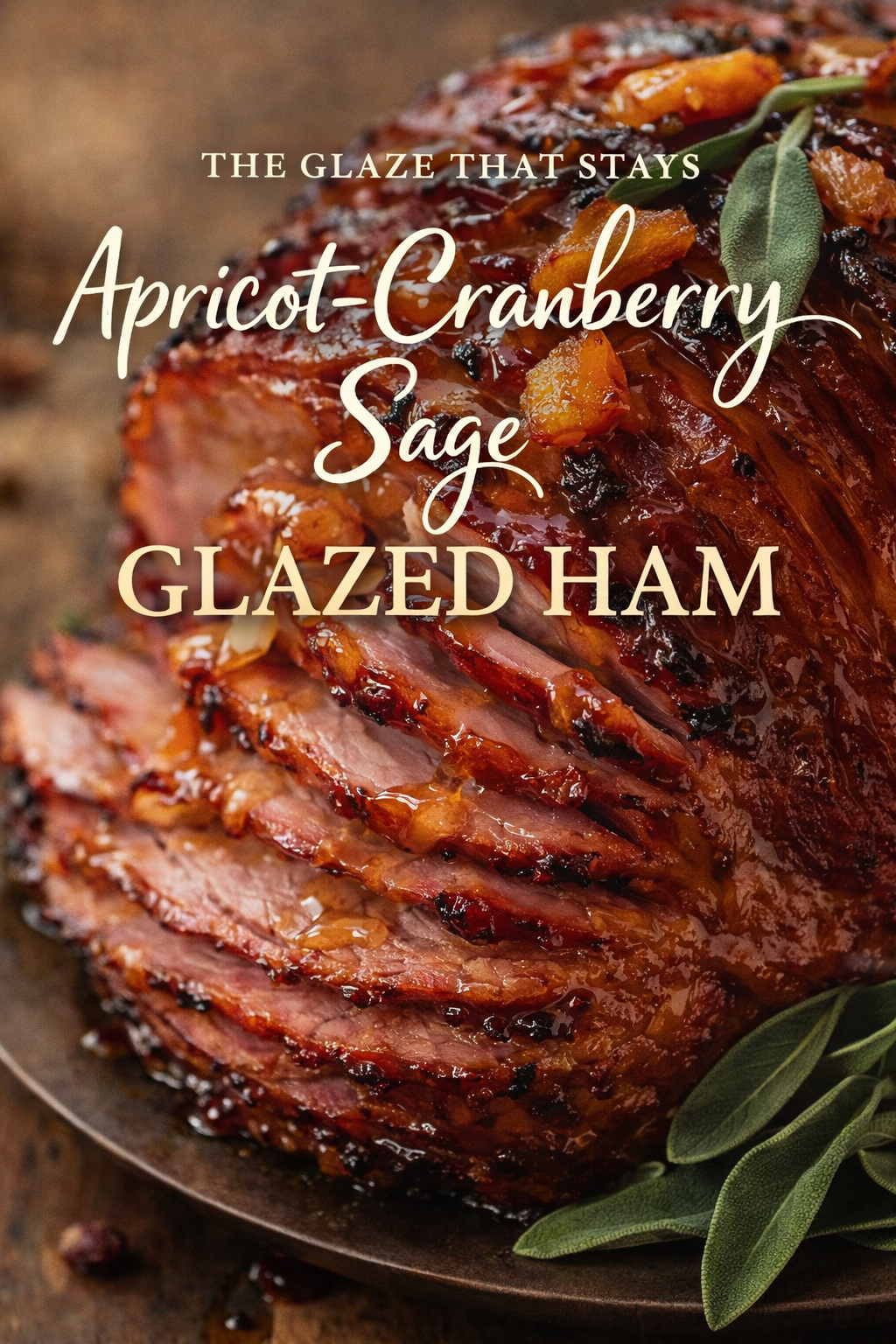
A ham like this doesn’t arrive quietly. It comes in wearing its shine—lacquered, bronze-deep, and unapologetically glossy—catching the light the way candlewax catches a wick right before it melts into a steady flame. The surface looks kissed by heat and time: a glaze set into ripples and tiny darkened freckles, where sugar and fruit have leaned a little too close to the edge and dared the pan to answer. And it did. You can almost feel the moment the oven door opened—warm air rolling out, sweet and savory at once—while the ham sat there with that slow, sticky confidence, as if it knew the room would go quiet.
The slices reveal the real promise: tender blush meat edged with a caramelized rim, each piece glossy at the cut, as though it’s been painted with a final whisper of syrup. The glaze doesn’t just sit on top; it clings, drips, and threads itself between the ridges like it belongs there. Little pockets of fruit—apricot-gold and cranberry-dark—nestle into the surface, softened to the point where they look like they could dissolve on your tongue. Those bits are the secret glitter in the whole thing, the kind of detail that makes everyone lean in closer, just to confirm it’s real.
There’s greenery tucked alongside—sage leaves with that velvety, silvery texture, the kind that smells like clean hands and old kitchens and a little bit of winter sunlight. It’s not garnish for the sake of garnish. It feels intentional, like a note written in the margin: a reminder that sweetness needs structure, that richness deserves an herbal lift. When the ham is warm, sage perfumes the air in a way that’s both grounding and bright, as if it’s cutting a path through the glaze’s depth and inviting you to take another slice without hesitation.
This is the sort of centerpiece that makes the table feel arranged—even if the rest of the kitchen is chaos. It’s the kind of food that forgives you for mismatched plates and hurried side dishes, because it looks like you planned everything weeks ago. When the glaze is right, it becomes a sheen of celebration—something you can spoon and brush and baste until it turns into its own glossy language. A silicone basting brush becomes less like a tool and more like a paintbrush, and suddenly you’re not “cooking,” you’re finishing a masterpiece you can carve.
The scent is a layered thing, not just sugar. There’s the toasted edge of brown sugar meeting hot metal, the tangy spark of mustard, the fruit’s jammy depth, and a soft, round warmth from spices that feel more like atmosphere than flavor. If you’ve got a heavy roasting pan with a rack, the ham sits elevated, letting heat circulate and the glaze collect into a pool below—drippings turning into liquid gold you’ll want to spoon over every slice. The pan’s bottom becomes a quiet alchemy lab: fruit, rendered fat, and caramelization fusing into something too good to waste.
There’s also the sound—subtle, but unmistakable. A low sizzle when the glaze hits hot edges. The faint crackle of sugar tightening as it cools. The soft scrape of a knife as you carve through that caramelized rim. If you use a sharp slicing knife, the cuts feel clean and graceful, like the ham wants to fall into perfect portions. And then, the moment a slice lands on the plate, it glows. Not because it’s flashy—because it’s cared for.
The fruit choices feel like a small act of elegance. Apricot brings honeyed softness and a little floral lift. Cranberry brings tart brightness and color that reads like stained glass against the glaze’s amber. Together, they keep the sweetness from becoming heavy. They also make the glaze look alive—like it’s moving, like it’s still warm even when it’s resting. If you start with dried apricots and dried cranberries, you get that chewy, concentrated flavor that plumps into little jewels as it cooks, soaking up juices until they taste like the best parts of a holiday spread, condensed into bite-sized bursts.
The glaze itself is where mood becomes memory. It’s sweet, yes, but it’s also structured—balanced with vinegar or citrus, anchored with mustard, deepened with spice. A simple microplane zester can turn an orange into perfume, and that tiny shimmer of zest is the kind of thing people can’t quite identify but will absolutely feel. Add a little warmth from clove or cinnamon, and suddenly the kitchen smells like something you’ve been waiting for all year, even if you didn’t know it.
And then there’s the ritual of rest. The ham sits, glossy and patient, letting the juices settle back into the meat. That pause is where the magic consolidates. It’s where the slices stop steaming and start shining. It’s where you realize the glaze isn’t just on the surface—it’s in the air, in your hands, in the quiet satisfaction of having made something that looks this good and tastes even better.
This ham doesn’t ask to be the center of attention. It simply becomes it. It turns a regular meal into an occasion, makes side dishes feel like supporting cast, and transforms leftovers into something you’ll actually look forward to. A slice the next day, warmed gently, still carries that fruit-studded sheen—the kind of flavor that lingers, sweet and herbal and deeply comforting, like the last note of a song you don’t want to end.
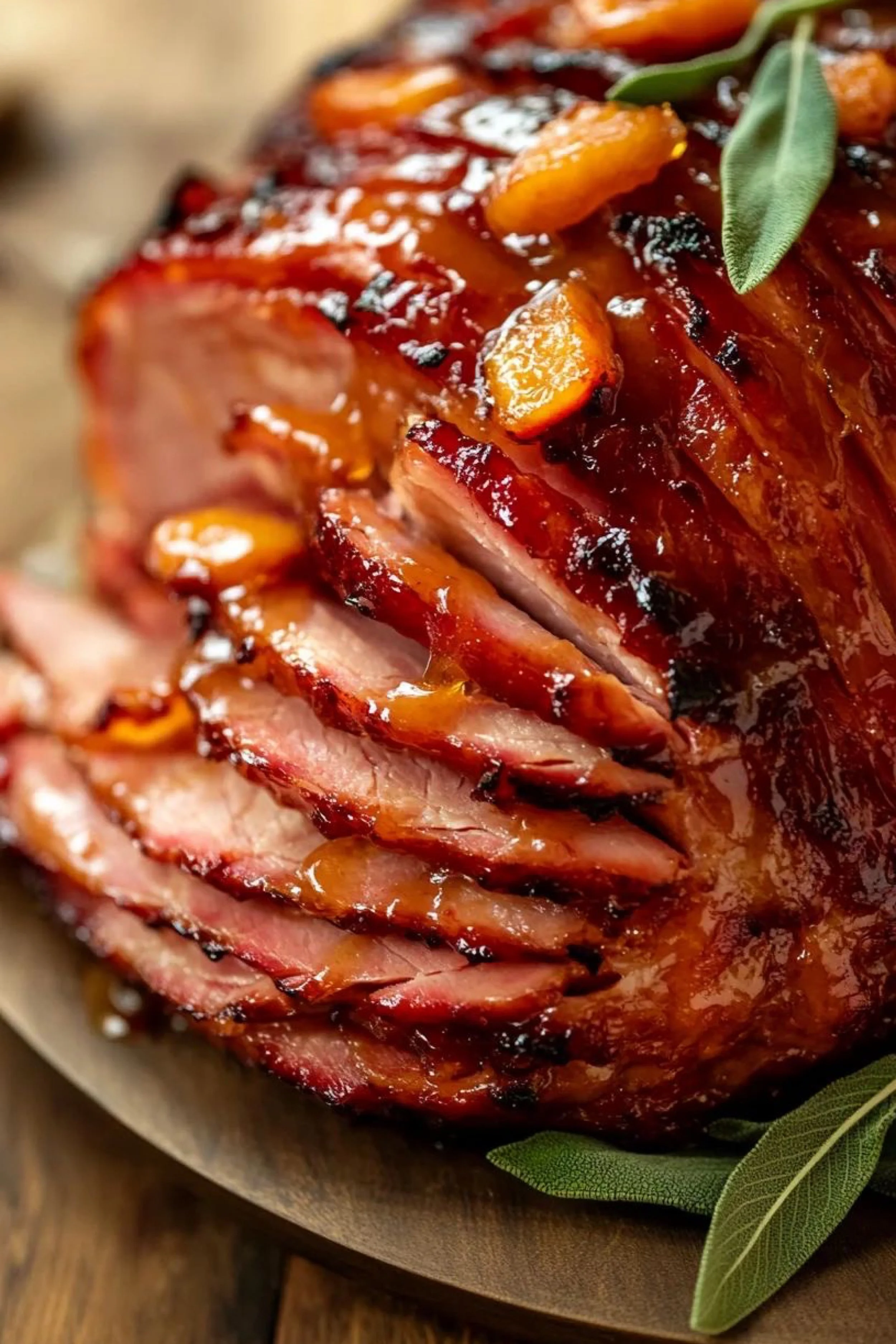
Apricot-Cranberry Sage Glazed Ham is built around a simple idea: a slow, gentle warm-through, then a bold glaze applied in layers until the surface turns shiny and set. The fruit plumps into the glaze, the edges caramelize, and the sage keeps everything tasting bright instead of cloying.
Ingredients
For the ham
- 1 bone-in, spiral-sliced ham (8–12 lb)
For the glaze
- 1 cup apricot preserves
- 1/2 cup packed brown sugar
- 1/2 cup orange juice (or apple cider)
- 2 tbsp Dijon mustard
- 2 tbsp apple cider vinegar
- 1 tsp grated orange zest
- 1/2 tsp ground cinnamon
- 1/4 tsp ground cloves (optional)
- 3/4 cup chopped dried apricots
- 1/2 cup dried cranberries
- 8–12 fresh sage leaves (plus more for serving)
- Pinch of salt
Method
- Heat the oven: Set to 325°F. Place a rack in a roasting pan with rack.
- Warm the ham: Set ham on the rack, cut side down. Cover tightly with foil. Bake about 10–12 minutes per pound, until warmed through.
- Make the glaze: In a saucepan, combine preserves, brown sugar, orange juice, mustard, vinegar, zest, spices, salt, dried apricots, cranberries, and sage. Simmer 8–10 minutes until glossy and slightly thickened.
- Glaze and caramelize: Increase oven to 400°F. Uncover ham. Brush with glaze using a silicone basting brush. Bake 12 minutes. Brush again and bake 10–12 minutes more, watching closely so sugars don’t burn.
- Rest and serve: Rest 15–20 minutes. Carve with a ham slicing knife. Spoon extra fruit glaze over slices and tuck fresh sage around the platter.
Step 1: Pick the right ham—and plan for gentler heat
A spiral-sliced ham is the easiest path to that cascading, photo-ready carve because the meat is already portioned, but it also dries out faster if you blast it. The goal is warm-through first, shine second. Start by setting the oven to 325°F and giving the ham a calm environment—steady heat, covered moisture, and time. If you’re using a roasting pan with rack, the rack keeps the bottom from stewing in drippings and helps the heat circulate so the slices warm evenly.
Step 2: Cover tightly so the slices don’t lose their juiciness
Place the ham cut-side down. That single choice protects the most exposed surface from drying while the rest of the ham heats. Cover it tightly with foil—think sealed, not loosely tented. This creates a mini steam chamber that holds moisture in and keeps the spiral edges from crisping too early. Bake about 10–12 minutes per pound. You’re not chasing a dramatic browning yet; you’re chasing tenderness and an even internal warmth.
Temperature target: If you have a meat thermometer, aim for about 120–130°F before glazing. The final high-heat glaze phase will take it the rest of the way without overcooking.
Step 3: Build a glaze that’s sweet, sharp, and structured
Glaze success is balance. Apricot preserves deliver body and a honeyed fruit base. Brown sugar brings depth and caramel potential. Dijon mustard adds savory backbone so the sweetness tastes intentional, not candy-like. Vinegar (or a squeeze of citrus if you prefer) lifts everything and keeps the finish bright. Zest is the quiet luxury—tiny, aromatic, and impossible to fake—especially easy with a microplane zester.
In a saucepan, combine:
- Apricot preserves
- Brown sugar
- Orange juice (or apple cider)
- Dijon mustard
- Apple cider vinegar
- Orange zest
- Cinnamon and a whisper of clove (optional)
- Chopped dried apricots and dried cranberries
- A pinch of salt
- A few sage leaves
Simmer 8–10 minutes until the glaze looks glossy and slightly thickened. You’re not trying to reduce it into tar—just tighten it so it clings. If it thickens too much, loosen with a splash of juice or water. If it feels thin, simmer another minute or two.
Step 4: Let the fruit plump into jewel-like bites
Dried fruit is a cheat code for concentrated flavor and beautiful texture. Apricots soften into little golden pillows; cranberries stay slightly chewy, giving each bite a tart pop. Chopping them helps them distribute evenly across the ham instead of sliding off in big pieces. Starting with dried apricots and dried cranberries also means you get consistent results year-round, not dependent on fresh fruit quality.
Step 5: Switch to high heat only when the ham is already warm
Once the ham is warmed through, remove the foil and increase the oven to 400°F. This is the “set the lacquer” moment. High heat too early can toughen edges and dry the spiral slices; high heat at the end creates that gorgeous, sticky shell.
Brush on the first glaze layer with a silicone basting brush, getting into the ridges where the spiral cuts open slightly. Think of it like sealing flavor between the slices, not just painting the surface.
Bake 10–12 minutes. Pull it out. Glaze again. Bake another 10–12 minutes.
Troubleshooting:
- Glaze darkening too fast: Drop oven to 375°F and shorten the last interval. Sugars can go from caramel to bitter quickly.
- Glaze sliding off: It’s too thin. Simmer it a bit longer or add a spoonful more preserves.
- Edges drying: You started glazing before the ham warmed through or ran the high-heat phase too long. Next time, keep the warm-through phase fully covered and brief the finishing phase.
Step 6: Sage is not decoration—use it like seasoning
Sage has a resinous, clean depth that makes sweet glazes taste grown-up. Simmer a few leaves in the glaze for perfume, then add fresh leaves to the platter for aroma. If you want more herbal punch, mince a small leaf or two and whisk it into the glaze right before brushing. Keep it subtle—sage is powerful.
Step 7: Resting is what makes the slices look as good as they taste
After the final glaze set, rest the ham 15–20 minutes. This keeps juices in the meat instead of spilling onto the board. It also gives the glaze time to firm into that glossy, touchable finish—still sticky, but no longer runny. If you slice immediately, the ham can look watery and the glaze can streak instead of shine.
Step 8: Carve with intention for clean, glossy slices
Spiral hams almost want to fall apart, but a sharp blade makes them look deliberate instead of shredded. Use a ham slicing knife and cut along the bone to release sections, then separate slices as needed. Spoon some of the fruit-forward glaze from the pan over the top so every plate gets those apricot and cranberry pockets.
Step 9: Variations that keep the same vibe
- Bourbon warmth: Add 2–3 tablespoons of bourbon to the glaze and simmer an extra minute to mellow it.
- Pineapple swap: Replace orange juice with pineapple juice and use a little crushed pineapple in the glaze for a brighter tropical note.
- Spice-forward: Add a pinch of smoked paprika and a tiny bit of black pepper for a deeper, savory edge.
- Less sweet: Increase mustard to 3 tablespoons and add an extra tablespoon of vinegar to sharpen the finish.
Step 10: Leftovers that feel like a reward, not an obligation
This ham reheats beautifully because the glaze is protective. Warm slices gently—covered—so you don’t burn the sugars. Leftover glaze can be spooned over biscuits, stirred into beans, or brushed onto roasted vegetables. If you want to prep ahead next time, you can make the glaze a day early and store it chilled; rewarm it slowly so it returns to that glossy consistency.
If you take nothing else from the process, keep this: warm first, glaze last, and rest before carving. That’s how you get slices that stay juicy, edges that caramelize instead of harden, and a fruit-studded shine that looks like it belongs at the center of the table.