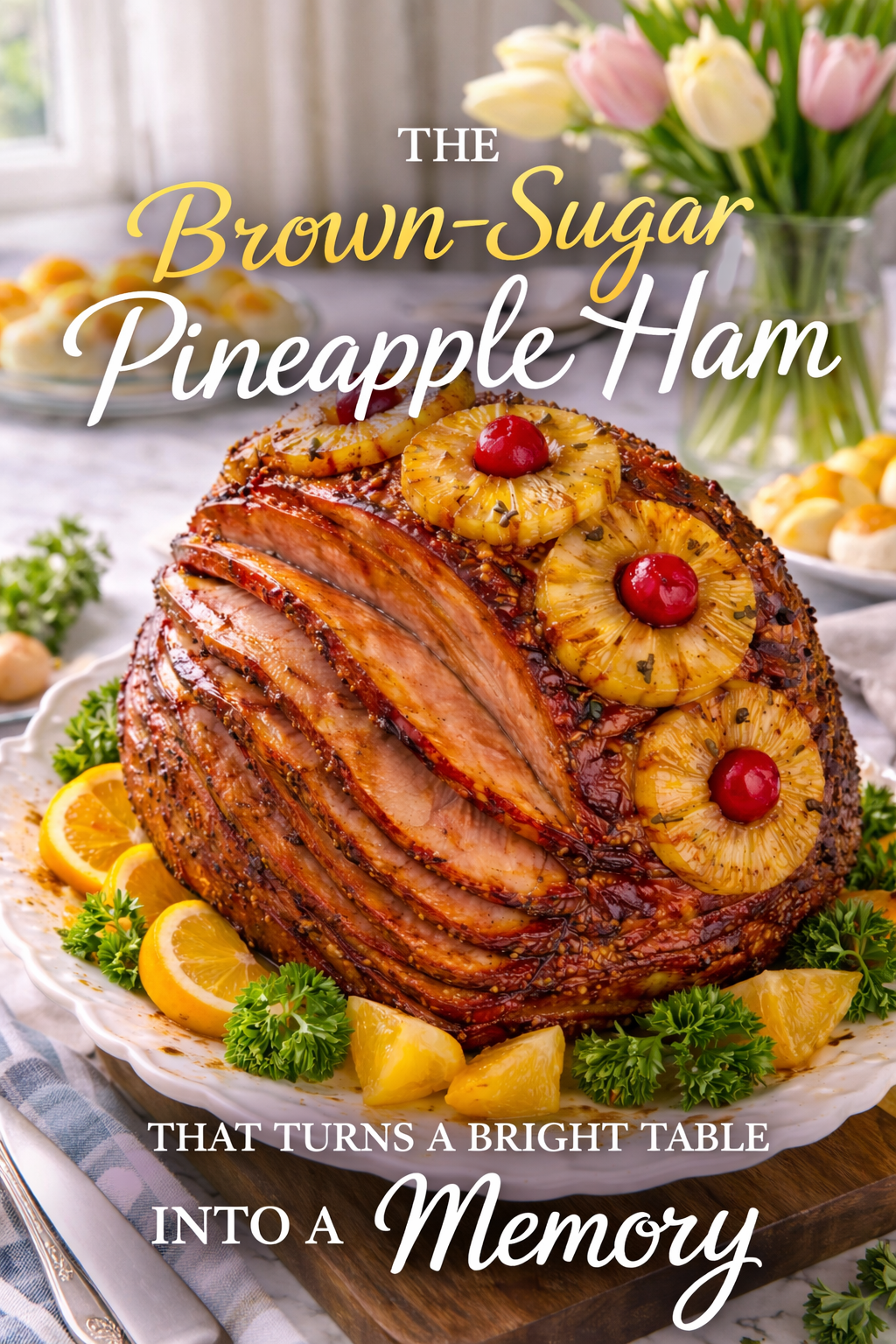
The Brown-Sugar Pineapple Ham That Turns a Bright Table into a Memory
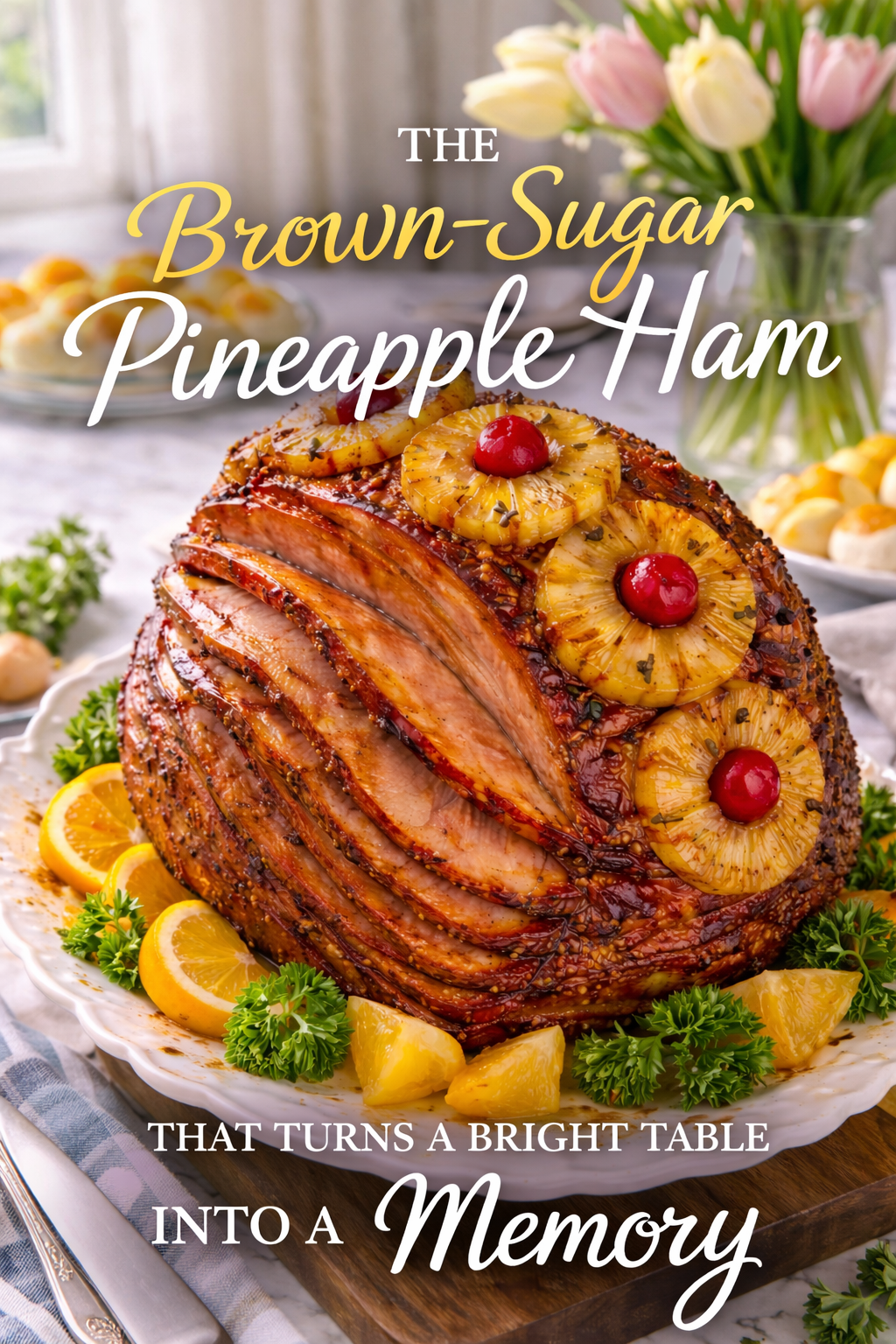
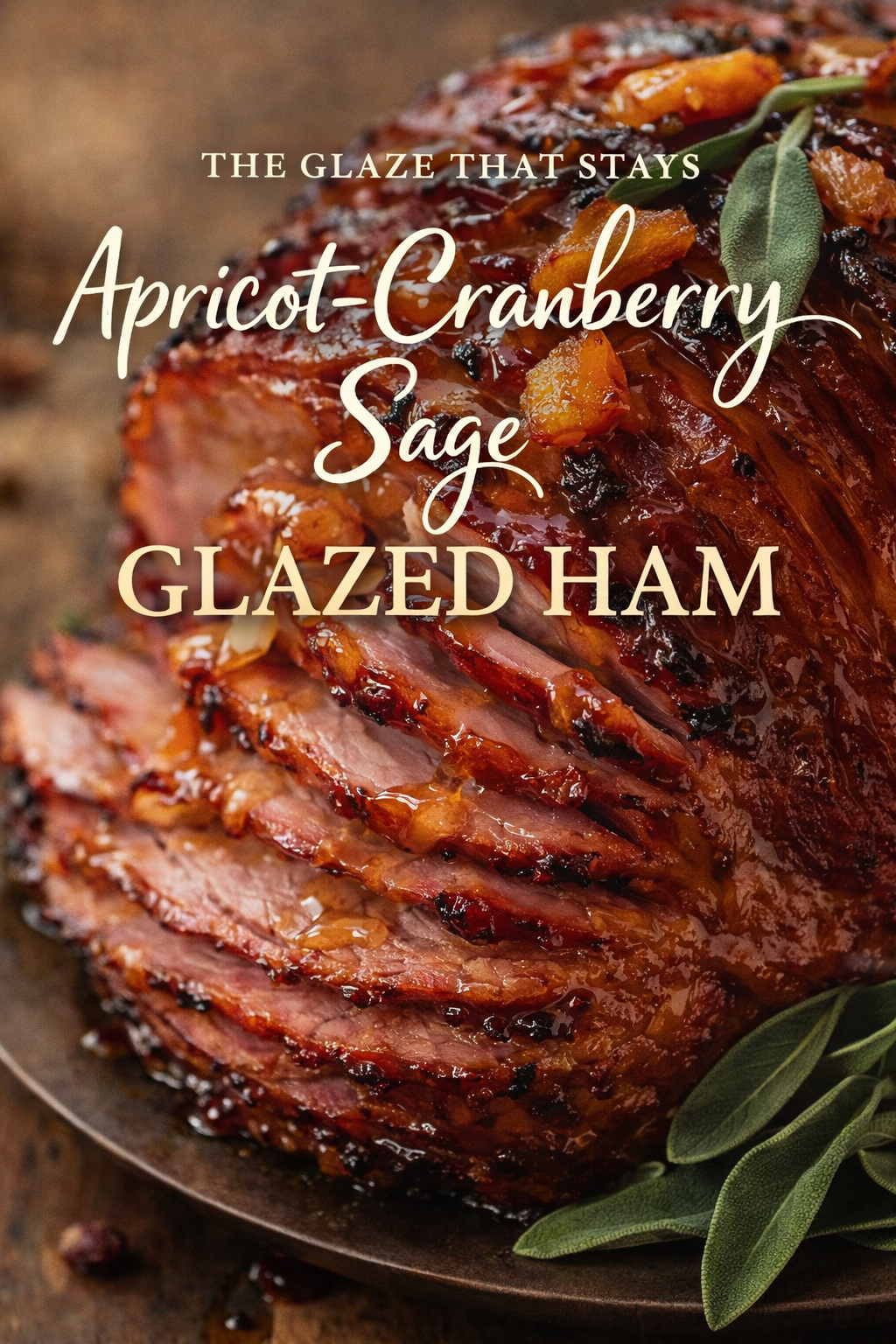
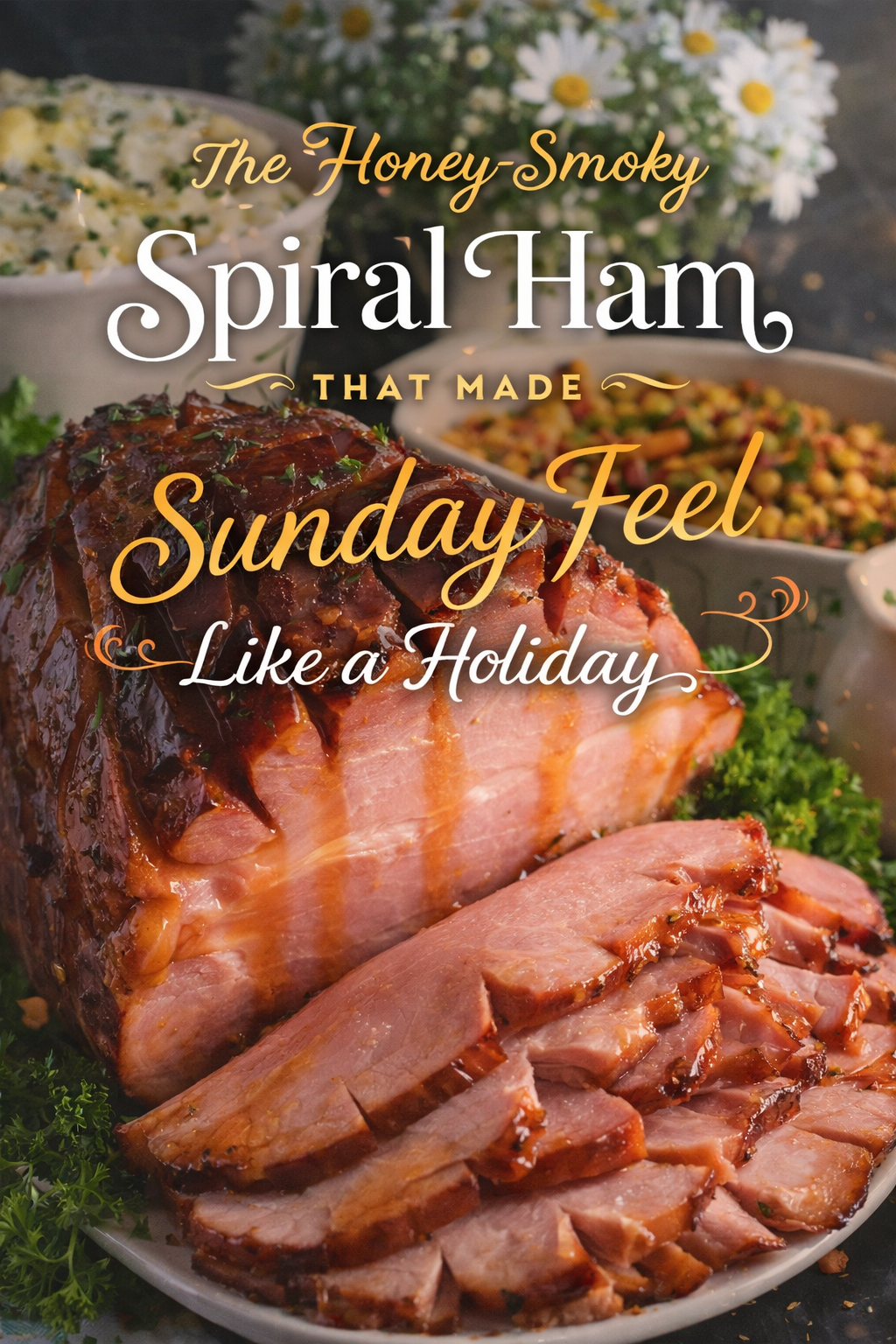
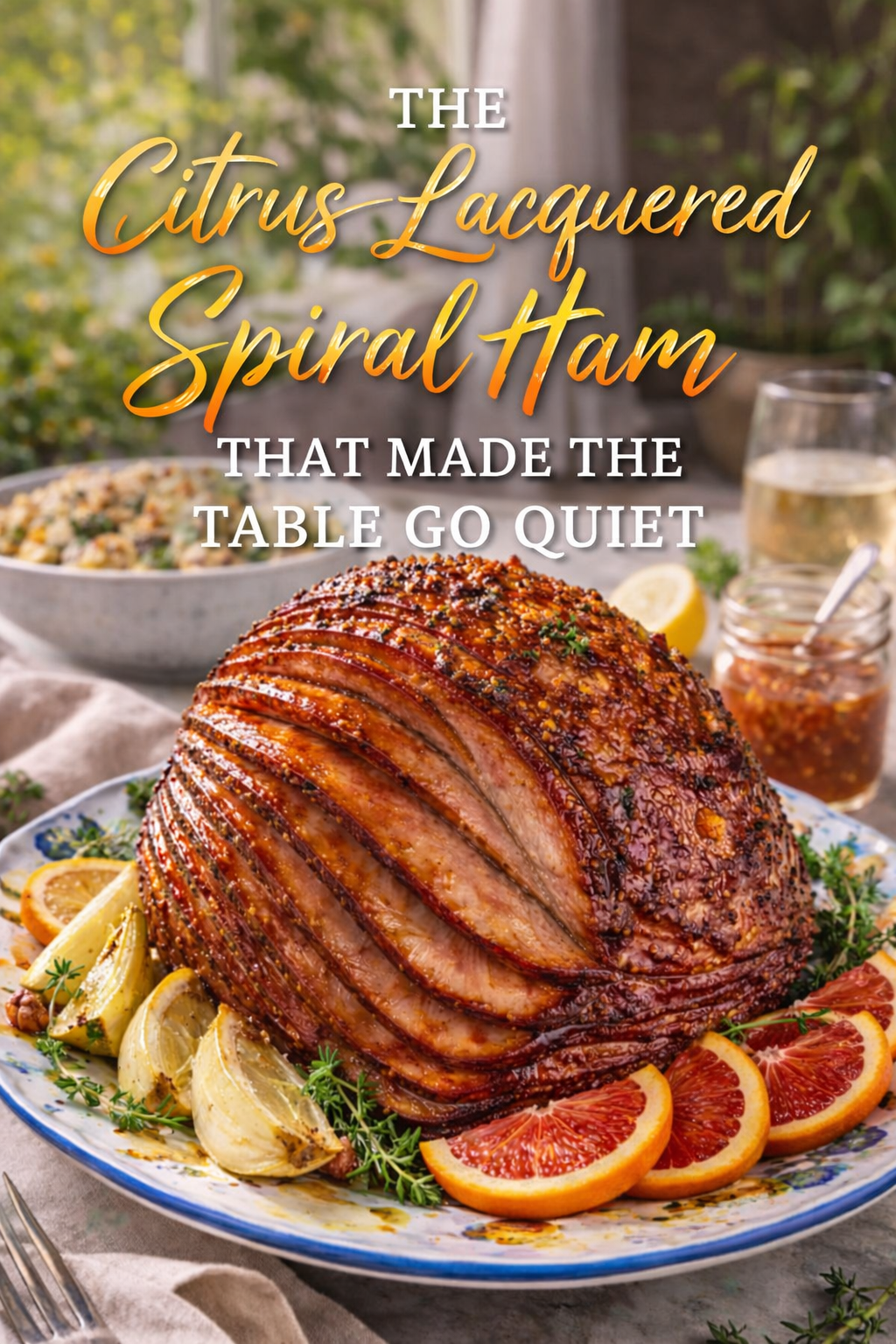
Morning light slips through soft curtains and lands right where it should—on the lacquered curve of a ham that looks almost too glossy to be real. The glaze has settled into the spiral slices like amber varnish, catching every ridge and edge, pooling in the shallow valleys where spice and sweetness meet. Pineapple rings sit on top like golden medallions, each crowned with a ruby cherry that gleams with that unmistakable holiday shine—part retro, part irresistible. Around the platter, citrus wedges glow like little lanterns, and curls of parsley bring a fresh, green snap that makes the whole scene feel alive, not staged—just beautifully cared for.
There’s a particular kind of comfort in a centerpiece that doesn’t apologize for being generous. This ham is warm and proud, built for passing plates, for someone reaching back in for “just one more slice,” for the quiet satisfaction of a table that looks like it’s been waiting for you. The scent is the first invitation: brown sugar melting into butter, pineapple syrup caramelizing at the edges, a whisper of clove and peppery warmth, and that savory undercurrent that only slow heat can coax from pork. It’s the aroma that drifts down the hallway and pulls people toward the kitchen without a single word.
On the counter, everything you need feels tactile and simple—nothing fussy, just the right tools doing honest work. A sturdy roasting pan with high sides cradles the ham while the glaze gathers underneath, turning into a basting liquid that tastes like the best kind of patience. A silicone basting brush makes the ritual easy: sweep, shine, repeat—each pass deepening color and flavor. And when the kitchen starts to hum, that quiet confidence comes from knowing exactly when it’s ready, thanks to an instant-read meat thermometer that takes the guesswork out of perfection.
The beauty is how the flavors feel like sunlight: pineapple brightening the richness, brown sugar rounding everything into a caramel hush, a small bite of mustard keeping the sweetness from tipping too far. You can hear the soft sizzle when the glaze hits the hot surface, see tiny bubbles form and pop near the edges, watch the ham go from “almost there” to “how is this so shiny?” in a matter of minutes. Even the finishing touches—the cherries, the citrus, the green—feel like a promise that the first bite will taste as cheerful as it looks.
And then there are the little background details that make it feel like a real day unfolding: a plate of rolls waiting like a warm suggestion, a vase of tulips lifting everything into springtime, the sense that the room is dressed in brightness. This is the kind of food that doesn’t need a speech. It just needs a sharp knife, a steady hand, and people who are happy to linger. When the platter hits the table, it’s not a performance—it’s a soft exhale, a signal that you can finally settle in.
If you like your gatherings to feel effortless but still unforgettable, this is the centerpiece that does the work for you. A razor-sharp carving knife makes those spiral slices fall into place like pages in a well-loved book, and a large oval serving platter gives the whole arrangement room to look as abundant as it tastes. The rest is just warmth, light, and that first glossy slice that tells everyone exactly what kind of day it’s going to be.
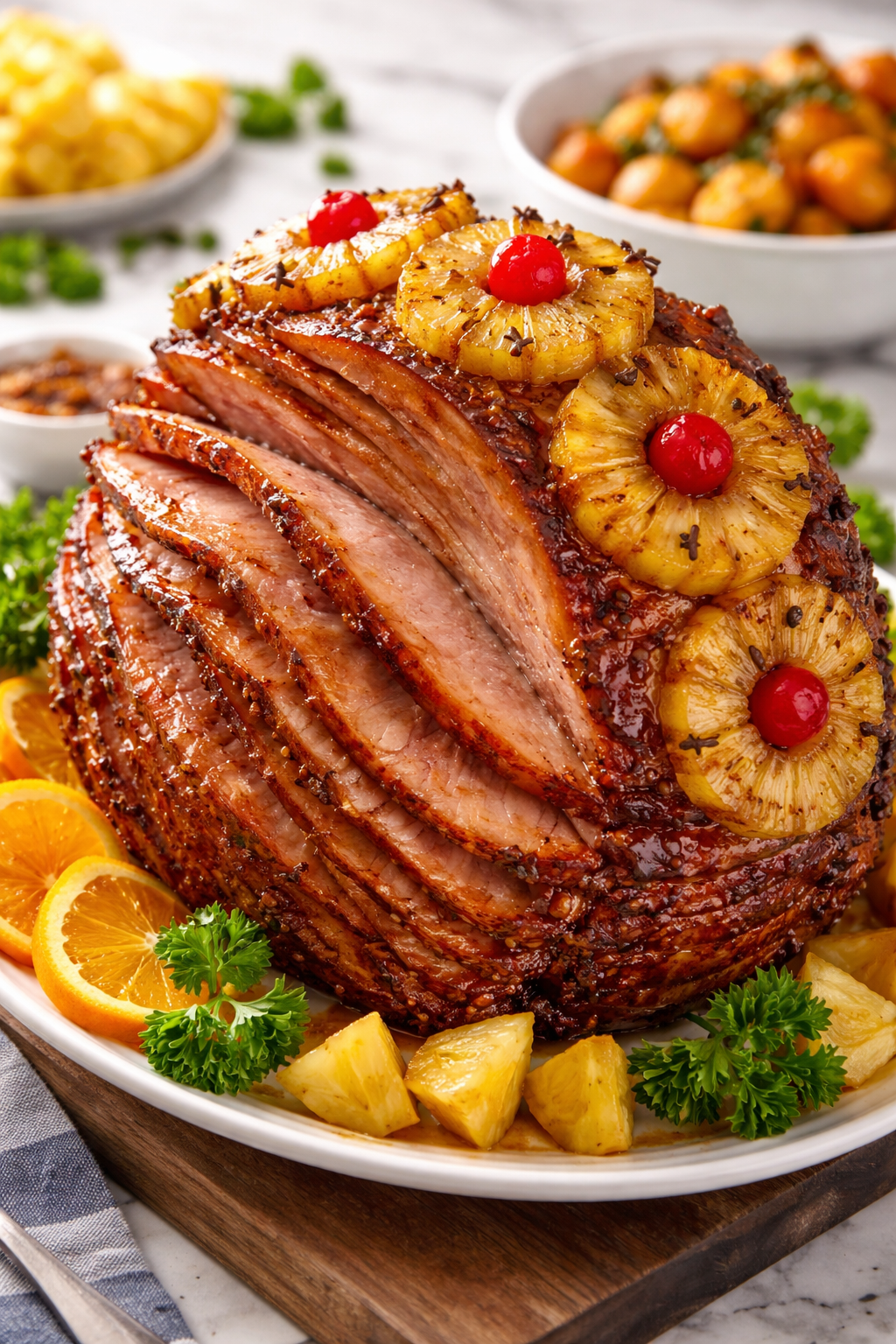
Classic Brown Sugar + Pineapple Glazed Ham
A sweet-savory glazed ham with caramelized brown sugar, pineapple, and cherry-bright finishing touches—built for easy carving and a showstopping platter.
Ingredients
- 1 fully cooked spiral-cut ham (8–12 lb)
- 1 cup packed brown sugar
- 1/2 cup pineapple juice (from canned pineapple rings or bottled)
- 1/3 cup honey or maple syrup
- 2 tbsp Dijon mustard
- 2 tbsp unsalted butter
- 1 tbsp apple cider vinegar (or fresh orange juice)
- 1/2 tsp ground cloves (optional) or 10–15 whole cloves (optional)
- 1/2 tsp black pepper
- Pineapple rings (for topping)
- Maraschino cherries (for topping)
- Orange slices + parsley (optional garnish)
Method
- Preheat oven to 325°F. Place ham cut-side down in a roasting pan. Add 1 cup water to the bottom of the pan. Cover tightly with foil.
- Bake 10–12 minutes per pound, until the internal temperature reaches 140°F (for fully cooked ham).
- Meanwhile, make the glaze: In a saucepan, combine brown sugar, pineapple juice, honey (or maple), Dijon, butter, vinegar (or orange juice), cloves (if using), and pepper. Simmer 3–5 minutes until glossy and slightly thickened.
- During the last 30 minutes of baking, uncover the ham and brush generously with glaze. Repeat brushing every 10 minutes.
- In the final 10–15 minutes, arrange pineapple rings on top and add cherries in the centers. Brush lightly with glaze and return to the oven until caramelized.
- Rest 15–20 minutes. Carve, garnish with oranges and parsley, and serve warm.
The secret to a ham like this isn’t complexity—it’s timing, temperature, and a glaze that behaves like satin. When you treat a fully cooked spiral ham like something you’re warming and dressing (not aggressively “cooking”), you get slices that stay juicy and tender, with edges that caramelize instead of drying out.
Start with the right setup. A ham is heavy and it throws off a lot of sweet drippings, so use a deep roasting pan with a rack if you have one. The rack keeps the bottom from sitting directly in liquid, which helps the surface glaze instead of steam. If you don’t have a rack, crumple foil into thick coils and nestle the ham on top—simple, effective, and surprisingly stable.
1) Positioning the ham (why cut-side down matters)
Place the ham cut-side down. That spiral face is where moisture escapes fastest. When it sits against the pan, it’s protected from direct oven heat and it essentially self-bastes from the inside out. Add a cup of water (or pineapple juice) to the pan—just enough to create gentle steam under the foil. Steam is your insurance policy against dryness; it warms the meat evenly while the fat slowly relaxes.
Cover tightly with foil. Tight coverage matters more than people think. Loose foil vents steam, and the ham can dry at the edges before the center is warm. A wide roll of heavy-duty foil makes this easier, especially for bigger hams where seams can leak.
2) Warming phase: low and steady
Bake at 325°F, estimating 10–12 minutes per pound. Since the ham is already cooked, your real target is temperature, not time. Check the thickest section with an instant-read thermometer. Aim for 140°F. If you push much beyond that, spiral slices can tighten, especially near the outer layers, and you’ll lose that plush bite.
Troubleshooting tip: If your ham is smaller (like 6–7 lb) or very tightly spiraled, it may warm faster than expected. Start checking early—about 45 minutes before you think it’ll be done.
3) Building a glaze that clings
A great glaze is a balance of sweet, acid, and a tiny bit of bite. Brown sugar gives depth and that classic caramel finish; pineapple juice adds brightness; Dijon acts like a flavor anchor, keeping sweetness from tasting flat. A small splash of vinegar (or fresh orange juice) sharpens everything so the final bite feels lively.
Use a small saucepan and simmer just until glossy—3 to 5 minutes. You’re not making candy; you’re dissolving sugar, melting butter, and reducing slightly so it coats the back of a spoon. If you want a deeper spiced note, add ground cloves, or press whole cloves into the outer surface of the ham before glazing. Whole cloves read more “old-school holiday,” while ground clove feels subtler and more modern.
If your glaze seems thin, don’t panic. It thickens as it cools, and it thickens even more the moment it hits a hot ham. A silicone whisk helps keep it smooth without scorching the sugar on the bottom of the pot.
4) Glazing phase: the final 30 minutes
This is where shine happens. Uncover the ham during the last 30 minutes and begin brushing generously. The first coat soaks in and sets a base layer. After that, glaze builds like lacquer—each pass adds color and the tiniest layer of caramel.
Brush every 10 minutes. This cadence matters: too often and you’re just moving liquid around; too rarely and you miss the layering effect. A soft silicone basting brush is ideal because it drags glaze into the spiral seams without tearing the surface.
Watch for hot spots. Most ovens run a little uneven, and sugar can darken quickly. If one side is browning faster, rotate the pan. If the top looks like it’s heading toward “too dark,” tent loosely with foil for the last stretch.
5) Adding pineapple rings and cherries (and keeping them in place)
Add the pineapple rings near the end—final 10 to 15 minutes. If you place them too early, they can dry and shrivel. Late placement keeps them juicy while still letting edges caramelize. Pat the rings dry first; moisture prevents browning. Then nestle cherries into the centers. The fruit isn’t just decoration—it contributes syrupy sweetness that drips into the glaze.
If pineapple slides, secure it with toothpicks. Just remember to remove them before serving. A set of bamboo toothpicks works perfectly and disappears visually.
6) Resting: the step that protects juiciness
Rest the ham 15–20 minutes before carving. Resting lets the juices redistribute and slightly thickens the glaze so it clings instead of running. Tent lightly with foil—don’t wrap it tight or you’ll steam-soften that caramelized surface you worked for.
7) Carving: getting clean slices from a spiral ham
Spiral hams are friendly, but they still benefit from a sharp blade. Use a long carving knife and follow the natural lines. If slices start to fall apart, that’s normal—spiral cuts are meant to separate easily. Lift portions with a fork or small spatula and arrange them in overlapping layers on a platter so the glaze stays visible.
Flavor variations (still classic, just tailored)
- Smoky bourbon pineapple: Replace 2 tbsp pineapple juice with bourbon and add a pinch of smoked paprika.
- Orange-ginger shine: Add orange zest and 1 tsp grated ginger to the glaze.
- Maple-mustard balance: Use maple syrup instead of honey and bump Dijon to 3 tbsp.
- Clove-forward holiday: Stud the ham with whole cloves and add a cinnamon stick to the glaze while it simmers (remove before brushing).
Substitutions that work
- No pineapple juice? Use orange juice or apple juice.
- No Dijon? Use yellow mustard plus a teaspoon of honey for roundness.
- Want less sweet? Cut brown sugar to 3/4 cup and increase vinegar by 1 tbsp.
Common issues and quick fixes
- Glaze burning: Lower oven to 300°F for the final 20 minutes and tent loosely with foil.
- Ham drying out: You likely overheated it. Next time, pull at 140°F and keep it covered longer. For today, spoon pan juices over slices and serve with extra warmed glaze.
- Glaze too thick: Whisk in a tablespoon of warm juice at a time until brushable.
- Not enough drippings: Add a splash of juice or water to the pan halfway through warming.
Finish with citrus slices and parsley around the platter for that bright, abundant look—fresh green against mahogany glaze, gold pineapple, and cherry-red shine. It’s the kind of centerpiece that makes the room feel lighter the moment it arrives, and the kind of flavor that keeps everyone hovering near the kitchen, hoping to catch the first slice.