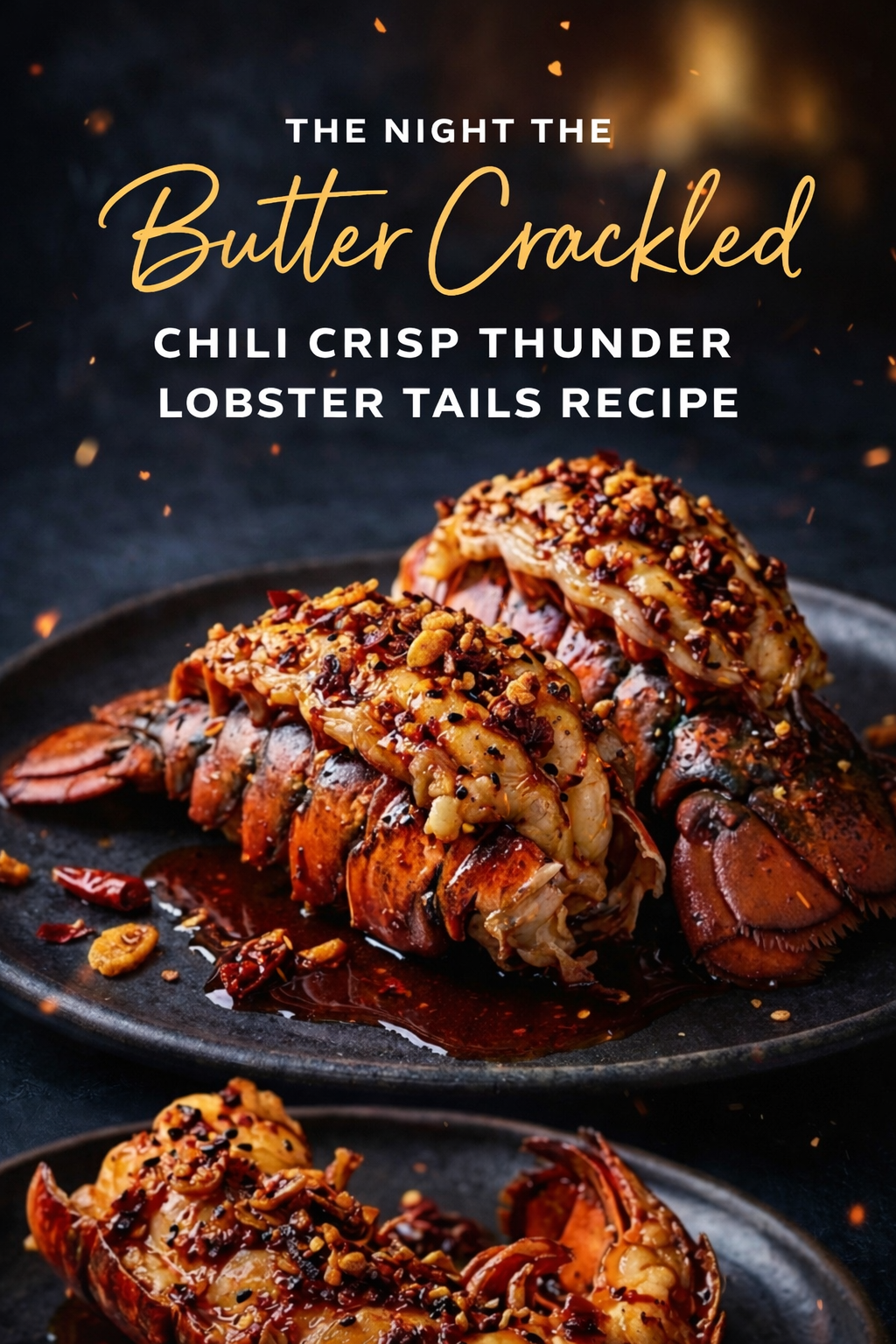
The Night the Butter Crackled Chili Crisp Thunder Lobster Tails Recipe
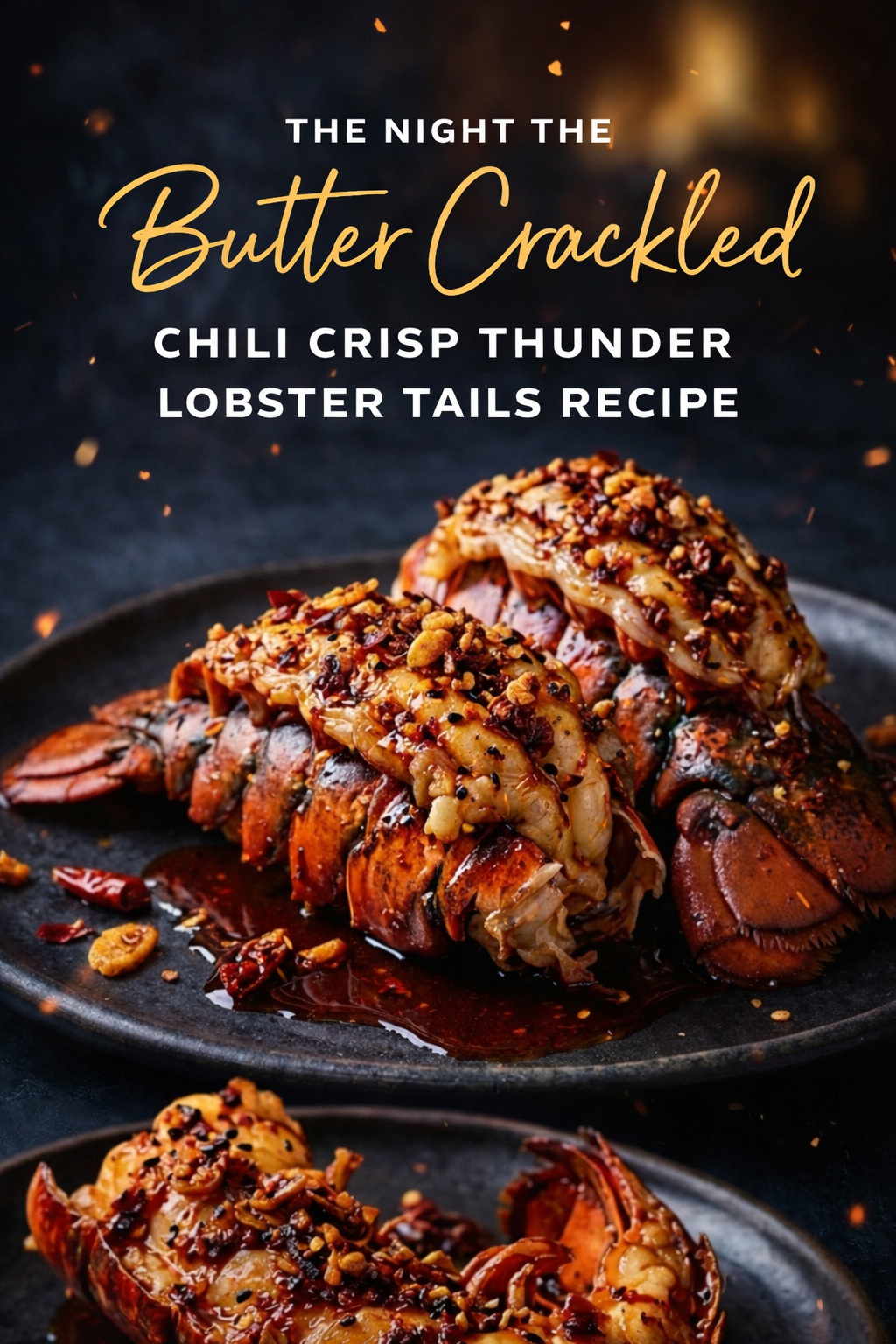
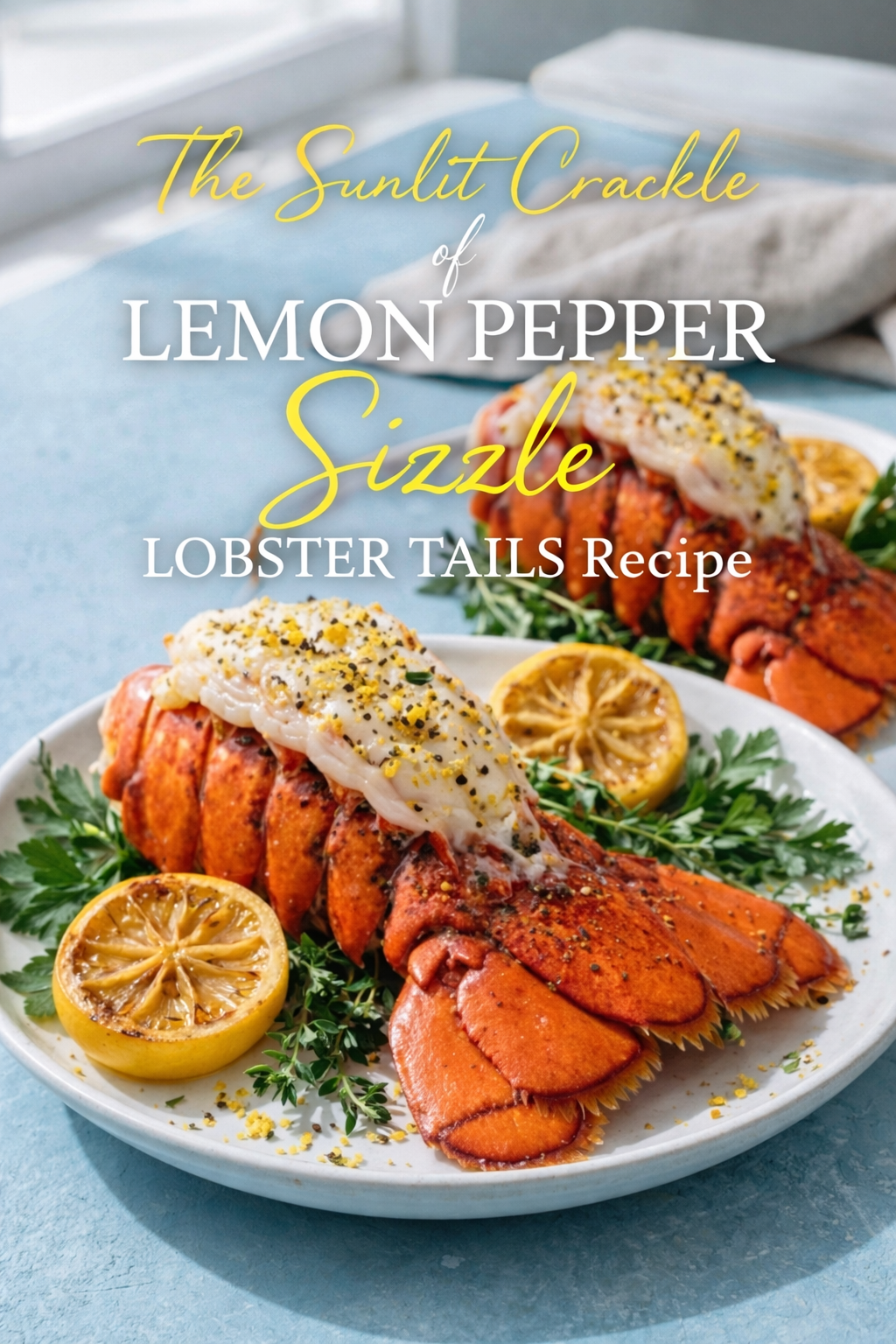
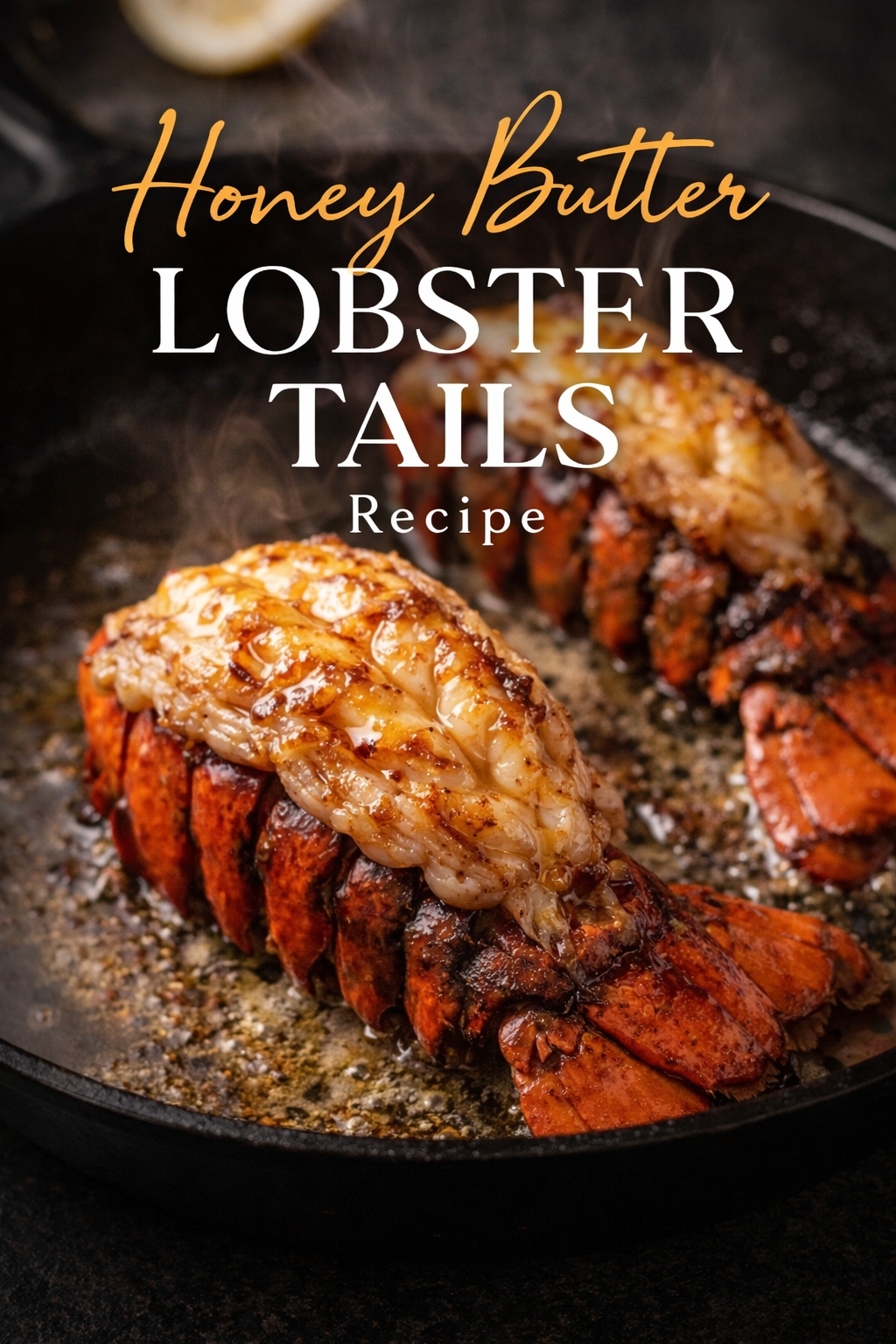
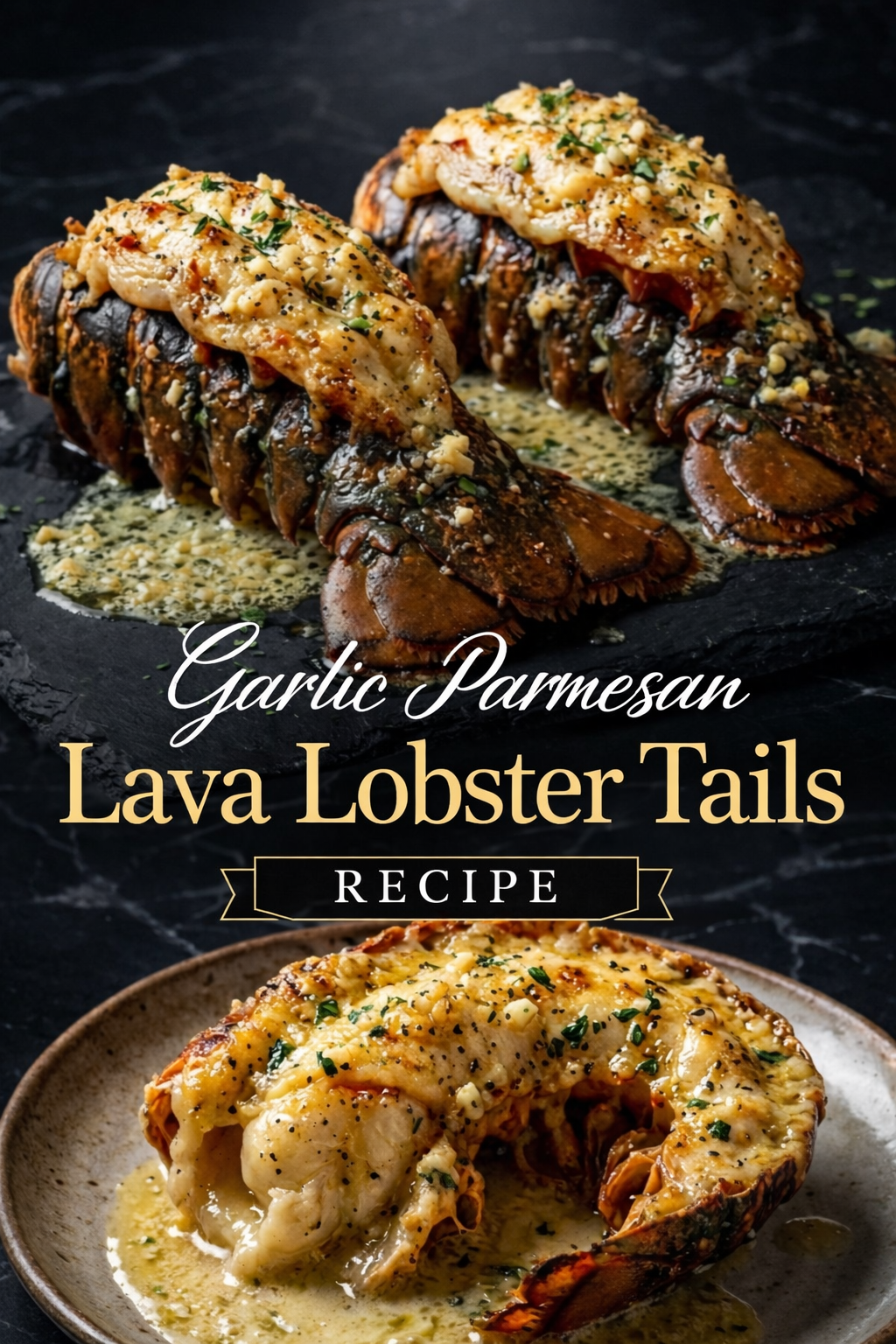
The first thing you notice is the shine. Not the loud kind, not the sticky glaze that screams dessert, but that deep lacquered sheen that only happens when butter meets heat and decides to become something bigger than itself. Lobster tails sit heavy on dark plates, their shells burnished like polished copper, their meat crowned with a molten ribbon of chili crisp and toasted bits that look like they were caught mid sizzle. The sauce pools around them in slow, glossy arcs, the kind that clings to the rim of a spoon and refuses to let go. Everything about the scene feels like a late hour kitchen moment, lights low, appetite high, the air warm with spice and browned butter.
Chili crisp has a way of making luxury feel mischievous. It brings crunch where you expect silk, heat where you expect sweetness, and that savory depth that makes seafood taste even more ocean braced and decadent. When it lands on lobster, it is not a gentle pairing. It is a spark. The richness of the meat becomes fuller, rounder, almost caramel kissed, while the chili oil threads through every bite like a humming bassline. A spoonful of chili crisp with crunchy aromatics turns into the signature, the thing people remember the next day when they are trying to explain why that dinner felt like a small event.
The beauty of lobster tails is their drama with very little effort. They arrive already shaped like a celebration, and they cook fast, which means the window between anticipation and payoff is mercifully short. That is exactly why the supporting cast matters. You want tools that make the process feel clean and confident. A sharp, steady kitchen shears for cutting lobster shells changes everything, turning the prep into a simple zip and lift instead of a wrestling match. And if there is one thing that makes this recipe feel restaurant polished, it is precision with heat. A responsive cast iron skillet or a heavy pan that holds temperature gives you that quick sear, that browned butter edge, that little kiss of char on the shell.
The sauce is the secret thunder. Butter foams, garlic turns golden, and the air goes from quiet to magnetic in seconds. You can smell it before you can name it, that toasty, almost nutty perfume of butter browning, layered with the savory bite of garlic and the faint sweetness of caramelizing sugar. Then the chili crisp joins, and suddenly the kitchen smells like a late night street food stall and a white tablecloth place at the same time. A splash of soy sauce or tamari pulls the whole thing into focus, and a squeeze of citrus snaps it bright at the end. Keeping soy sauce and toasted sesame oil nearby makes the flavor feel intentional, like you planned the entire mood.
Plating matters here, not because it needs to be precious, but because this is food that deserves a stage. Dark plates make the reds and ambers glow, and the sauce looks almost like velvet against the matte surface. A sprinkle of sesame seeds catches the light like tiny sparks. Crispy garlic chips scatter like edible confetti. Even the shell becomes part of the visual, rugged and glossy, framing the meat like a jeweled crown. If you want that same finish, a small basting spoon helps you paint the lobster with sauce while it cooks, layering shine and flavor without fuss.
There is also something deeply satisfying about how fast it all comes together. This is not the kind of dish that asks you to babysit it for hours. It asks you to be present for ten minutes, to listen for the butter’s change in sound, to watch the garlic shift from pale to golden, to notice when the lobster turns opaque and plump and ready. The reward is immediate. The first bite is hot, buttery, spicy, and sweet in the tiniest way, and then the crunch of chili bits pops like a drumbeat. The lobster stays tender, the sauce clings, and every forkful feels like the best part of the meal.
This is the kind of recipe that fits multiple versions of your life. It can be a date night flex with candles and a playlist that makes the room feel softer. It can be a solo dinner that feels like self respect on a plate. It can be a small gathering where everyone quiets down after the first taste because the flavor is doing the talking. And it can be made with the kind of pantry pieces that become permanent once you start using them. A jar of chili crisp, a bottle of sesame oil, a good soy sauce, and a microplane zester for that last citrus lift are the kind of small upgrades that make weeknight food feel like it has a story.
The image holds that story perfectly. The lobster is not just cooked, it is glossed, crowned, and finished with purpose. The sauce is not just drizzled, it is pooled like a promise. The crunch is not just garnish, it is texture, heat, and aroma all at once. This is seafood that feels bold, a little reckless in the best way, and completely worth the napkin situation. Chili Crisp Thunder Lobster Tails are here for the nights when you want dinner to feel like a moment, not a routine.
Recipe
These Chili Crisp Thunder Lobster Tails are butter basted, glossy, and boldly spiced, finished with crunchy chili crisp and a bright citrus snap.
Ingredients
- 4 lobster tails, 4 to 6 ounces each
- 4 tablespoons unsalted butter
- 2 tablespoons chili crisp, plus more for serving
- 3 cloves garlic, finely minced
- 1 tablespoon soy sauce or tamari
- 1 tablespoon brown sugar or honey
- 1 teaspoon toasted sesame oil
- 1 tablespoon fresh lime juice or lemon juice
- 1 teaspoon sesame seeds
- 2 tablespoons sliced scallions, optional
- Pinch of salt, as needed
- Optional garnish: crispy garlic chips or fried shallots
Instructions
- Using kitchen shears, cut the top of each lobster shell down the center. Gently lift the meat and rest it on top of the shell.
- Pat lobster dry and lightly salt the meat.
- Melt butter in a skillet over medium heat. Add garlic and cook 30 to 45 seconds until fragrant.
- Stir in chili crisp, soy sauce, brown sugar, and sesame oil. Let the sauce bubble gently for 30 seconds.
- Add lobster tails shell side down. Spoon sauce over the meat continuously for 5 to 7 minutes, until the meat is opaque and reaches 140 to 145 degrees.
- Remove from heat. Add citrus juice to the pan and spoon the glossy sauce over the lobster.
- Finish with sesame seeds, scallions, and an extra spoon of chili crisp. Serve immediately.
Step by Step Guide
Start with the lobster tails and set yourself up for control. The easiest way to prep them is to cut straight down the top of the shell with seafood friendly kitchen shears. Keep the blade centered, then gently spread the shell and lift the meat. The goal is to perch the meat on top like a little saddle so it cooks evenly and looks dramatic without extra effort. Pat the meat dry with paper towels. Dry surface equals better basting and a cleaner finish.
Salt lightly and keep it simple. Lobster is naturally sweet and briny, so you are not trying to season it like steak. A small pinch is enough. If your chili crisp is very salty, you can skip salt entirely and let the sauce do the work.
Now build the sauce foundation. Choose a pan that holds heat well. A heavy cast iron skillet gives you steady temperature, which matters because butter can turn from foamy and perfect to scorched fast if the heat spikes. Medium heat is the sweet spot. Add butter and let it melt fully, then watch for the foam. When the foam starts to settle and the butter smells slightly nutty, you are ready for garlic.
Add minced garlic and keep it moving. Garlic should bloom, not brown hard. If it turns dark, it will taste bitter and steal the spotlight. Thirty seconds is usually enough. You want fragrance that hits the air instantly and makes the kitchen feel alive.
Stir in chili crisp and let it melt into the butter. This is where the dish becomes itself. Use a jar that has plenty of crunchy bits, not just oil. Something like chili crisp with fried garlic or shallot pieces gives you texture that survives the heat. Add soy sauce or tamari next. A good tamari is especially nice if you want a slightly rounder flavor. Then add a touch of brown sugar or honey. This is not to make it sweet, it is to create balance and gloss. The tiniest sweetness makes the heat feel smoother and the lobster taste more buttery.
Add a drop of toasted sesame oil and stir. Keep this light because sesame oil is powerful. It should whisper in the background, not shout. A high quality toasted sesame oil gives you that warm, roasted aroma that feels instantly luxe.
Now the lobster goes in. Place tails shell side down in the pan. You are not trying to deep cook them in liquid. You are basting them, which means the meat should sit above the sauce line as much as possible. Start spooning the hot butter chili mixture over the meat right away. A basting spoon makes this feel effortless, but any spoon works if you keep the motion steady.
Basting is the key step, and it is also the easiest place to win. Spoon, pause, spoon again. The hot fat cooks the surface gently while keeping moisture locked in. You will see the meat change from translucent to opaque. You will also see it plump. That is when you pay attention to temperature. Lobster is best when it is just done. Overcooked lobster tightens and loses that silky snap. If you have one tool that makes seafood consistently perfect, it is a digital instant read thermometer. Pull the lobster when the thickest part reads 140 to 145 degrees. Carryover heat will finish it.
If the sauce seems too thick, lower the heat. If it seems too thin, let it bubble for twenty seconds while you keep basting. The sauce should be glossy and clingy, not watery. If your chili crisp is very oily, you might need a little extra butter to round it out. If it is very chunky, you might want a splash of soy sauce to loosen it. This is a flexible sauce, and that is part of the charm.
Once the lobster is cooked, turn off the heat before you add citrus. Citrus cooked hard turns dull. Citrus added at the end tastes bright and clean. Squeeze in lime or lemon and stir. If you want the citrus to feel extra fragrant, use a microplane zester to add a little zest right over the pan. That aroma lifts the richness instantly.
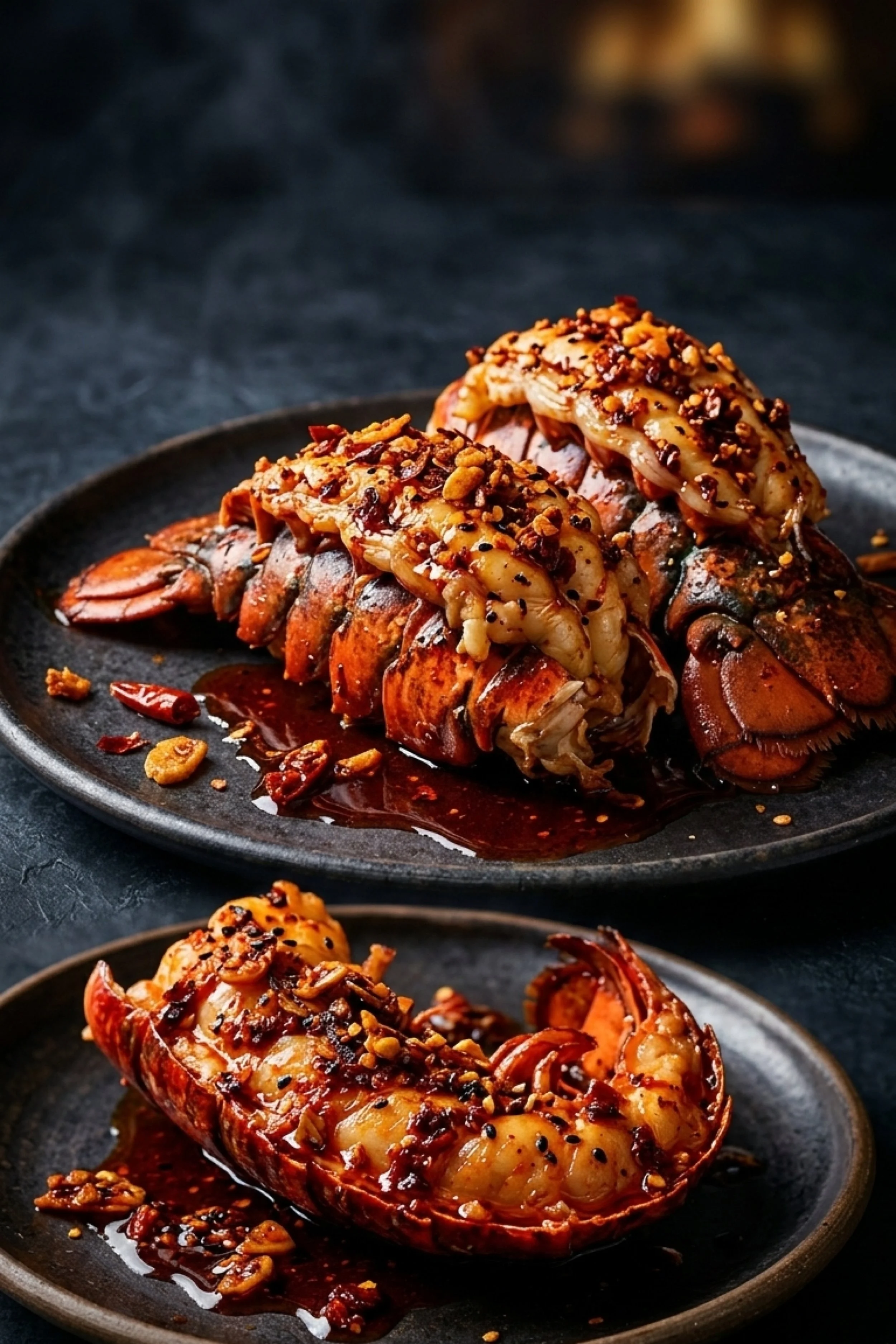
Now finish like the image. Spoon the sauce over the lobster generously. Add sesame seeds and scallions if you like. If you want that extra crunchy look, sprinkle crispy fried garlic or fried shallots over the top. The crunch matters because it gives contrast to the tender meat and makes every bite feel layered.
Troubleshooting is simple. If the lobster is curling hard and looking tight, your heat is too high or it stayed in too long. Lower heat, baste more gently, and rely on the thermometer. If the sauce tastes too spicy, add a tablespoon of butter and a squeeze more citrus. If it tastes flat, add a pinch of salt or a tiny splash more soy sauce. If it tastes too salty, add butter and a touch more honey.
Variations can shift the mood without changing the method. Add a teaspoon of grated ginger with the garlic for extra brightness. Add a pinch of smoked paprika for a deeper, almost ember like note. Swap lime for yuzu if you have it. Serve over rice, noodles, or a simple green salad. For serving, having a bowl of steamed jasmine rice on the side turns the extra sauce into the best part of the plate.
The final move is confidence. Lobster tails cook fast. The sauce comes together even faster. Keep your heat steady, baste like you mean it, and pull at the right temperature. The result is glossy, spicy, buttery luxury that looks dramatic, tastes even louder, and leaves the kind of craving that feels like thunder.