The Golden Silk Pineapple Passion Fruit Cheesecake Recipe
More like this
💡 Pro Tip: Why I Link to Amazon Search Results and Not One Product
In the Shop the Look and Style it With sections under each bikini, I link to Amazon search results, not single products. Here’s why this matters:
Hot bikinis sell out fast. I don’t want you clicking on a dead link to a sold-out item. Search pages stay updated.
You get more options. Love the vibe but want a different color, cut, or price point? The search results give you everything that matches the look and energy.
I curate each search carefully. These aren’t generic. I spend hours crafting keywords that bring up exactly the kind of bikinis I’d wear—or recommend to my hottest friends.
Support with no pressure. If you click a link, browse, and buy something later, I may earn a small commission at no extra cost to you. That helps me keep bringing you curated collections like this one—powerful, seductive, and always fresh.
So dive in. Click through. Try something risky. These aren’t just bikinis—they’re commands, statements, and maybe even your new favorite weapon of choice.
Introduction
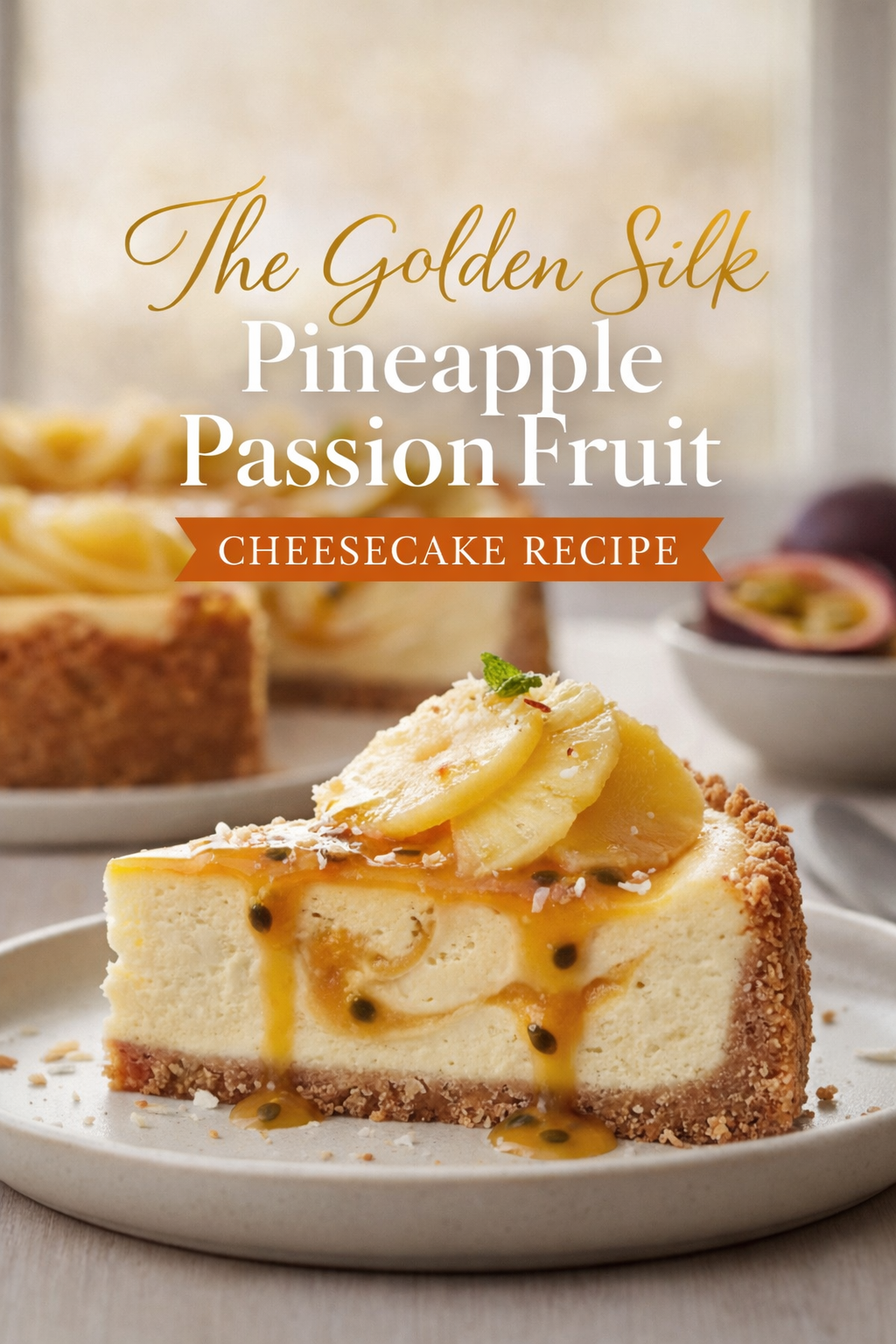
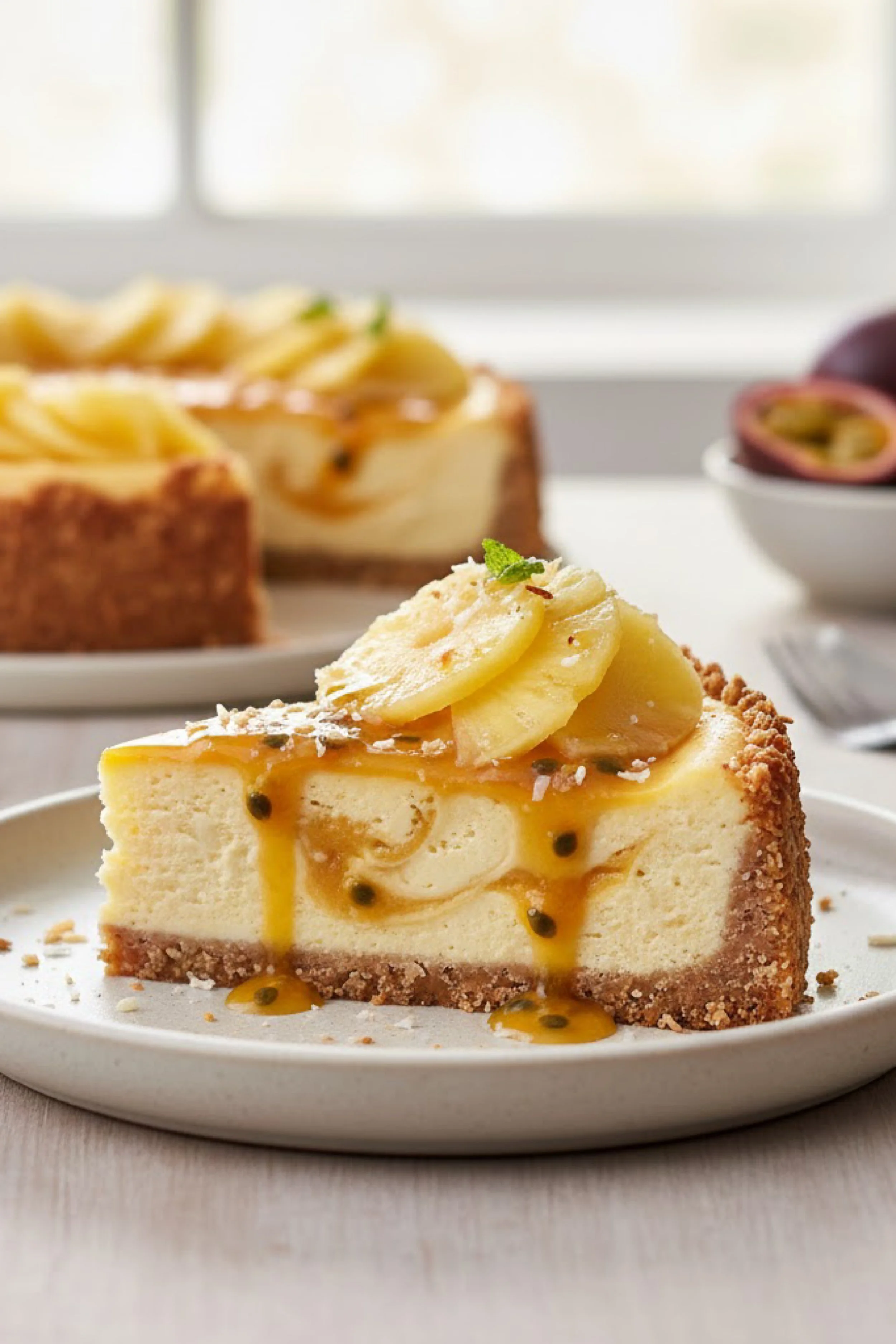
There is something almost dreamlike about a cheesecake that arrives wearing sunshine. The first thing that pulls the eye is the color. Not loud, not neon, not overly styled into something artificial, but warm and luminous in that soft tropical way that feels lifted from a bright kitchen somewhere near open windows and slow afternoon light. The slice stands tall and smooth on the plate, creamy and pale at the center with a crumb crust hugging the base and edges, while a glossy ribbon of passion fruit sauce drifts down the sides in golden streaks. On top, the pineapple is fanned into delicate layers that look almost candied in the light, and the whole scene carries that rare balance between elegance and comfort. It feels special, but never fussy.
The beauty of a dessert like this is the contrast it promises before the first bite even happens. Cheesecake is known for richness, density, and that luxurious creaminess that lingers slowly. Pineapple and passion fruit bring the opposite energy. They are bright, fragrant, vivid, and alive with acidity. Together they create a kind of dessert tension that makes every forkful more interesting than the last. The creamy filling settles on the palate with that familiar velvety calm, then the fruit cuts through with sparkle and fragrance, waking everything back up again. It is the kind of combination that feels polished enough for a dinner party yet joyful enough for a weekend when you simply want your kitchen to feel beautiful.
This style of cheesecake belongs to a certain mood. It is not heavy holiday baking with spice and deep brown sweetness. It is not the dramatic darkness of chocolate or espresso. It leans toward freshness, brightness, and softness. The pale ivory interior, the honey gold topping, the gentle crumble of the crust, the tiny flecks of passion fruit seed suspended in the glaze all suggest a dessert meant for daylight. It belongs beside linen napkins, pale ceramic plates, and the kind of serving moment where people pause before cutting into it because the top looks too pretty to disturb. A dessert like this makes the table feel lifted.
Texture is everything here. The crust should feel crisp and buttery, providing that slight resistance before the filling gives way. A dependable springform pan for clean cheesecake release helps create those sharp, bakery worthy edges that make each slice look composed rather than collapsed. Inside, the filling should be dense without being dry, creamy without being loose, and smooth enough that the knife glides through with almost no drag. That silky texture is one reason bakers often rely on a full fat cream cheese base and mix with patience rather than speed. Even the topping matters in layers. Fresh pineapple gives body and soft chew, while the passion fruit glaze adds movement, perfume, and a glossy finish that makes the whole dessert catch the light.
The flavor profile feels especially luxurious because it never rushes into sweetness. Pineapple has a floral brightness that can move from sharp to mellow depending on ripeness. Passion fruit, on the other hand, brings that unmistakable tropical tang, almost citrusy but deeper and more aromatic. When those fruits meet a rich cheesecake filling, they do not just sit on top as decoration. They reshape the entire experience. Every creamy bite becomes lighter, cleaner, and more vivid. A smooth fine mesh strainer for silky fruit sauce can help refine the glaze if you want the topping to feel especially polished, while still leaving enough seeds for that beautiful jewel like look if that is your preference.
What makes this dessert feel elevated is how intentional each element can be. The crust is not only a base. It introduces warmth from butter and a toasted note from the crumbs. The filling is not simply sweetened cheese. It becomes a quiet canvas for vanilla, citrus, and cream. The topping is not an afterthought. It is the bright final flourish that gives the cheesecake identity. If you enjoy building layered desserts, small details matter. A sturdy offset spatula for smoothing cheesecake tops makes the surface look graceful before baking, and a microplane zester for lifting the filling with citrus adds that subtle brightness that quietly supports the tropical fruit without competing with it.
There is also a nostalgic softness to a cheesecake like this. It feels connected to those old fashioned dessert tables where something creamy and beautiful always held the center, but it also feels lighter and more current because of the fruit. The passion fruit drizzle gives it movement. The pineapple topping gives it shape. Together they turn a familiar dessert into something with destination energy. You can imagine it after a grilled dinner on a warm evening, at a spring gathering, or as the kind of chilled dessert brought out when the room has settled into long conversation and everyone wants one more beautiful thing before the night ends.
The visual setting matters because this cheesecake is almost cinematic in a quiet way. The plate is simple. The background is soft. The slice is front and center, and yet there is a whole cake waiting just behind it, promising abundance. That detail changes the feeling. This is not the last slice rescued from a bakery box. It is part of a full, generous dessert meant to be shared. It suggests ease, confidence, and hospitality. A good cake carrier for chilled desserts and gatherings becomes surprisingly useful when you want that same composed look to survive the trip from kitchen to table somewhere else.
And then there is the anticipation of serving it. Cheesecake always asks for patience. It asks you to cool, chill, wait, and trust the process. But that patience pays off in a dessert that feels intentional from the inside out. When the first slice comes away cleanly and the glaze begins to fall down the sides in bright golden lines, it feels like one of those kitchen moments that fully delivers on its promise. Rich yet fresh, elegant yet generous, tropical yet grounded in classic technique, this is the kind of dessert that turns a simple afternoon craving into something that feels a little bit like occasion.
Recipe
A creamy baked cheesecake with a buttery crumb crust, finished with pineapple and a glossy passion fruit topping. Chill thoroughly before serving for the cleanest slices and the best texture.
Ingredients
For the crust
- 2 cups graham cracker crumbs
- 6 tablespoons unsalted butter, melted
- 2 tablespoons granulated sugar
For the filling
- 24 ounces full fat cream cheese, softened
- 3/4 cup granulated sugar
- 3 large eggs
- 1 cup sour cream
- 1 teaspoon vanilla extract
- 1 tablespoon fresh lemon juice
- 1 tablespoon all purpose flour
For the topping
- 1 1/2 cups pineapple, thinly sliced or cut into small pieces
- 1/2 cup passion fruit pulp
- 1/4 cup granulated sugar
- 1 teaspoon cornstarch
- 1 tablespoon water
- Optional fresh mint and a little finely grated coconut for garnish
Instructions
- Preheat the oven to 325 degrees Fahrenheit. Wrap the outside of a 9 inch springform pan in foil if using a water bath.
- Mix the graham cracker crumbs, melted butter, and sugar until evenly combined. Press firmly into the bottom and slightly up the sides of the pan. Bake for 8 to 10 minutes, then cool slightly.
- Beat the cream cheese and sugar until smooth. Add the eggs one at a time, mixing on low just until incorporated. Blend in the sour cream, vanilla, lemon juice, and flour until silky.
- Pour the filling over the crust and smooth the top. Bake for 50 to 60 minutes, until the edges are set and the center still has a slight wobble.
- Turn off the oven, crack the door, and let the cheesecake rest inside for 1 hour. Remove and cool completely, then chill for at least 6 hours or overnight.
- For the topping, simmer the passion fruit pulp and sugar in a small saucepan. Stir together the cornstarch and water, add to the pan, and cook briefly until lightly thickened. Cool.
- Arrange the pineapple over the chilled cheesecake and spoon the passion fruit topping over the top.
- Slice with a warm knife. A sharp slicing knife for clean dessert cuts and a cake server for neat presentation make serving especially easy.
Step by Step Guide
A cheesecake like this rewards calm, steady baking more than dramatic technique. The ingredients are simple, but the order, temperature, and timing shape the final texture. The goal is a filling that feels rich and velvety rather than grainy or dense, a crust that holds together without becoming hard, and a topping that looks glossy and generous without turning watery on the surface.
Start with the cream cheese. This is one of the most important details in the entire recipe. If the cream cheese is too cold, it will not blend smoothly and you may end up with a lumpy batter no matter how long you mix. Softened cream cheese should feel pliable when pressed but not melted or oily. Let it sit at room temperature until it relaxes naturally. If your kitchen is cool, cutting the blocks into cubes speeds things up. A sturdy stand mixer for smooth cheesecake filling or a reliable hand mixer for creamy batters helps here, but speed matters less than restraint. Overmixing introduces extra air, and extra air can lead to puffing, cracking, and a less dense finish.
Next comes the crust. Graham cracker crust is classic because it gives buttery sweetness and just enough structure without competing with the filling. The crumbs should be fine and even. If you are crushing your own crackers, a food processor for fine cookie crumbs makes quick work of it, but a sealed bag and rolling pin also do the job well. When you combine the crumbs with melted butter and sugar, the mixture should feel like damp sand. Press it firmly into the pan, especially where the base meets the sides, since that corner is often where slices can break. Baking the crust briefly before filling helps set it and keeps it from becoming soggy once the cheesecake bakes.
When mixing the filling, beat the cream cheese and sugar first until fully smooth. Do not rush this stage. Once that base is silky, add the eggs one at a time on low speed. Eggs are essential for structure, but they also trap air easily, which is why low speed is your friend. After the eggs, blend in the sour cream, vanilla, lemon juice, and flour. Sour cream softens the richness and adds a cultured tang that keeps the cheesecake from tasting flat. Lemon juice does not make the filling taste lemony in an obvious way. Instead, it brightens the flavor so the tropical topping feels more connected to the cheesecake beneath it.
At this stage, look closely at the batter. It should be thick, glossy, and pourable, with no visible lumps. If you still see bits of cream cheese, stop and gently smooth them out before proceeding. Scrape down the bowl with a flexible silicone spatula for baking so the mixture is even from top to bottom. Pour the filling onto the crust and tap the pan lightly on the counter to release a few trapped bubbles. Then smooth the top. Even if fruit will cover it later, a level surface helps the cheesecake bake more evenly.
Baking is where many people become anxious, but cheesecake is more forgiving than its reputation suggests. The main thing to avoid is aggressive heat. A moderate oven gives the custard style filling time to set gradually. Some bakers like a water bath for extra insulation and steam. It can be very helpful, especially if you want the smoothest possible top. If you use one, wrap the springform pan well in heavy foil to keep water out. Place it in a larger pan and pour in hot water until it comes partway up the sides. If that feels too cumbersome, you can still make an excellent cheesecake without one by baking gently and cooling slowly.
Knowing when to remove the cheesecake is a skill worth learning. Do not wait until the center is fully firm in the oven. That usually means it has baked too long. The edges should look set, but the center should still have a slight wobble when nudged. It should move as one soft mass rather than ripple like liquid. That gentle wobble means the residual heat will finish the job without drying the filling. Turning off the oven and letting the cheesecake rest with the door cracked helps prevent the sharp temperature shift that can trigger cracks.
Cooling in stages matters just as much as baking. First, let the cheesecake settle in the turned off oven. Then cool it fully at room temperature. Only after that should it go into the refrigerator. Chilling is not optional here. It transforms the texture from soft baked custard to the dense, sliceable creaminess that makes cheesecake so satisfying. Overnight chilling is ideal. If you slice too early, the interior may still taste good, but it will not have that poised, luxurious structure seen in a beautiful bakery slice.
The topping deserves its own attention because it is what gives this cheesecake its identity. Passion fruit pulp varies in tartness and sweetness depending on the fruit or puree you use, so taste before you cook. A little sugar softens the sharpness without muting the fragrance. The cornstarch slurry should be small and restrained. You want the sauce to cling and gloss, not turn thick like pudding. Simmer only until it lightly coats a spoon. Once cooled, it should look bright and fluid. If it becomes too thick, stir in a spoonful of water or juice to loosen it.
Pineapple can be used in different ways depending on the effect you want. Thin slices create that elegant layered look seen in styled bakery desserts. Small cubes feel more casual and easier to eat. Fresh pineapple gives brighter flavor, but if it is very juicy, pat it dry before arranging it on the cheesecake so excess moisture does not dilute the glaze. If your pineapple is underripe, a brief sauté or gentle roast with a touch of sugar can soften it and deepen the flavor. A sharp chef knife for fruit prep and a cutting board with juice groove are especially useful when working with juicy tropical fruit.
Assembly should happen after the cheesecake is fully chilled. Unmold it first, then add the pineapple so you can compose the top without the pan ring in the way. Spoon the passion fruit sauce over the fruit and allow a little to drift naturally toward the edges. That slight imperfection is part of the charm. If you want the look to feel extra refined, add a few tiny mint leaves or a light snowfall of finely grated coconut at the end.
There are several easy variations if you want to adapt the recipe. For a more pronounced tropical profile, add a little lime zest to the filling. For extra warmth, use vanilla bean paste instead of extract. If you want a slightly lighter texture, replace part of the sour cream with Greek yogurt. Mango can stand in for some of the pineapple, and a touch of toasted coconut in the crust can deepen the island flavor. If passion fruit is difficult to find, look for frozen pulp or puree rather than bottled juice, since concentrated juice can shift the flavor too sweet.
Troubleshooting is straightforward once you know what signs to watch for. If the cheesecake cracks, it was usually overbaked, overmixed, or cooled too quickly. The topping covers a lot, so a crack is rarely a disaster. If the crust crumbles when sliced, it may not have been packed tightly enough or may need a little more butter next time. If the filling seems grainy, the cream cheese was likely too cold at the start. If the topping runs too thin, simmer it a little longer. If it sets too firmly, loosen it gently before spooning it over the cake.
For serving, warm a knife under hot water and wipe it clean between each cut. That simple step creates those neat, elegant slices with sharp edges and a smooth face. Cheesecake is best served cold or cool, not ice cold straight from the back of the refrigerator, so a brief rest on the counter before slicing can help the flavors open up. With the creamy filling, buttery crust, bright pineapple, and glossy passion fruit finish, every detail lands exactly where it should. Richness meets freshness, softness meets structure, and the result is a dessert that feels both serene and unforgettable.