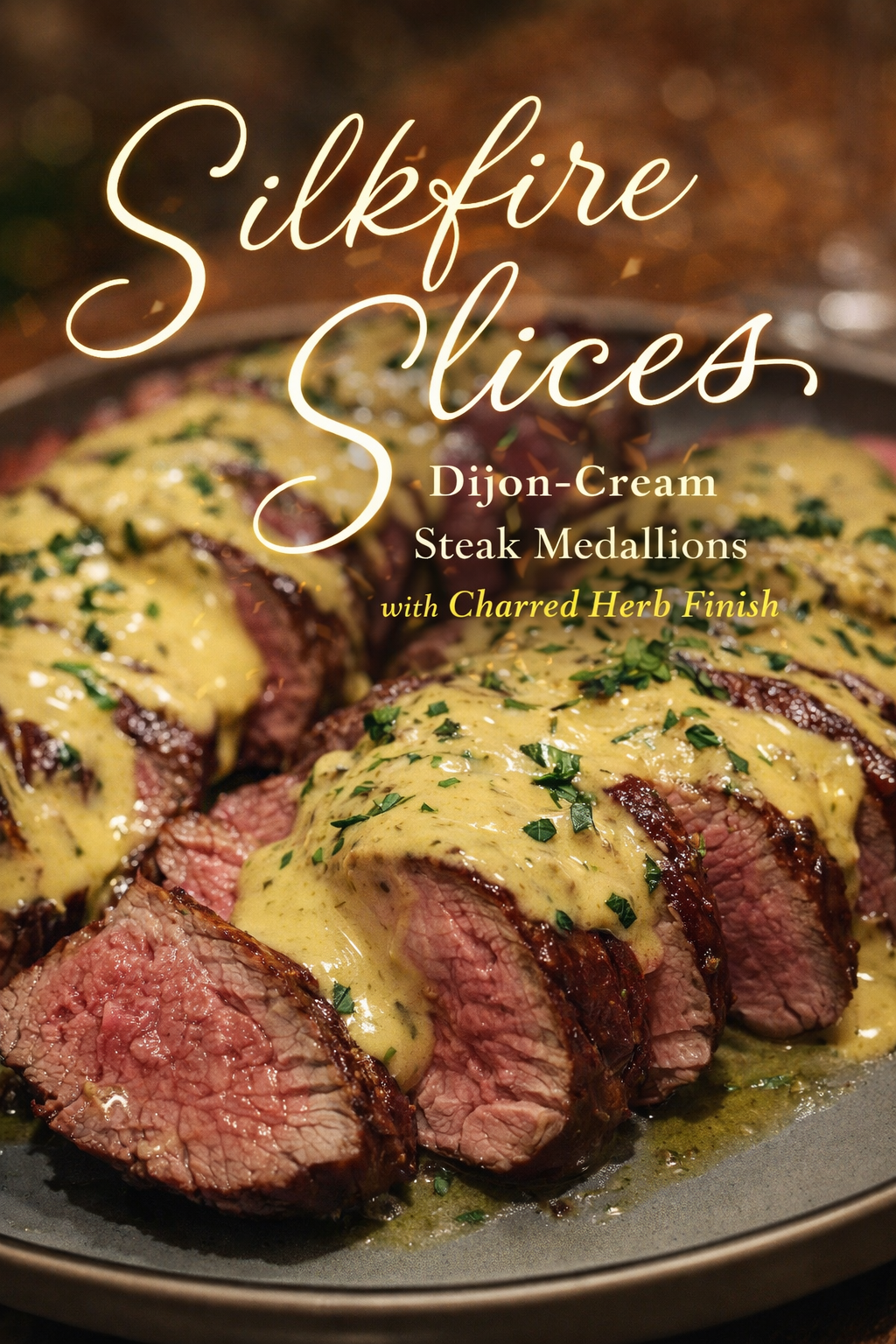
Silkfire Slices: Dijon-Cream Steak Medallions with Charred Herb Finish
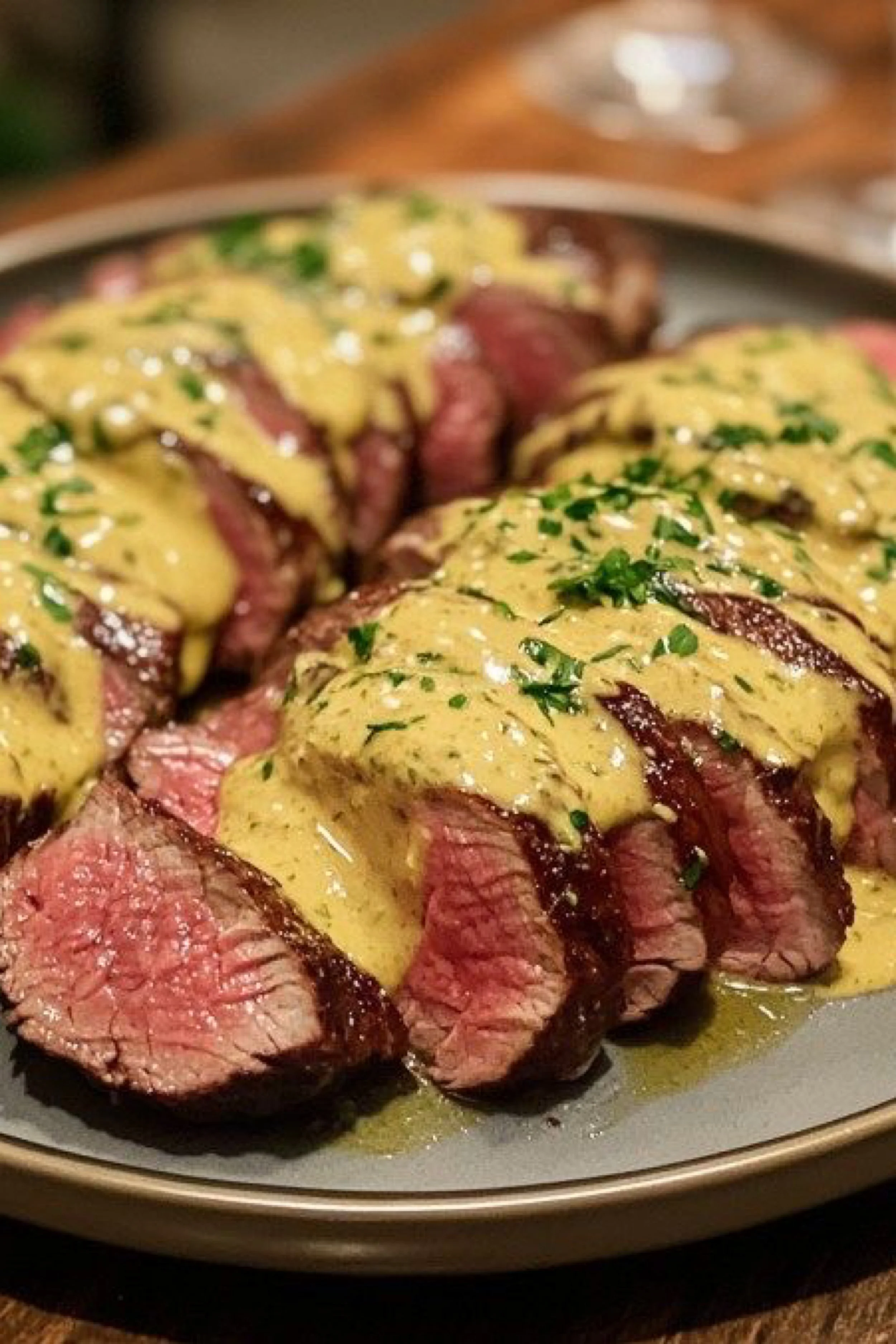
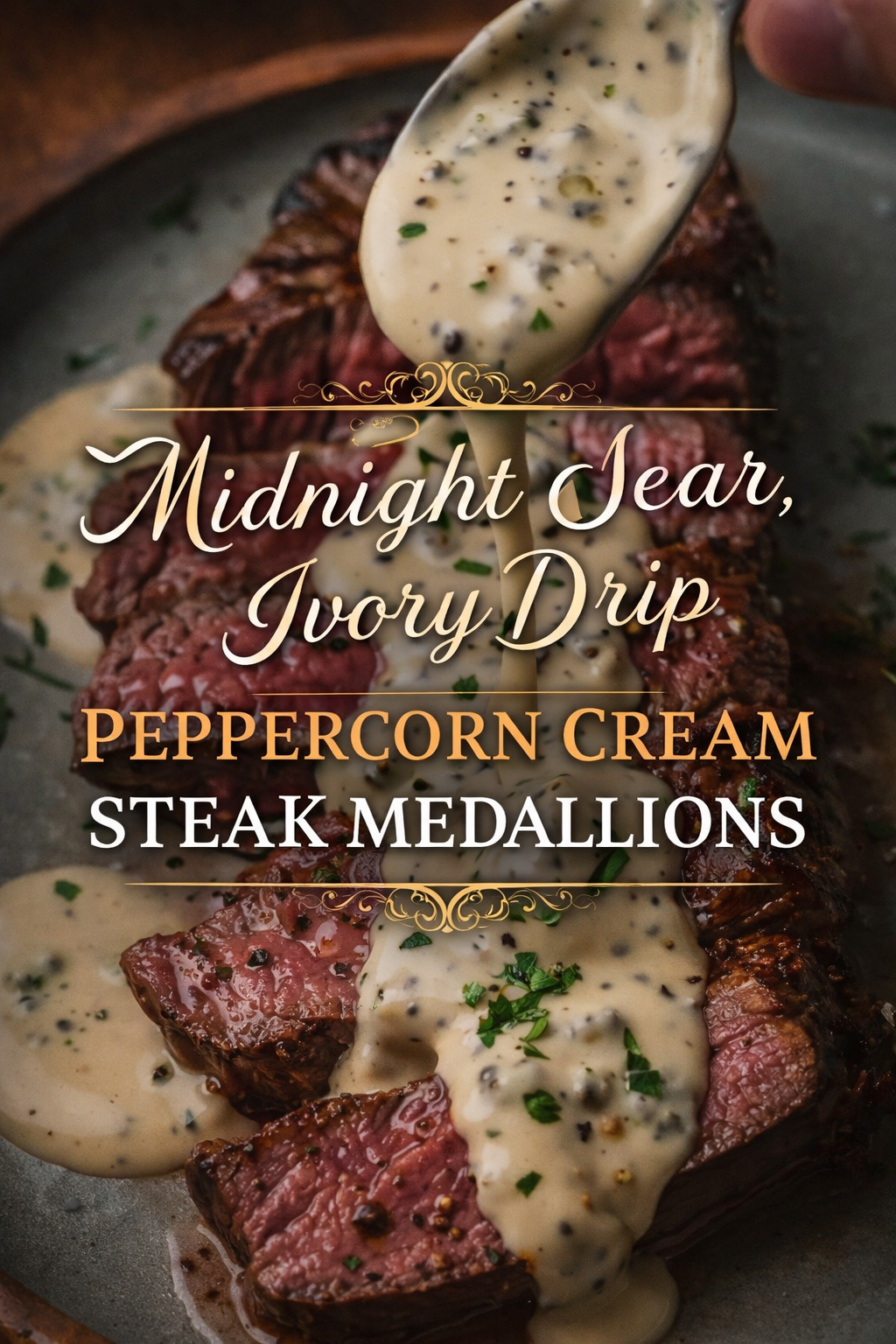
The plate arrives like a close-up in a dim, beautiful restaurant—warm light pooling over a fan of steak slices, the center still blushing and tender, the edges lacquered with a dark, hard sear that promises snap and smoke. A sauce the color of old gold drapes across the meat in slow, glossy ribbons. It clings where it lands, collecting in the shallow curve of the plate, carrying flecks of green herbs that look freshly cut, almost bright enough to taste before the fork ever rises. Everything feels deliberate: the way the slices are angled to show that perfect gradient from crust to rosy middle, the way the sauce settles into the grain, the way the whole scene reads like comfort—elevated, calm, and quietly indulgent.
This is the kind of meal that turns an ordinary evening into an occasion without announcing itself. It’s not loud. It doesn’t need a crowd. It’s a small ceremony of heat and timing—of trusting a pan to do what it does best, of letting butter brown just enough, of watching cream thicken into velvet, of letting mustard bring a clean, bright bite that wakes up everything else. A steak can be many things—weeknight fuel, weekend reward, summer grill ritual—but here it becomes something more intimate. It’s carved after a rest, when the juices have settled and the knife glides through with that faint resistance that signals tenderness. The slices spread like pages, and the sauce becomes the punctuation: tangy, rich, and lightly herbal, with the kind of warmth that lingers.
The atmosphere around a plate like this always feels a little slower. Maybe it’s the way the sauce catches the light, or the way the herbs perfume the air the moment the heat hits them. Maybe it’s the satisfaction of doing something classic with intention—searing hard, basting patiently, finishing softly. It helps to have the right tools on hand, the ones that make the process feel seamless instead of fussy: a steady, heavy cast-iron skillet built for deep browning, a sharp chef’s knife that slices cleanly without tearing, and a quick, reliable instant-read thermometer for nailing doneness. With those basics, the rest becomes less about complexity and more about feel—heat control, patience, and a little confidence.
The flavors here are quietly bold. Dijon brings a crisp, winey tang that cuts through richness like a well-timed note in a song. Cream rounds the edges, turning sharpness into silk. Butter adds depth, that toasted aroma that feels like home even when the plating looks restaurant-perfect. Garlic and shallot soften into sweetness. Herbs—parsley for freshness, maybe thyme for a subtle woodland edge—make the whole thing feel alive. You can serve it with whatever fits your mood: roasted potatoes, buttered noodles, a pile of greens dressed simply. But even on its own, it has that rare balance of rustic and refined, like something you’d cook to impress someone and then realize you mostly did it to impress yourself.
There’s also something deeply satisfying about the transformation that happens in the pan. Raw steak is potential; seared steak is certainty. The moment it hits the heat, the kitchen changes. The air warms. The scent deepens. The edges tighten and caramelize. And when the steak comes out to rest, the pan stays behind like a stage after the lead exits—fond stuck to the surface, browned bits that hold the story of flavor. That’s where the sauce is born, not from a packet or a shortcut, but from what you’ve already created. Deglaze, stir, reduce, whisk. Add mustard and cream and watch it turn glossy and cohesive, like it always knew it belonged there.
If you keep a few staples around, this becomes a repeatable kind of luxury. A jar of smooth Dijon mustard with a clean, sharp bite, a bottle of dry white wine for deglazing and brightness, and a small tin of flaky finishing salt for that final sparkle can turn a simple steak night into something that feels composed. Not complicated—composed. The kind of meal that makes you set the plate down gently, pour something cold, and take your time.
And then there’s the final moment—the spooning of sauce, the scatter of herbs, the way everything looks almost too good to disturb. Almost. Because the first bite is where it all proves itself: crust giving way to a tender center, sauce tang and cream and butter moving together, herbs lifting the richness so it never feels heavy. It tastes like patience, like heat managed well, like a small decision to make the night a little better than it had to be. It’s steak, yes—but it’s also mood, and ritual, and a quiet kind of reward.
A short introduction: Dijon-cream steak medallions deliver steakhouse flavor at home: a hard sear, a rosy center, and a silky mustard pan sauce finished with fresh herbs.
Ingredients
- 2 steaks (ribeye, strip, tenderloin, or sirloin), 1 to 1½ inches thick
- Kosher salt
- Black pepper
- 1 tbsp neutral oil (avocado, canola, grapeseed)
- 2 tbsp unsalted butter, divided
- 1 small shallot, finely minced
- 3 cloves garlic, minced
- 1/3 cup dry white wine or beef stock
- 3/4 cup heavy cream
- 2 tbsp Dijon mustard
- 1 tsp fresh thyme leaves (optional)
- 2 tbsp chopped parsley
- Optional: 1 tsp Worcestershire or a squeeze of lemon (to taste)
Method
- Pat steaks dry, season generously with salt and pepper. Rest 20–30 minutes at room temperature.
- Heat a heavy skillet over medium-high until very hot. Add oil, then sear steaks 2–4 minutes per side (depending on thickness) until deeply browned.
- Lower heat to medium. Add 1 tbsp butter and baste 30–60 seconds. Cook to desired doneness (target 130–135°F for medium-rare).
- Transfer steaks to a plate and rest 8–10 minutes.
- In the same pan, reduce heat to medium-low. Add remaining butter, then shallot and garlic; sauté 60–90 seconds.
- Deglaze with wine/stock, scraping browned bits. Simmer 1–2 minutes.
- Stir in cream and Dijon; simmer gently 2–4 minutes until glossy and lightly thickened. Add thyme if using.
- Slice steak, spoon sauce over, and finish with parsley (and optional lemon/Worcestershire to balance).
Start with the steak itself, because everything that follows—especially a sauce as silky and assertive as Dijon-cream—depends on how well you build that foundation. Choose a steak that matches the mood you want. Ribeye brings lush richness and marbling that melts into the bite. Strip steak offers structure and a clean beefy backbone. Tenderloin gives you that soft, almost buttery texture that pairs beautifully with a tangy sauce. Sirloin is leaner but still rewarding if you treat it gently. Thickness matters more than price here; aim for 1 to 1½ inches so you can develop a real crust without racing past a rosy center.
Before any heat, dry the surface thoroughly. Moisture is the enemy of browning; it forces the pan to steam instead of sear. Paper towels, firm pressure, no hesitation. Season boldly with salt and pepper—more than you think—because a portion of it stays on the cutting board or dissolves into the pan. If you want that steakhouse-style confidence, let the salted steaks sit for 20 to 30 minutes. This short rest helps salt dissolve, migrate, and improve surface drying for better browning.
Now commit to the pan. A heavy skillet—especially a cast-iron skillet that holds heat without flinching—is your best ally. Heat it over medium-high until it’s properly hot; you want that first contact to sound like certainty. Add a thin layer of neutral oil with a high smoke point. Then place the steak down and don’t touch it. The first minute is about adhesion: the meat bonds to the pan, then releases when the crust is ready. If you fuss too early, you tear the surface and lose browning.
Sear the first side until deep brown, 2 to 4 minutes depending on thickness and heat. Flip once and repeat. You’re building color, not just cooking through. That dark edge you see in the finished slices is flavor—concentrated, toasted, and slightly bitter in the best way, the kind that makes the sauce taste richer by contrast.
Once both sides are beautifully browned, lower the heat to medium and bring in butter. Add a tablespoon and let it foam, then tilt the pan and baste. Spoon the butter over the steak repeatedly; it adds gloss, aroma, and gentle heat. This is also where herbs can join the party—thyme or a crushed garlic clove if you want a deeper, more aromatic profile. The basting step helps even out cooking and encourages tenderness without sacrificing the crust.
Doneness is where most people lose confidence, so make it simple: use a thermometer. A fast instant-read meat thermometer removes guesswork and keeps your timing calm. Pull at 130–135°F for medium-rare, 140–145°F for medium. Remember carryover cooking: the steak continues rising a few degrees while it rests. Resting is not optional. Move the steak to a plate and give it 8 to 10 minutes. This isn’t “waiting,” it’s finishing—allowing juices to redistribute so your slices stay glossy instead of flooding the plate.
While the steak rests, the pan becomes your sauce pot—and the browned bits stuck to the bottom are the reason this tastes like a restaurant. Lower heat to medium-low. Add the remaining butter, then finely minced shallot. Stir until it softens and turns translucent, about a minute. Add garlic and cook briefly—just until fragrant. Garlic turns bitter if it browns too hard, so keep it gentle.
Deglaze next. Pour in dry white wine or beef stock and scrape thoroughly. A wooden spoon helps you lift every caramelized fragment. Let the liquid simmer for a minute or two to reduce slightly; this concentrates flavor and burns off harshness if you used wine. Then add heavy cream and stir. Keep the heat low enough that it doesn’t boil aggressively—cream is happiest at a gentle simmer. As it warms, it will start to thicken and turn glossy.
Now bring in Dijon. The best Dijon is assertive but balanced; look for a classic smooth Dijon mustard with clean acidity. Whisk it in and watch the sauce turn cohesive, a warm gold that clings to the spoon. Simmer another 2 to 4 minutes until it lightly coats the back of a spoon. If it thickens too far, loosen with a splash of stock or water. If it’s too thin, keep simmering gently—stir often and be patient.
Taste is the final step that matters. Dijon adds tang; butter adds roundness; the pan adds depth. Sometimes you’ll want a tiny lift: a squeeze of lemon, a few drops of Worcestershire, or even a pinch of flaky finishing salt right at the end. Adjust slowly. The goal is harmony: rich but not heavy, sharp but not harsh.
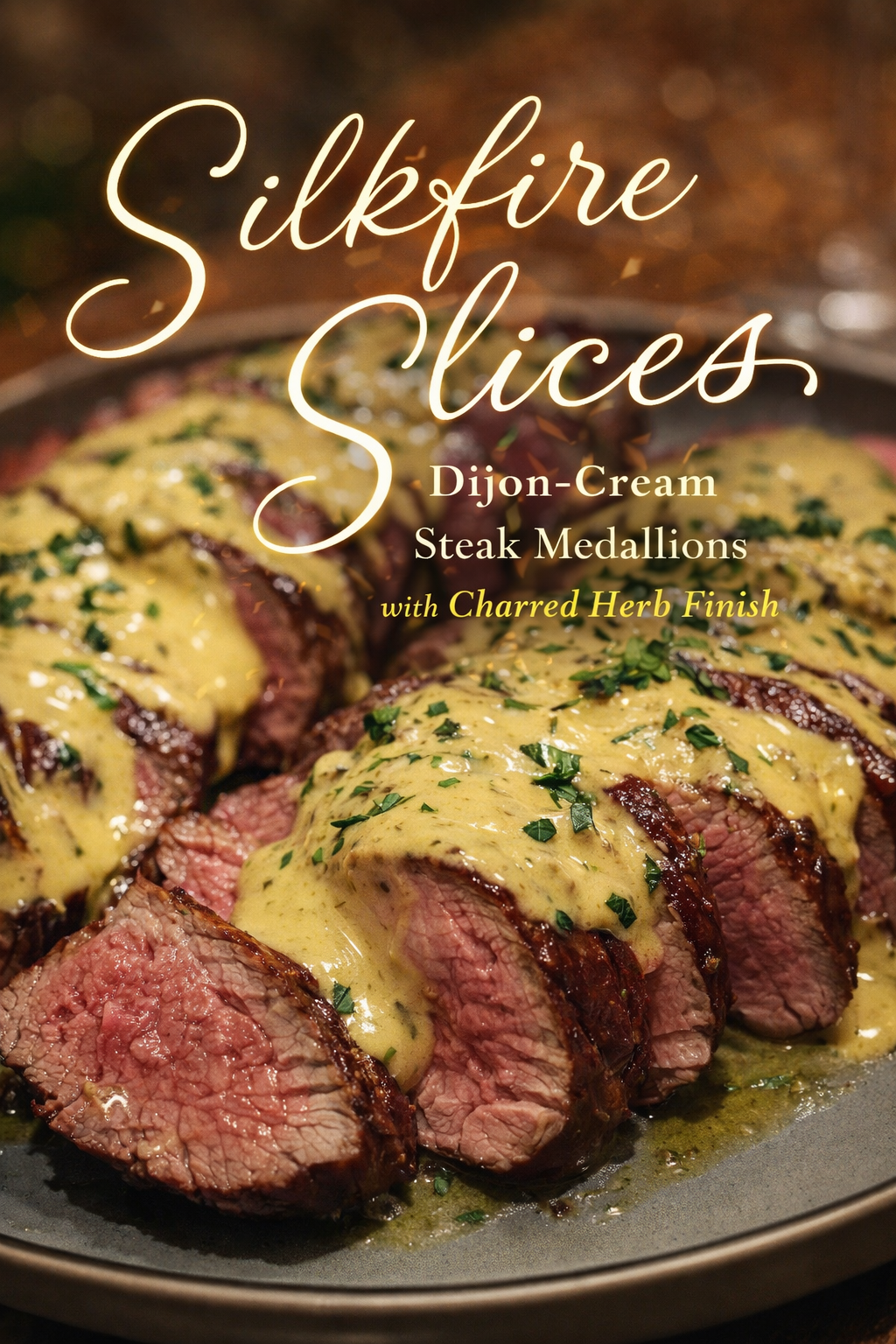
Slicing should honor the meat. Use a sharp knife—ideally a chef’s knife that stays keen through proteins—and cut across the grain. That single choice changes tenderness dramatically, especially with strip or sirloin. Fan the slices, then spoon sauce over the top so it settles into the seams between pieces. Finish with chopped parsley for freshness and color. If you want to echo the look in the image, scatter herbs high and let the sauce fall in generous ribbons.
Variations are easy once you understand the structure. Want more bite? Add a teaspoon of whole-grain mustard for texture. Want a deeper, darker sauce? Deglaze with stock and a small spoon of Dijon plus a touch of pan-browned butter. Prefer no alcohol? Use stock and a tiny splash of vinegar for brightness. Need it lighter? Replace part of the cream with half-and-half, knowing the sauce will be thinner and should simmer a touch longer. Dairy-free isn’t impossible either: a good oat-based cream alternative can work, but keep the heat low and expect a different texture.
Troubleshooting stays simple. If the steak isn’t browning, the pan wasn’t hot enough or the surface was damp—dry more thoroughly and preheat longer. If the sauce breaks (looks oily or separated), the heat was too high; lower it, whisk steadily, and add a tablespoon of cool cream to bring it back together. If the sauce tastes flat, it needs salt or acid. If it tastes too sharp, it needs a minute more simmering and possibly a touch more butter.
The payoff is exactly what the plate promises: a confident crust, a tender blush of beef, and a mustard-cream sauce that feels indulgent without being heavy—finished with herbs that keep every bite bright. It’s the kind of meal that looks like effort but eats like ease, provided you respect the steps that matter: dry the steak, sear hard, rest fully, build the sauce from the pan, and taste with intention.