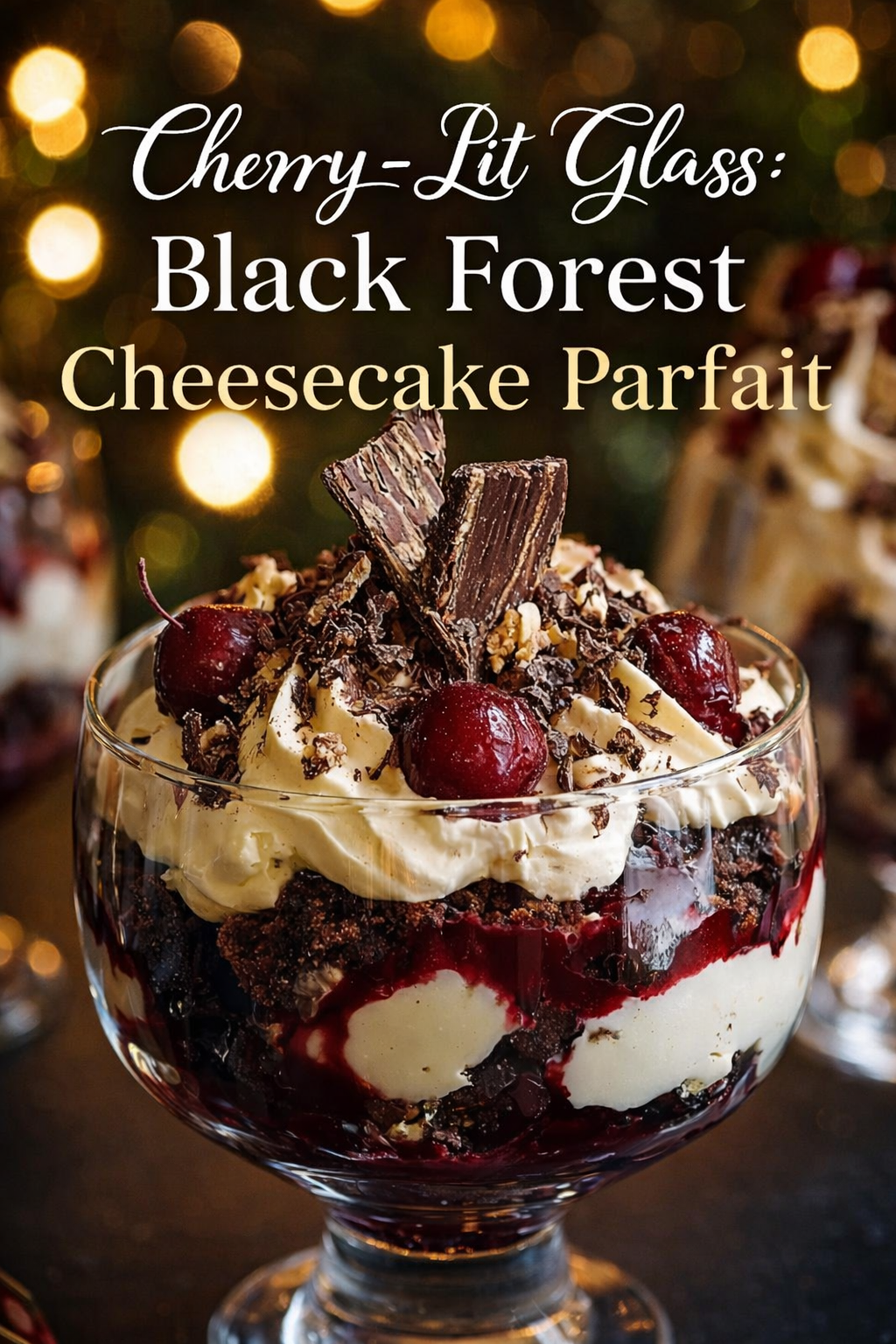
Cherry-Lit Glass: Black Forest Cheesecake Parfait
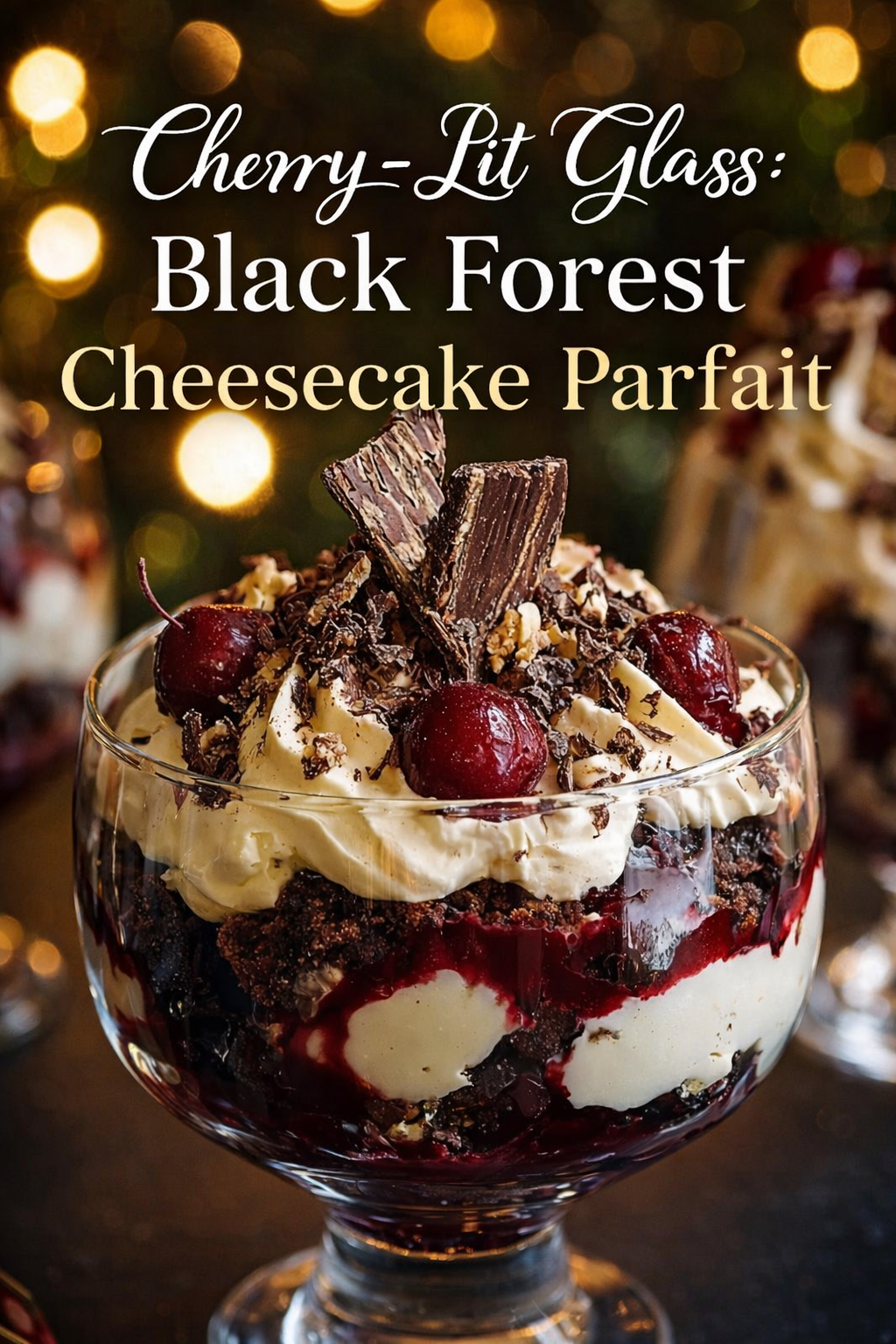
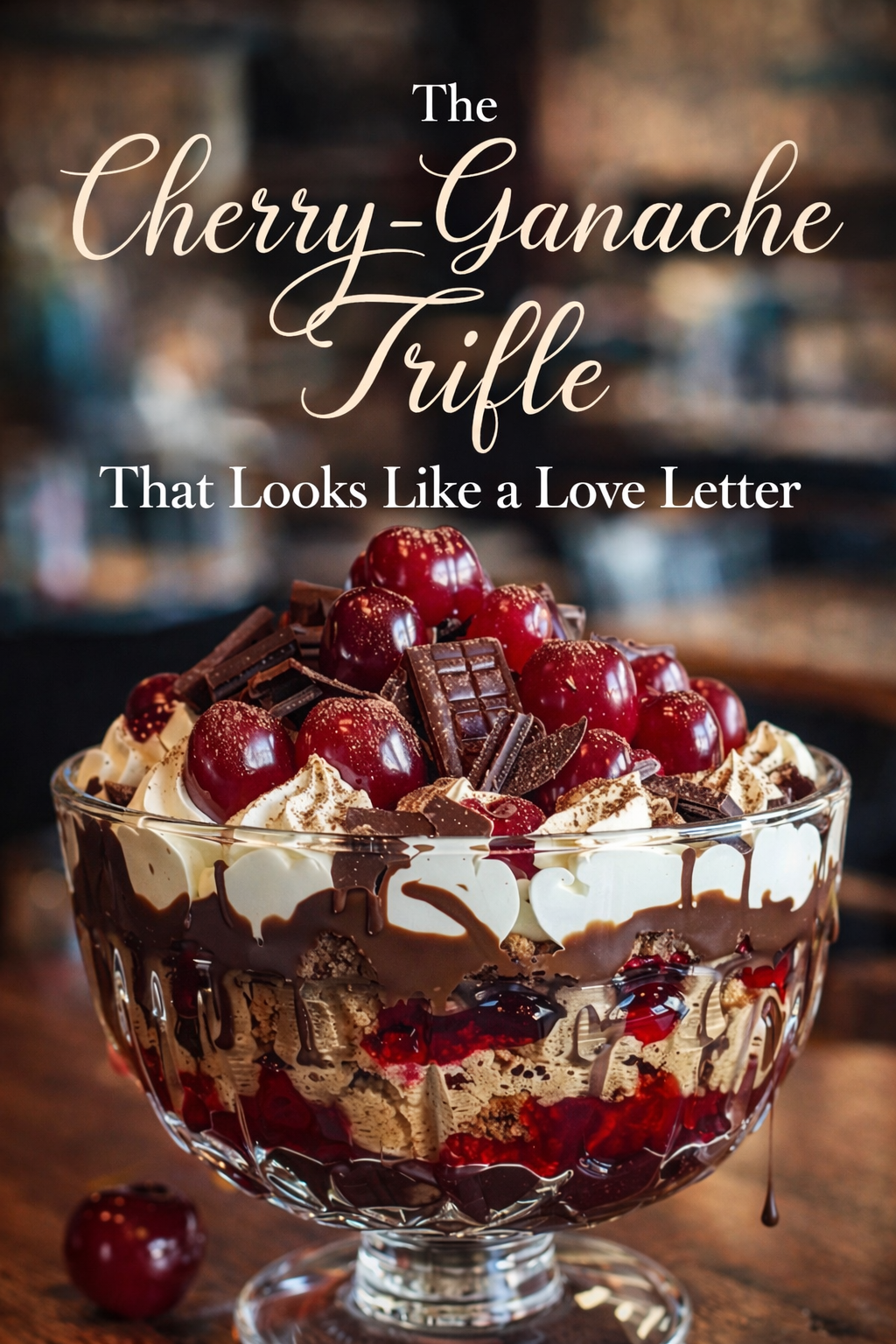
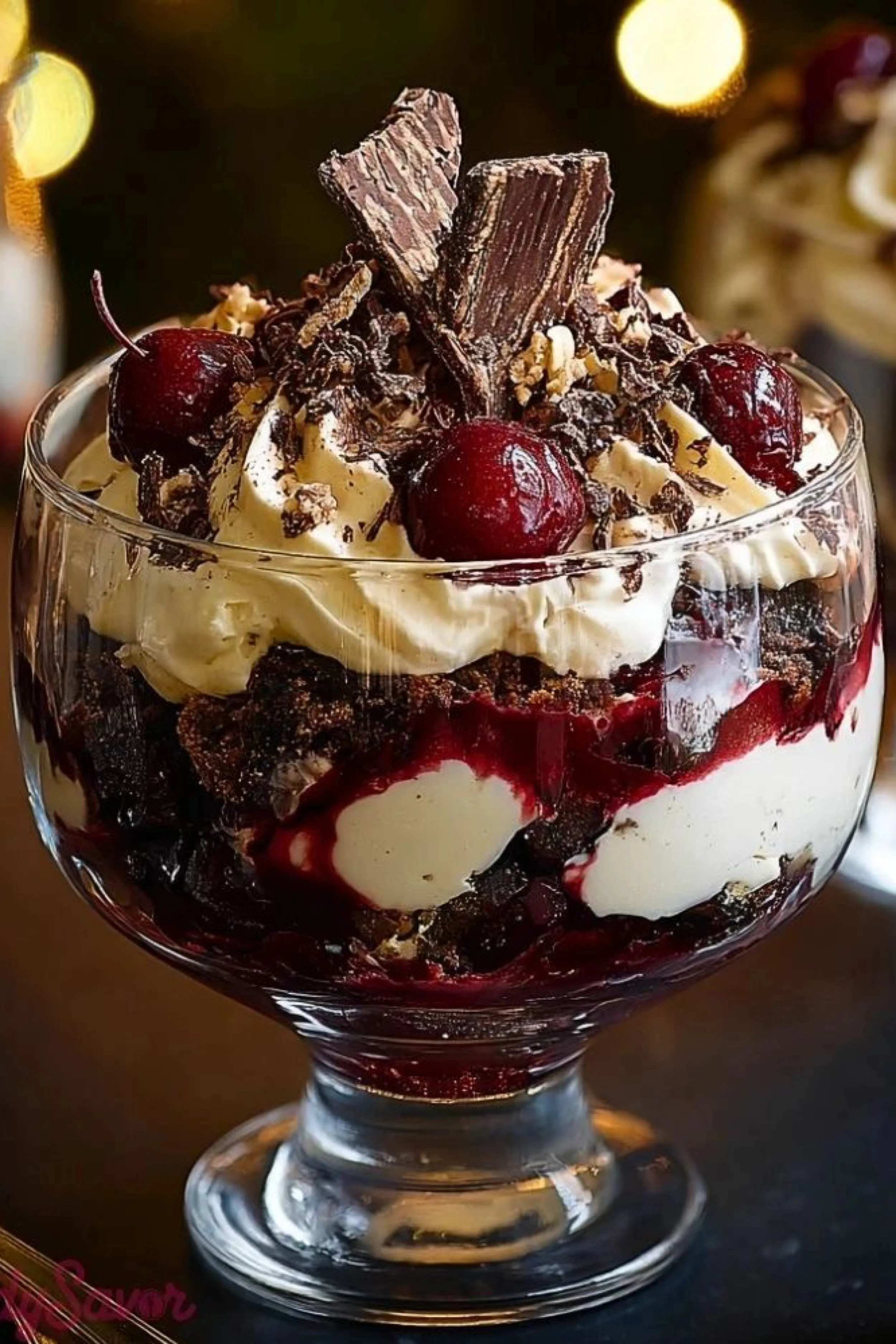
The first thing you notice is the way the dessert holds its secrets in plain sight—stacked in a clear coupe like a little theater of velvet and shine. Deep ruby cherries press against the glass, leaving glossy streaks where the sauce has slid and settled. Dark crumbs—somewhere between brownie and cake—sink into that cherry layer like soft earth after rain. Above it, a pale cloud of cream curls in slow, luxurious folds, the kind of whipped swirl that looks almost too perfect to disturb. Then comes the drama: shavings of chocolate scattered like midnight confetti, a few walnut-like bits for crunch, and two bold shards of dark chocolate standing upright as if they were placed there to catch the light on purpose. Even the background feels warm and cinematic, all golden blur and soft bokeh, like there’s music somewhere nearby and the night is being kind.
It’s the kind of dessert that makes you slow down without asking. Not because it’s fussy—because it’s layered with intention. You can almost taste the contrast before the spoon breaks the surface: the bright bite of cherry against cocoa-dark crumbs, the cool, tangy richness of cheesecake cream against the faint bitterness of chocolate. It’s the dessert version of a velvet jacket over a white tee—effortless, but it lands.
There’s a particular romance to building something in a glass. You don’t hide your choices; you frame them. A spoonful of cherry compote becomes a stained-glass window. A crumble of chocolate cake becomes a shadowy foundation. The cream becomes architecture—soft and structured at once, especially if you pipe it from a sturdy piping set that makes clean, dramatic swirls. And the chocolate? That’s your punctuation, best made with a bar of dark chocolate meant for shaving and snacking and a quick pass over a fine microplane-style grater so it falls in delicate curls.
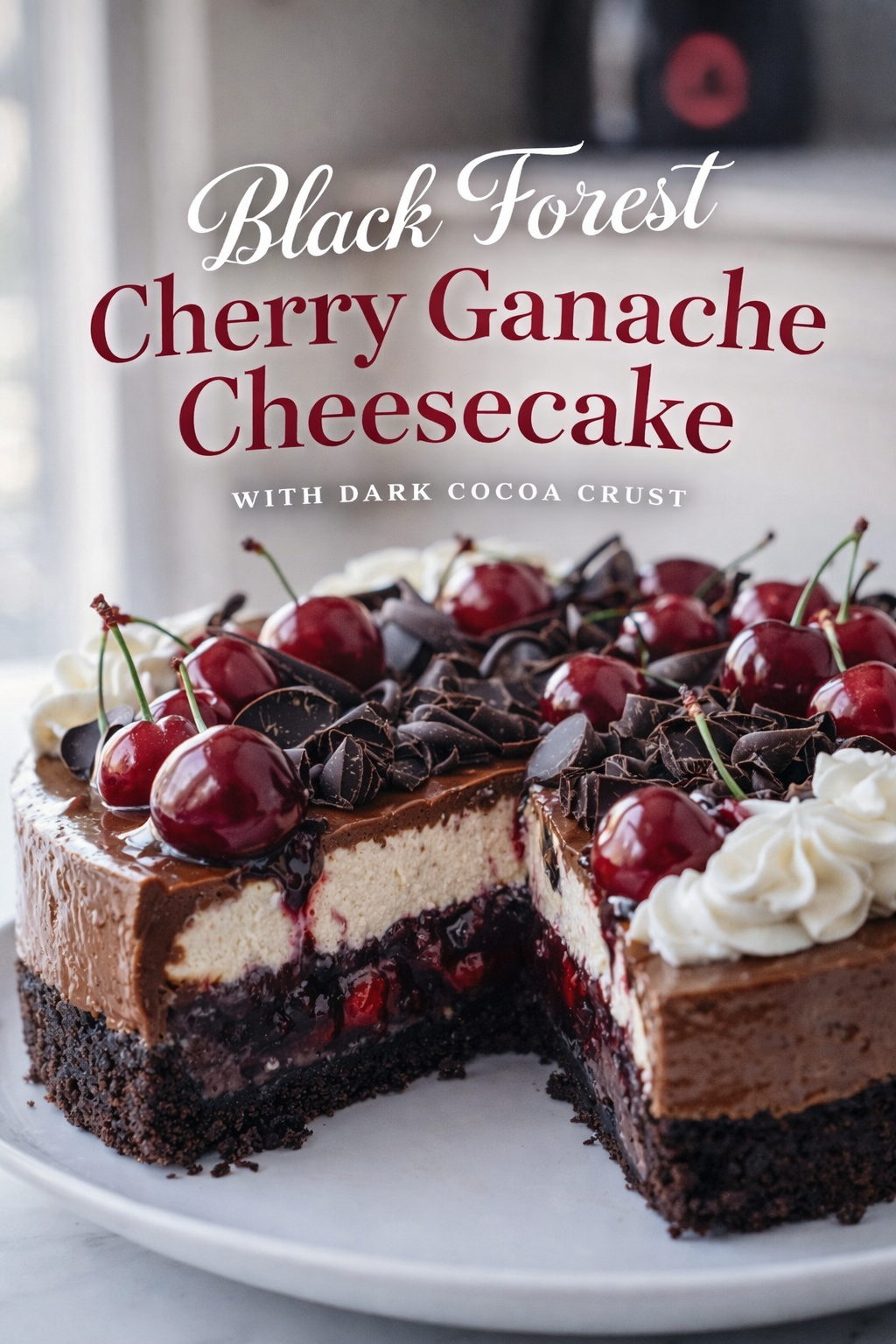
What makes this parfait feel so lavish is that it borrows the soul of Black Forest cake—chocolate, cherry, cream—then reimagines it as a spoonable, layered indulgence with a cheesecake heart. The cheesecake cream is the quiet flex here: cream cheese whipped until it’s satin-smooth, sweetened just enough, kissed with vanilla, then lightened with whipped cream so it tastes like a cloud that happens to be rich. If you want that flavor to feel expensive and warm, the easiest trick is reaching for real vanilla bean paste instead of plain extract; it adds depth and those tiny specks that read as “bakery” the second someone looks in the glass.
And the cherries—those are the mood. You can go classic with a simple cherry sauce, but if you want the kind of dark, jewel-toned finish that looks like it belongs under candlelight, grab jarred amarena-style cherries or a rich cherry compote base. They’re sweet, yes, but also slightly bitter and complex, like fruit that’s lived a little. Stir them into a quick simmer with a splash of juice, let the syrup thicken, and suddenly the whole dessert tastes like a special occasion that doesn’t need a reason.
The crumb layer matters more than people think. Too dry and it feels dusty; too wet and it collapses into paste. The sweet spot is a brownie-like crumble that holds shape but yields to the spoon. You can bake a simple cocoa cake or use crushed cookies, but the most satisfying texture comes from something fudgy—either homemade brownie chunks or a quick crumble built from chocolate cookies and butter. If you’re the kind of person who likes a clean, reliable shortcut, keeping a high-quality cocoa powder on hand makes even a simple bake taste deep and grown-up.
Then there’s the glass itself—because presentation is part of the pleasure. A wide coupe shows off layers like a gallery display, and it gives you room to build height with cream and toppings. If you want that same upscale silhouette, look for classic dessert coupe glasses that feel weighty in the hand. Something about the curve of the bowl makes the whole dessert look more decadent, like it should arrive with a small spoon and a slow smile.
As you build it, you’ll notice how the layers change the longer they sit. The cherry sauce starts to seep into the crumb layer, staining it darker and making it tender. The cheesecake cream stays plush, but it settles into the spaces like it’s claiming the room. Chocolate shavings soften just slightly, becoming less sharp and more fragrant. It turns from “freshly assembled” into “perfectly melded,” which is why this is the kind of dessert that loves the fridge. Give it time—an hour, two if you can—and it eats like a memory.
The final flourish is where you can make it yours. Chocolate shards for drama, toasted nuts for crunch, extra cherries for that ruby pop. A pinch of flaky salt if you want to sharpen the chocolate notes. A whisper of espresso powder in the crumb layer if you want the cocoa to sing. Even the act of shaving chocolate can feel like a small ritual—especially when you’re working with a chef’s knife that makes clean curls and shards and letting the pieces fall where they want.
This parfait is indulgent, yes—but it’s also comforting. It’s the dessert you make when you want something that looks like a celebration and tastes like you cared. It’s cherries and chocolate and cream, layered into a glass like a love letter you can eat with a spoon. And when you finally scoop down through every layer—cool cream, dark crumb, bright cherry—you get that perfect Black Forest harmony, only softer, richer, and somehow even more irresistible.
Ingredients
A Black Forest classic turned into a layered cheesecake parfait—cherry, chocolate, and cloud-soft cream in every spoonful.
For the cherry layer
- 2 cups cherries (fresh or frozen), pitted
- 1/3 cup sugar
- 1 tbsp lemon juice
- 1 tbsp cornstarch + 1 tbsp water (slurry)
- Optional: 1–2 tbsp kirsch or cherry liqueur
For the chocolate crumb layer
- 2 1/2 cups brownie chunks or chocolate cake crumbs (fudgy preferred)
- Optional quick crumble: 2 cups crushed chocolate cookies + 3 tbsp melted butter
For the cheesecake cream
- 12 oz cream cheese, softened
- 1/2 cup powdered sugar
- 1 1/2 tsp vanilla (or vanilla bean paste)
- Pinch of salt
- 1 1/2 cups heavy whipping cream, cold
Toppings
- Dark chocolate shavings and shards (use dark chocolate bars)
- Whole cherries
- Optional: chopped toasted nuts, cocoa dusting, flaky salt
Instructions
- Make the cherry compote: Simmer cherries, sugar, and lemon juice 6–8 minutes until juicy. Stir in cornstarch slurry and cook 1 minute until glossy and thick. Cool completely.
- Whip the cheesecake cream: Beat cream cheese, powdered sugar, vanilla, and salt until smooth. In a separate bowl, whip cold heavy cream to soft peaks, then fold into the cream cheese mixture until airy.
- Prepare the crumb layer: Use brownie chunks as-is, or toss crushed chocolate cookies with melted butter for a quick crumble.
- Assemble: In glasses, layer cherry compote → chocolate crumbs → cheesecake cream. Repeat once more.
- Finish: Top with shaved chocolate, cherries, and any extras. Chill at least 1 hour before serving for the best texture.
A great parfait is less about complicated technique and more about building layers that stay distinct while still melting together in the most satisfying way. The goal here is contrast—bright cherry against dark cocoa, tangy cheesecake against sweet fruit, soft cream against a crumb that gives the spoon a little resistance. Once you understand what each layer is doing, you can tweak it confidently without losing that signature Black Forest feel.
Start with the cherry layer, because it sets the tone. If you’re using frozen cherries, don’t thaw them first; let them release their juice in the pan so the syrup develops naturally. A small saucepan and steady heat are your best friends here, along with a silicone spatula that scrapes clean and prevents scorching. As the cherries soften, you’ll see the sauce shift from watery to glossy. That cornstarch slurry is your control knob—add it only once the cherries have broken down and the liquid is visibly pooling. Cook just long enough to activate the starch (about a minute after it thickens). Too long and it can turn gummy. Too short and it will weep into the crumb layer like a slow leak.
Cooling matters more than people expect. Warm compote will instantly loosen the cheesecake cream and blur the layers. If you’re in a hurry, spread the compote thin on a plate or shallow dish so it cools faster, then move it to the fridge. If you want a deeper, more grown-up cherry flavor, a spoonful of kirsch or cherry liqueur is perfect once the heat is off—alcohol added while boiling can taste harsh; added after cooking, it reads smooth and aromatic.
Now the crumb layer: this is where most parfaits either become unforgettable or a little disappointing. Dry crumbs feel dusty; overly wet crumbs feel like paste. Brownie chunks hit the sweet spot because they’re fudgy and sturdy at the same time. If you’re baking brownies specifically for this, aim for chewy edges and a slightly underbaked center—once chilled, it firms up beautifully. A quick way to intensify the chocolate without making it bitter is adding a pinch of salt and, optionally, a touch of espresso powder. Keeping a good Dutch-process cocoa in your pantry makes these chocolate notes taste rounder and more luxurious.
If you’re using a cookie crumble instead, mix crushed cookies with melted butter just until it clumps when squeezed. Don’t soak it. You want it to hold shape but still break apart easily with the spoon. If your crumbs are too fine, they compact and create a dense layer; leave some larger bits for texture. A simple trick: crush most cookies, then fold in a handful of larger pieces at the end.
The cheesecake cream is the main event—the layer that makes this feel like more than a trifle. Softened cream cheese is non-negotiable. If it’s too cold, it will whip into little lumps that never fully disappear. Let it sit out until it feels pliable when pressed. Beat it first with the sugar and vanilla until it looks glossy and completely smooth—this is where a hand mixer with enough power to whip cream cheese properly earns its keep. Then whip cold heavy cream separately. Cold is crucial; warm cream won’t trap air, and you’ll end up with a loose filling. For best results, chill your bowl for 10 minutes and use a sturdy mixing bowl set so the cream stays cold longer.
When folding whipped cream into the cream cheese base, think “gentle and decisive.” Use broad strokes, scraping the bottom and turning the bowl. Overmixing knocks out air and makes the cream dense; undermixing leaves streaks. You’re looking for a uniform, mousse-like texture that holds soft peaks. If you want a more dramatic swirl on top, transfer the cream into a piping bag and tip set. If you’d rather keep it relaxed, spoon it in and give it a small swoop with the back of the spoon.
Assembly is where you lock in the visual payoff. Use wide glasses so you can see the layers clearly—dessert coupe glasses are especially good because they show off the contrast and give you room for toppings. Start with cherry compote so it can cling to the glass, then add crumbs, then cream. Repeat. The trick is portion control: thin layers look elegant and eat more balanced than thick ones. If you pack in too many crumbs at once, the spoon becomes work. If you add too much compote, it overwhelms the cheesecake cream.
Chilling transforms everything. One hour is the minimum; two to four hours is ideal. During that rest, the crumbs absorb just enough cherry syrup to turn tender without dissolving, and the cheesecake cream sets into a texture that feels intentional. If you’re making these ahead, keep the toppings separate until the last moment so the chocolate stays crisp and the cherries stay glossy.
For the finish, shave chocolate directly over the top so the aroma hits first. A microplane gives delicate curls, while a knife gives dramatic shards. If you want both, do curls first, then press in a few shards like sculpture. Use dark chocolate bars around 70% cacao for that classic Black Forest edge—sweet enough to be friendly, bitter enough to feel bold. Add cherries last so they look lacquered and jewel-like. A tiny pinch of flaky salt can make the chocolate taste deeper and the cherry brighter, especially if your compote is very sweet.
Variations are easy once the structure is solid. Swap the cherry compote for sour cherry preserves if you want more tang. Add a spoonful of cocoa liqueur to the crumb layer for a truffle vibe. Fold a few spoonfuls of cocoa powder into the cheesecake cream for a “cookies-and-cream meets Black Forest” twist. For a lighter version, use a thicker Greek yogurt blended into the cream cheese base (it will be tangier and slightly less stable, but still delicious). For a gluten-free option, use gluten-free chocolate cookies or a flourless brownie base.
Troubleshooting is mostly about texture:
- If the cheesecake cream is runny, the whipped cream was either under-whipped or too warm. Chill the bowl and whip to soft peaks next time, then fold gently.
- If the compote leaks and makes the layers muddy, it wasn’t cooled enough or it wasn’t thick enough. Reduce it longer or use the cornstarch slurry more confidently.
- If the crumbs feel dry, your brownie base is too cakey. Next time, choose fudgier brownies or add a little melted butter to bind cookie crumbs.
- If the dessert tastes flat, add salt—just a pinch in the cream and a tiny finish on top. Chocolate and cherry both wake up instantly.
The magic of this parfait is how it looks like a special occasion but behaves like a reliable, repeatable ritual. Once you’ve built it once, you’ll start imagining other layered glass desserts the same way—because now you know the secret: a bold fruit layer, a rich chocolate layer, and a cream layer that tastes like you meant it.