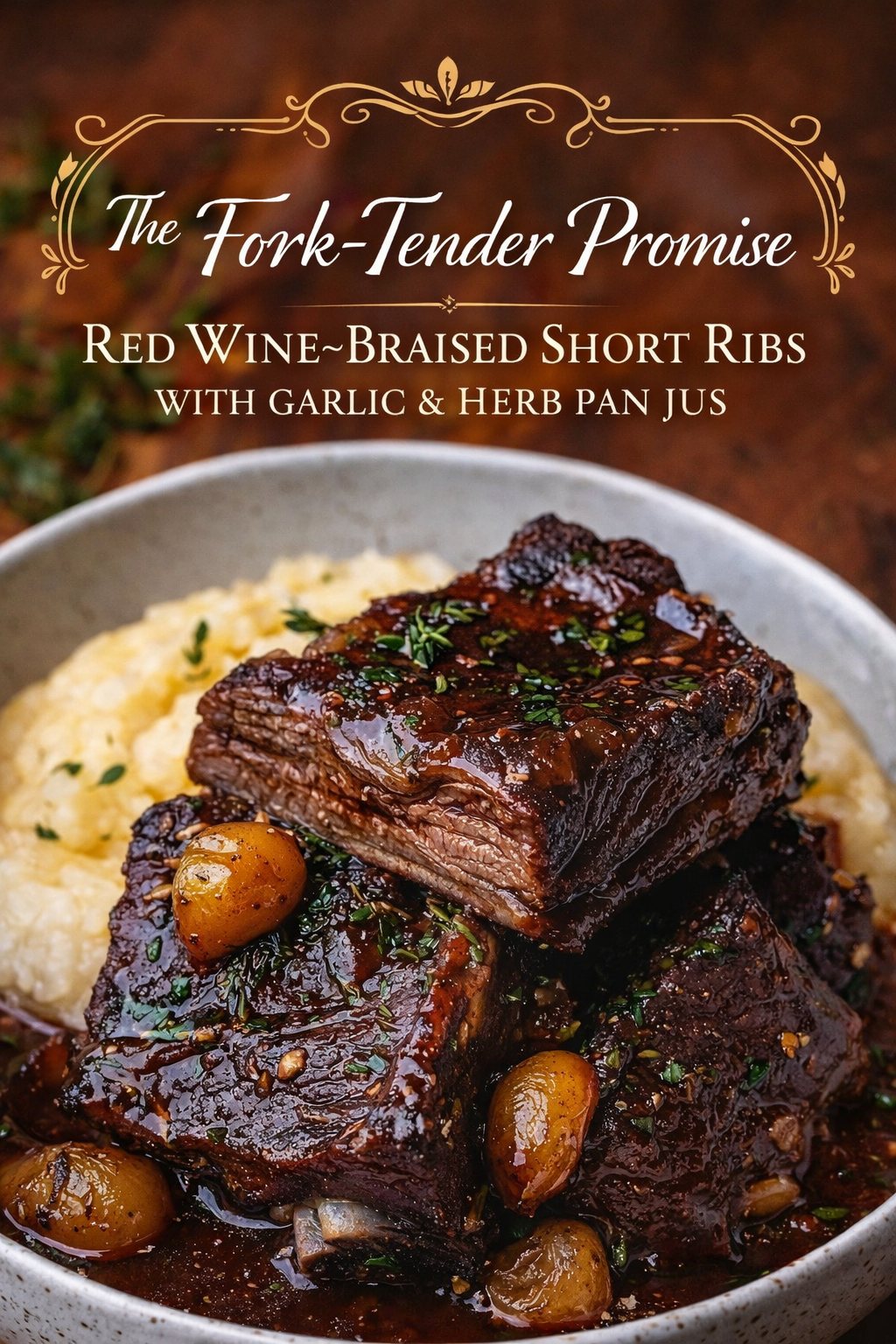
The Fork-Tender Promise: Red Wine–Braised Short Ribs with Garlic & Herb Pan Jus
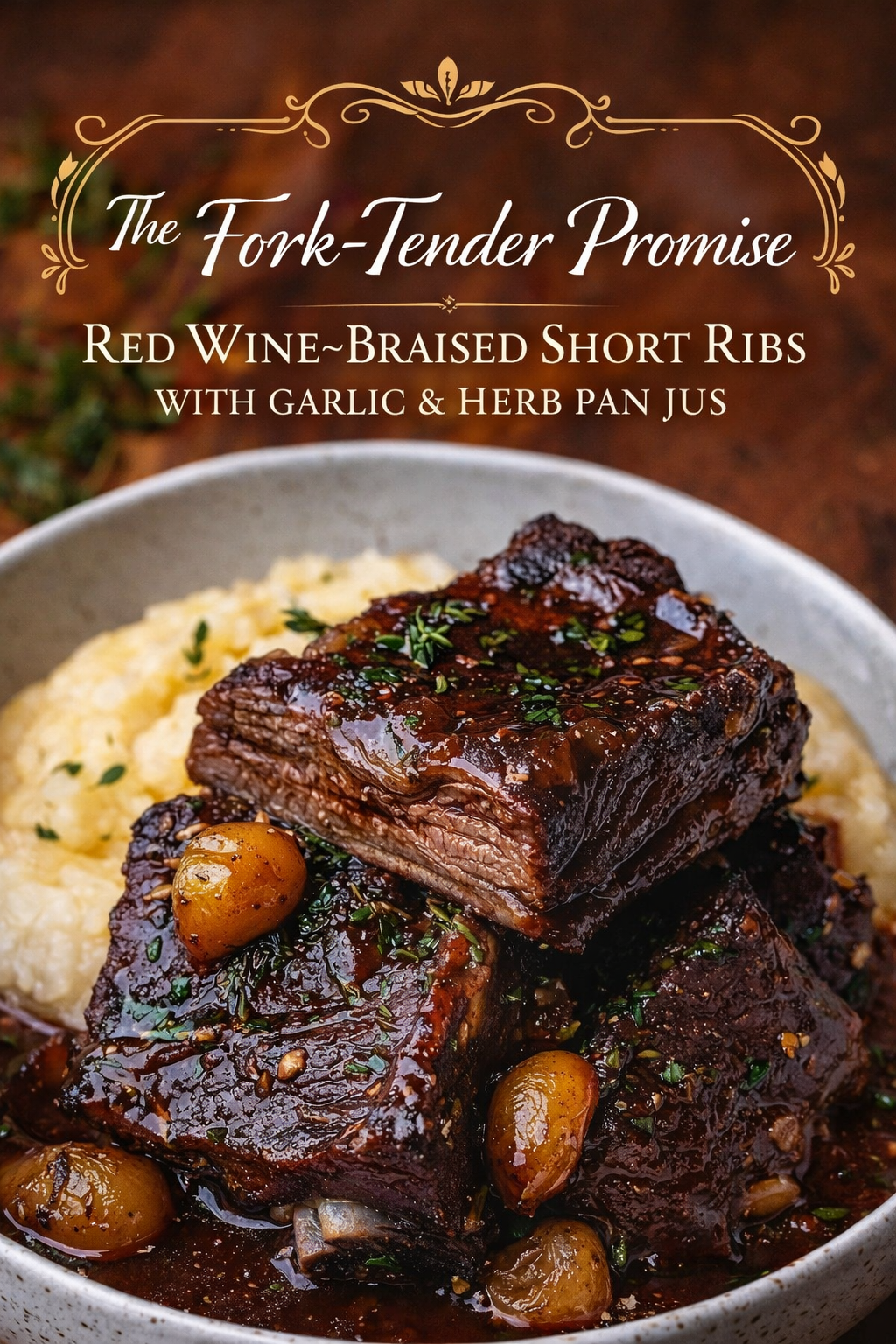
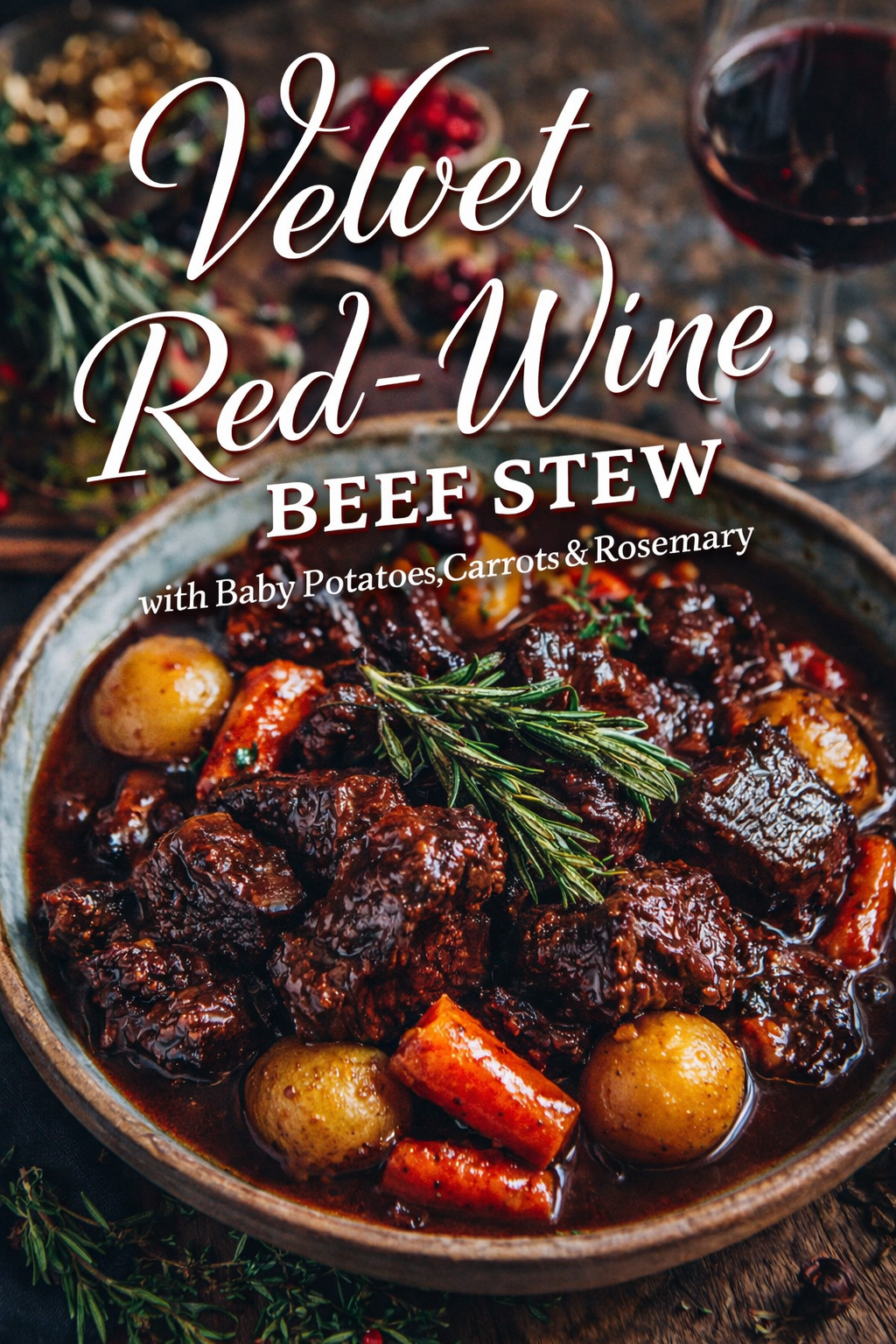
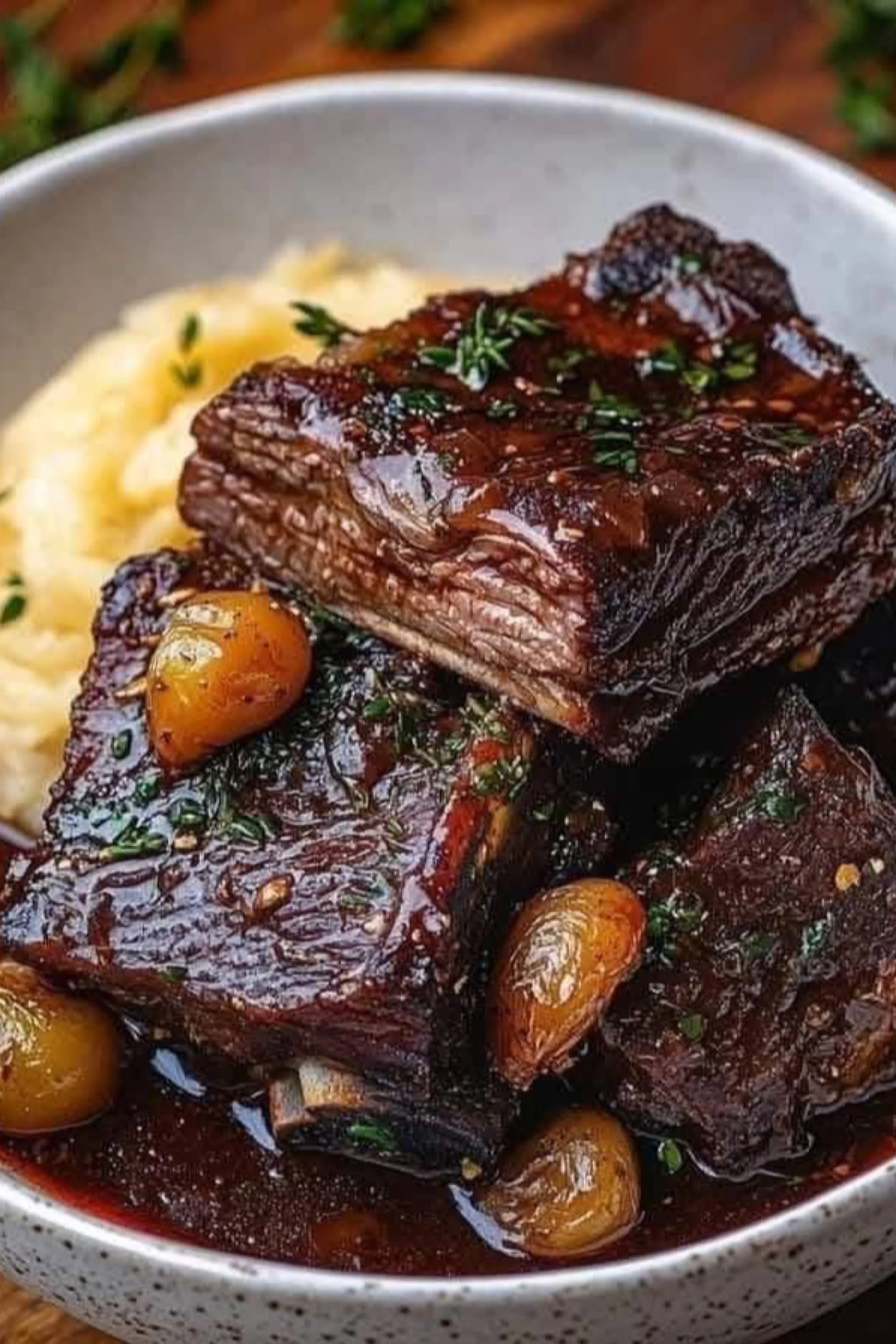
The first thing you notice is the shine—an almost lacquered, mahogany glaze clinging to the beef like it has something to prove. The sauce isn’t just dark; it’s glossy, dense, and slow-moving, the kind that gathers at the bottom of a bowl and pools around every edge like a stage light. A few softened garlic cloves sit half-submerged, burnished to a caramel tone, as if they’ve spent hours learning how to be sweet instead of sharp. Flecks of green herbs land on top like confetti after the final note, small but intentional—proof that someone cared about the last five seconds as much as the first hour.
Underneath, there’s a pale, cloud-soft mound—mashed potatoes, whipped until they look like they could hold a spoon upright, the perfect counterweight to all that richness. The contrast is the whole story: velvet and depth, bright and dark, comfort and drama. This is food that doesn’t rush. It’s the kind of meal that changes the pace of a night, that makes the kitchen smell like patience and the table feel like a destination.
Short ribs have a way of turning time into flavor. They start out stubborn—thick with connective tissue, built for slow work—and then, with enough heat and moisture, they surrender into something luxurious. That transformation is what makes this dish feel a little cinematic. The sauce becomes a concentrated memory of everything that happened in the pot: browned edges, softened aromatics, wine’s fruit and bite mellowed into something round, stock reduced into body, herbs turned from sharp to earthy. You don’t just taste beef; you taste the hours it took to become tender.
The ritual begins before the braise even starts, with the tools that make slow cooking feel effortless. A wide, heavy enameled cast iron Dutch oven holds heat like it was designed for winter. A sharp chef’s knife that glides through onions and herbs makes the prep feel clean, not chaotic. And a simple digital meat thermometer gives you confidence when the ribs finally reach that point where they no longer resist the fork.
There’s something grounding about the sound of searing—short ribs hitting hot fat and immediately announcing themselves. The browned crust is more than color; it’s foundation. It’s where depth begins, and it’s why the finished sauce tastes like it has layers instead of just salt. A sturdy stainless steel tongs set helps you turn each piece without tearing it, keeping the surface intact so it can brown properly. Then the aromatics go in—onion, carrot, celery—softening in the rendered beef fat until they’re glossy and sweet, coaxed into their best selves.
Wine follows, not as a splash but as a statement. It steams up, pulling the browned bits from the bottom of the pot like a secret being revealed. The harshness fades with simmering, leaving behind fruit, tannin, and warmth—structure that makes the sauce feel expensive. Stock joins in, a supporting actor that turns the braise into something spoonable, and the garlic cloves settle into the liquid like little anchors. A handful of herbs—thyme, maybe rosemary—perfume the whole pot, and then the lid goes on. From there, it’s time and temperature, the quiet kind of cooking that rewards you later.
While the ribs do their slow transformation, the side waits—mashed potatoes, whipped and buttered, ready to catch every drop. The texture matters. You want something smooth enough to cradle sauce, not so stiff it fights it. A simple potato ricer for impossibly silky mash changes the texture in a way you can feel immediately, and a handheld potato masher works beautifully if you like a little rustic character. Either way, the goal is the same: soft, warm, and generous.
When the ribs finally emerge, they look like the image—dark, glossy, almost sculpted by the braise. The meat fibers separate with the gentlest pull, but they still hold together, proud enough to stack. The sauce clings. The garlic is spreadable. The herbs brighten the surface. And that first bite—rich beef against creamy potato, with a spoonful of wine-dark jus—makes the whole room feel quieter, like everyone instinctively knows this is the moment to pay attention.
Ingredients
- 4–5 lb bone-in beef short ribs (English cut)
- 2 tsp kosher salt, plus more to taste
- 1 tsp black pepper
- 2 tbsp all-purpose flour (optional, for extra crust)
- 2–3 tbsp olive oil or beef tallow
- 1 large yellow onion, chopped
- 2 carrots, chopped
- 2 celery ribs, chopped
- 6–10 whole garlic cloves, peeled
- 2 tbsp tomato paste
- 2 cups dry red wine
- 2–3 cups beef stock
- 2 tsp Worcestershire sauce
- 2–3 sprigs thyme
- 1 sprig rosemary (optional)
- 1 bay leaf
- 1–2 tbsp butter (to finish sauce)
- Chopped parsley or thyme leaves, for garnish
Creamy Mash (serving base)
- 2 1/2 lb Yukon Gold potatoes, peeled and chunked
- 4 tbsp butter
- 1/2–3/4 cup warm milk or cream
- Salt and pepper to taste
Method
- Heat oven to 325°F. Pat short ribs dry; season with salt and pepper (dust lightly with flour if using).
- In a heavy pot, sear ribs in oil over medium-high heat until deeply browned on all sides. Remove.
- Lower heat to medium. Sauté onion, carrot, and celery until softened, 6–8 minutes. Add garlic; cook 1 minute.
- Stir in tomato paste; cook 1–2 minutes. Pour in wine to deglaze, scraping the bottom, and simmer 3–5 minutes.
- Add stock and Worcestershire; return ribs to pot. Add thyme, rosemary (if using), and bay leaf. Liquid should come about halfway up the ribs.
- Cover and braise in oven 2.5–3.5 hours, until fork-tender.
- Meanwhile, boil potatoes until very tender; mash with butter and warm milk/cream. Season.
- Skim excess fat from braising liquid. Simmer sauce on stovetop to thicken if needed; whisk in butter. Adjust salt and pepper.
- Serve ribs over mash with sauce, garlic cloves, and herbs.
The difference between “good” short ribs and the kind that makes people stop mid-sentence is almost always the same: browning, liquid level, and time. This dish looks indulgent because it is—but the path to that glossy, restaurant-style finish is surprisingly repeatable once you understand what each step is doing.
Start with dry meat. Patting short ribs down isn’t busywork; moisture is the enemy of browning. When the surface is wet, the pan spends its energy steaming before it can sear, and you lose that deep, roasted flavor that becomes the backbone of the sauce. A wide cast iron Dutch oven helps here because it holds steady heat and gives you enough surface area to brown without crowding. If the ribs are packed tight, they’ll sweat and turn gray—so work in batches and let each piece earn its crust.
Seasoning early matters more than people think. Salt on the surface draws out a little moisture, then reabsorbs, giving the meat a head start on flavor and texture. If you like a slightly thicker, clingier sauce, a light dusting of flour before searing is a classic move. It doesn’t make it “floury”; it just helps the braising liquid gain body later.
When you sear, aim for color, not speed. Medium-high heat is ideal—hot enough to brown, not so hot that the fond turns bitter. Use stainless steel tongs to turn each rib and keep the surface intact. You’re building fond—the browned bits stuck to the pot—which is essentially concentrated flavor waiting to be dissolved into the wine. If you notice the bottom getting too dark too fast, lower the heat and add a touch more fat. Burnt fond will make the whole pot taste harsh.
Once the ribs are out, the aromatics go in. Onion, carrot, and celery aren’t just “for depth”—they’re sweetness, balance, and texture for the sauce. Let them soften until glossy and fragrant. This step is where you can steer the final flavor: cook them longer for sweeter, rounder results; keep it shorter if you want the wine and herbs to dominate. Add garlic after the vegetables have started to soften so it doesn’t scorch. Whole cloves are the move for the look in the bowl, because they turn silky and caramel as they braise.
Tomato paste is your quiet secret weapon. Cooking it for a minute or two deepens its flavor and adds a subtle, savory richness that reads like “extra hours” even when the schedule is fixed. Then the wine goes in. Use a dry red you’d happily drink; the taste concentrates. Pour it in and immediately scrape the bottom with a flat-edged wooden spatula so every browned bit melts into the liquid. Give the wine a few minutes to simmer so its sharp edge softens before stock arrives.
Liquid level is where many braises go wrong. You don’t want the ribs submerged. Halfway up the meat is ideal: the exposed top slowly roasts and darkens, while the lower portion stays bathed in moisture. This is how you get both structure and tenderness. If the liquid covers everything, the meat can taste boiled and the exterior never develops that dark, lacquered look. Add thyme and a bay leaf, and if you love a woodsy note, a small sprig of rosemary—but go easy, because rosemary can take over.
Temperature and patience do the rest. A low oven (around 325°F) gives you consistent heat from all directions, which is why oven braises are so forgiving compared to stovetop simmering. Check at the 2.5-hour mark, but don’t rush it. Fork-tender means the collagen has melted; the meat should yield easily, but not fall apart into shreds the moment you lift it. If it’s still tight, it simply needs more time. That’s not failure—that’s the process working.
While the ribs braise, build the base that makes the bowl feel complete. Yukon Gold potatoes mash into a naturally buttery texture. For the silkiest result, a potato ricer is unbeatable, but you can get close with a heavy-duty masher and a bit of restraint (overmixing can make potatoes gluey). Warm your milk or cream before adding it—cold dairy cools the mash and makes you work harder to smooth it out. Butter goes in first; it coats the starch and makes the final texture more luxurious.
Finishing the sauce is where the “gloss” happens. Once the ribs are done, skim excess fat from the surface. A fat separator measuring cup makes this clean and fast, but even a spoon works. If the sauce looks thin, simmer it uncovered on the stovetop for 10–20 minutes until it coats the back of a spoon. Then whisk in a tablespoon or two of butter to give it sheen and softness—this is why the sauce in the bowl looks so polished. Taste and adjust salt at the end; reduction concentrates seasoning, so final tweaks should always happen after thickening.
Troubleshooting is simple once you know the signs. If the sauce tastes sharp, it likely needs more reduction time (or a small pinch of salt and a final butter swirl to round it). If it’s bitter, the fond may have burned during searing—next time lower the heat and brown in calmer stages. If the meat isn’t tender, it isn’t “overcooked”; it’s under-braised. Collagen melts on its own schedule. Give it another 30–45 minutes and check again.
Variations are easy without changing the soul of the dish. Swap red wine for a mix of wine and dark beer for a deeper, malty note. Add mushrooms during the last hour for extra savoriness. Stir in a spoon of balsamic at the end for a brighter finish. And if you want a slightly sweeter, more dramatic sauce, a teaspoon of brown sugar in the reduction can push it toward that glossy, steakhouse-style vibe.
For serving, think in layers. Mash first, ribs next, sauce over everything. Nestle a few garlic cloves where they’re visible—people love discovering them. Finish with chopped herbs for contrast and freshness. The goal is the same feeling as the image: dark, tender beef that looks like it’s been cared for, sitting on something soft enough to catch every last spoonful.