Velvet Peppercorn Steak Bites Over Creamy Parmesan Linguine
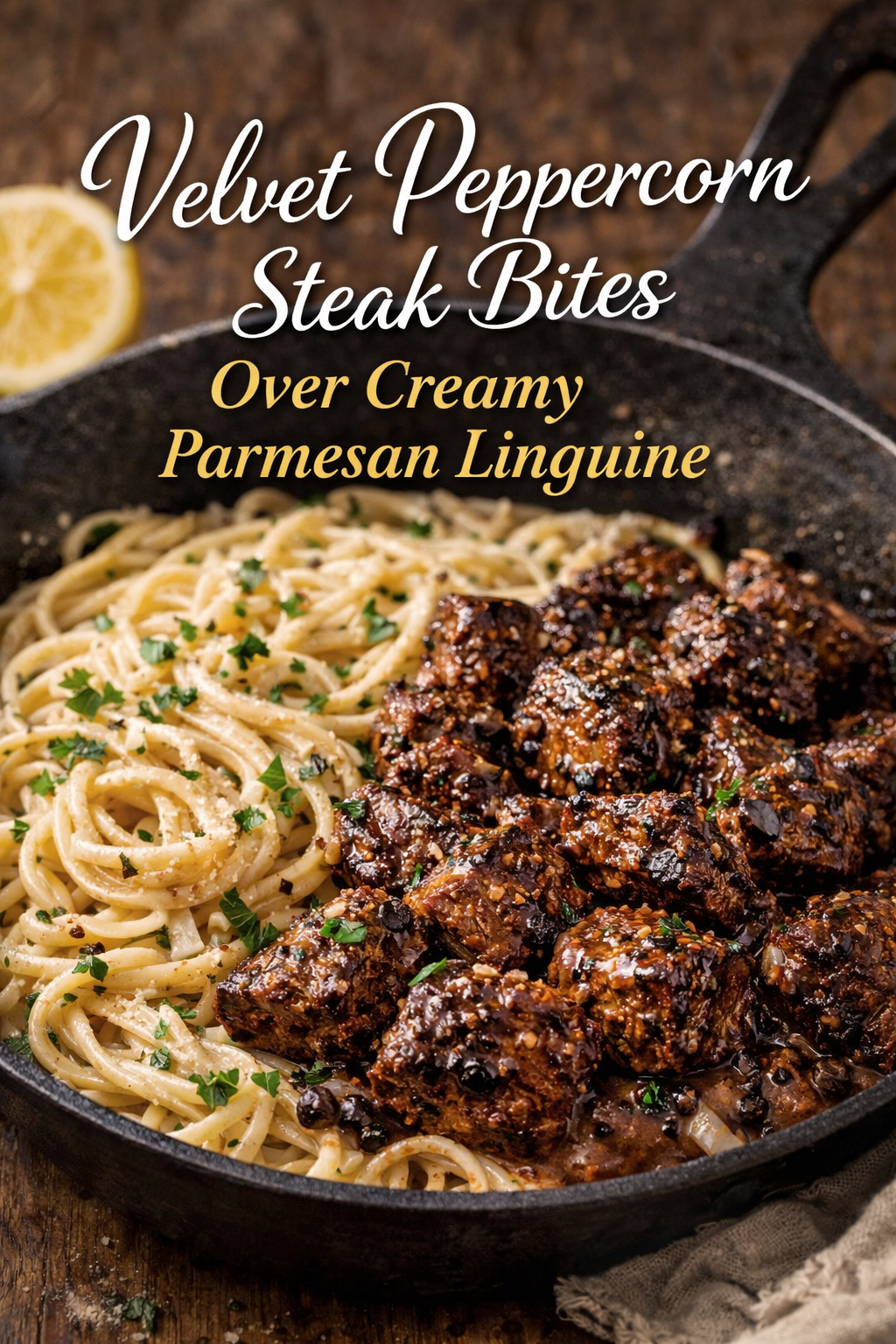
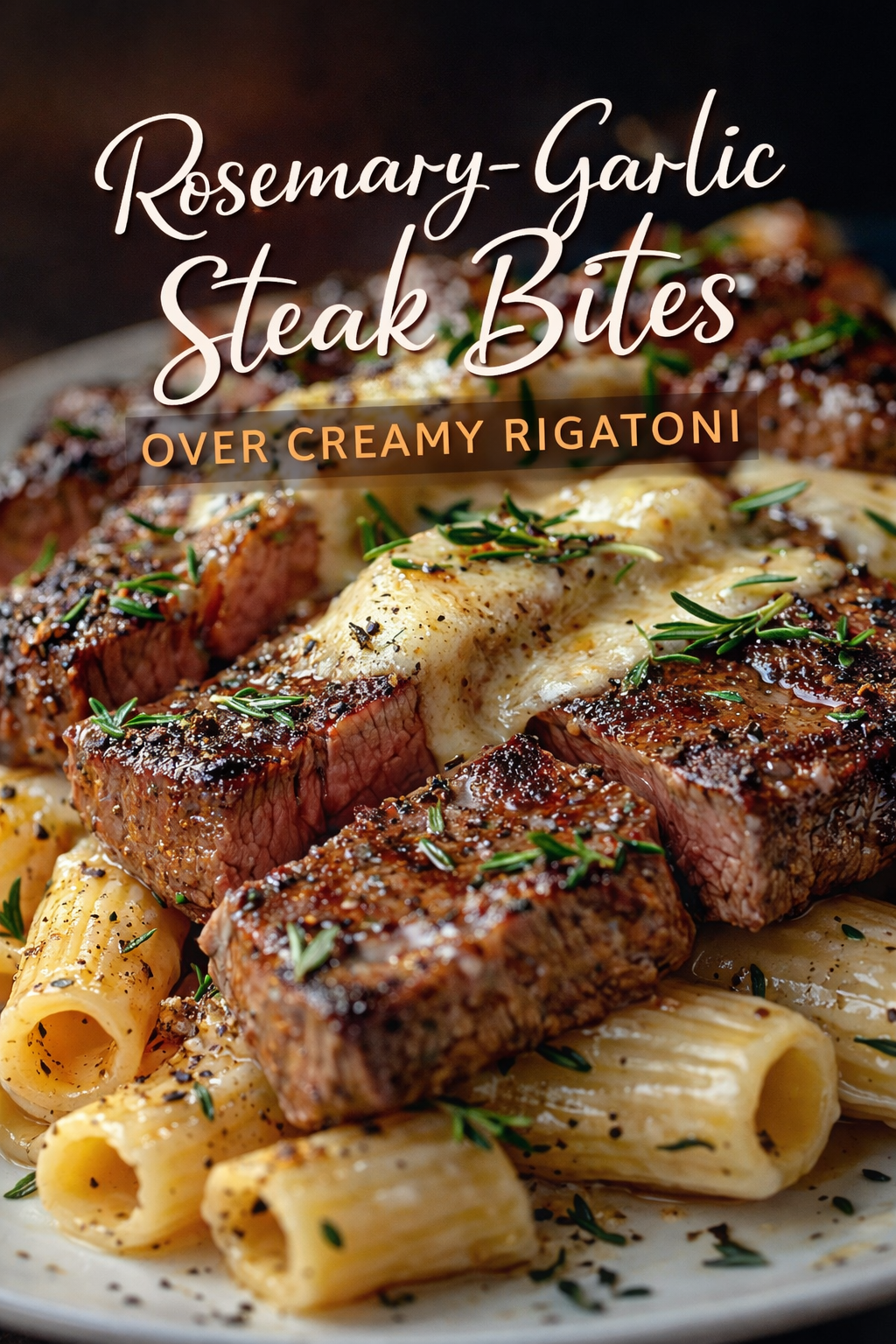
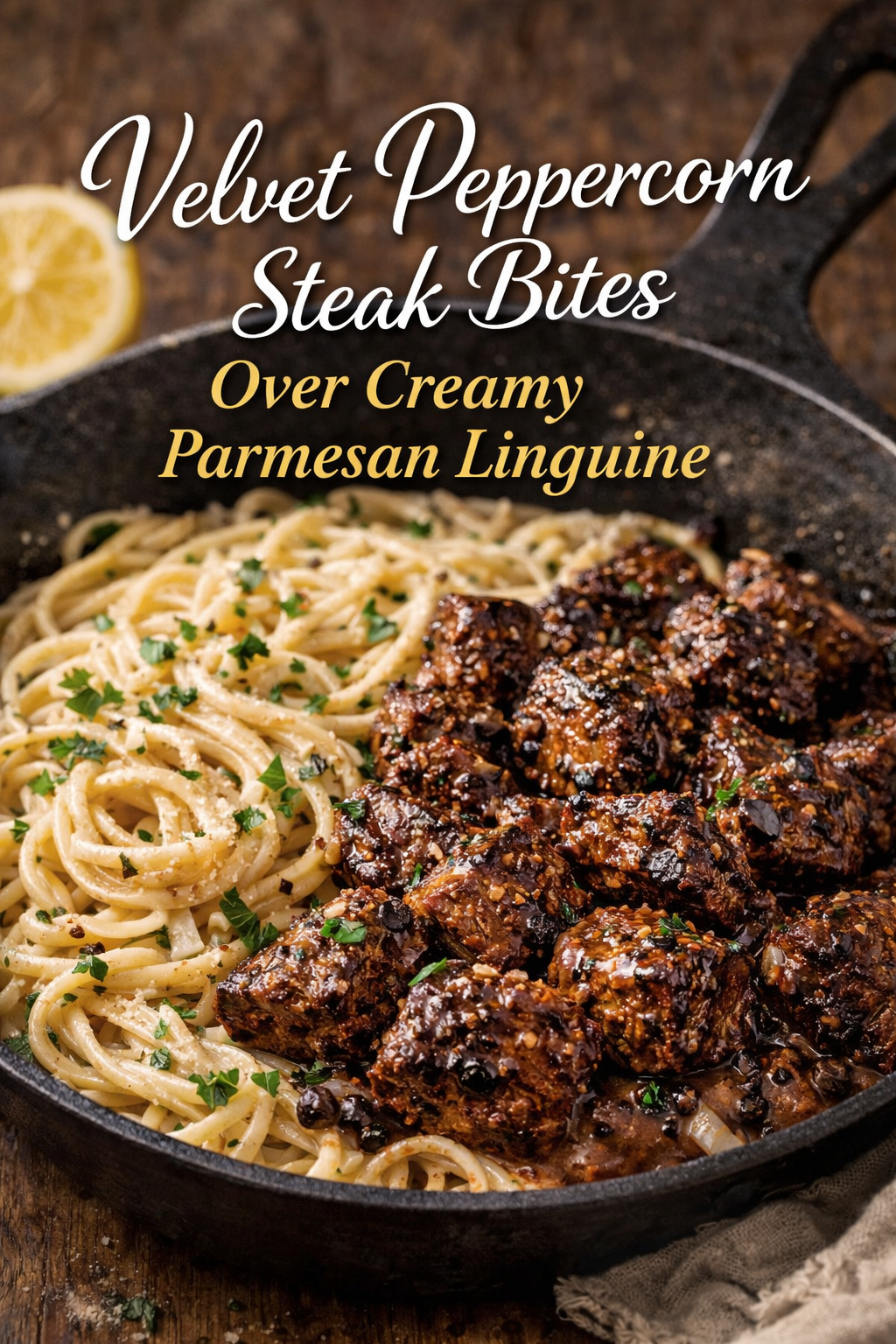
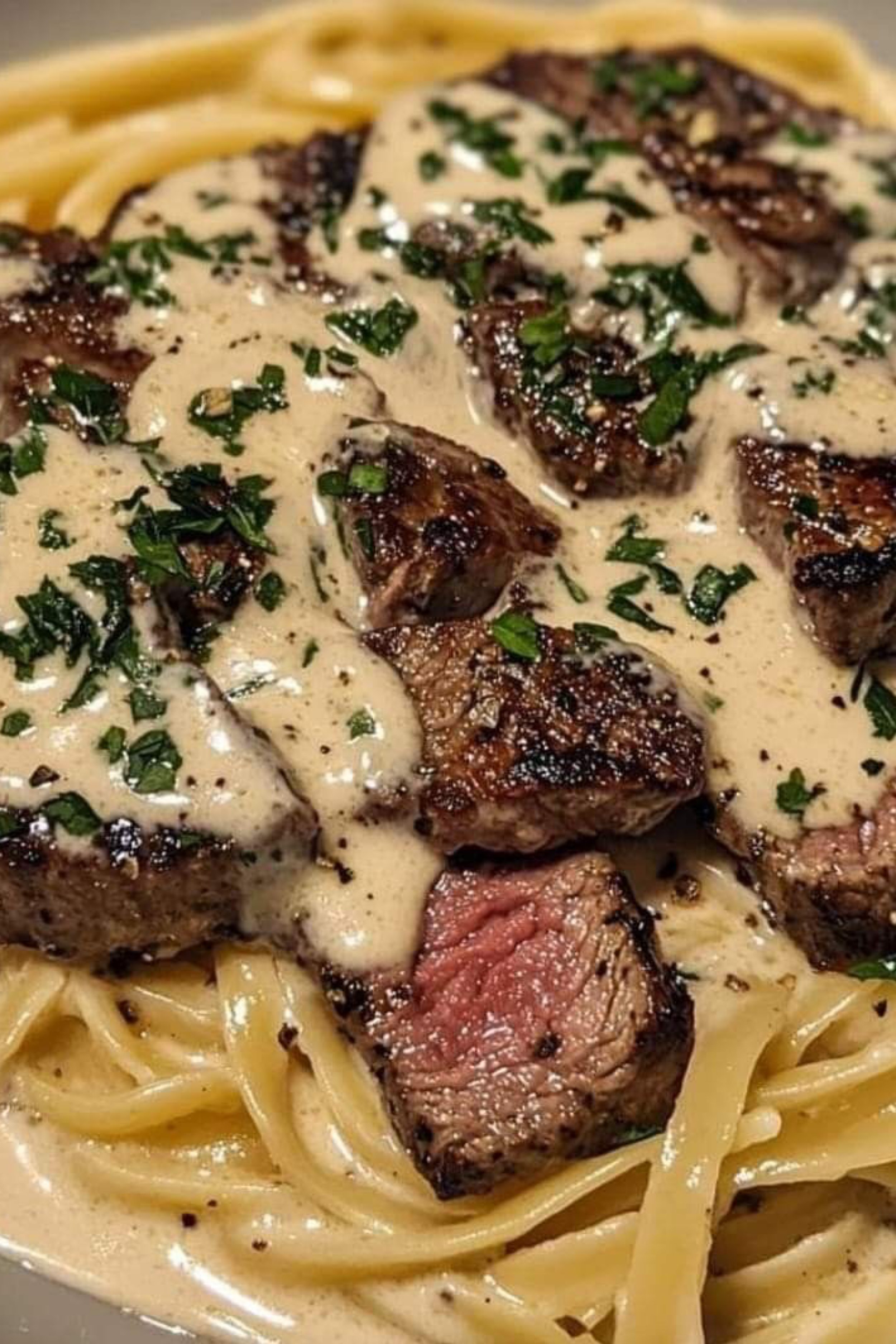
The first thing you notice is the sheen—silk-thick and pale, pooling in slow waves over the pasta like warm satin. Cream clings to each ribbon of linguine, turning the strands glossy and sunlit, the kind of finish that makes a simple bowl feel like a private indulgence. Then your eyes land on the steak: seared cubes with edges darkened to a near lacquer, crusted in pepper and salt, their surfaces catching the light in tiny sparks of caramelization. A scatter of chopped parsley snaps everything into focus—green flecks that look like fresh air against all that richness.
It’s the sort of plate that belongs to a certain mood. Not rushed. Not distracted. Something that happens when the kitchen is quieter than usual, when the pan has room to sing and you have room to listen. There’s a ritual to it: the assertive heat, the quick sizzle, the moment you flip each bite and watch a browned crust bloom. A good pan matters here—something that holds heat and doesn’t flinch when cold steak hits metal, like a heavy stainless-steel skillet built for hard sears or a cast-iron pan that keeps its nerve. The steak wants intensity, not hesitation.
And then—almost immediately—the tone shifts. After the sear, after the edges have done their dramatic work, the sauce arrives to soften the scene. It’s creamy but not sleepy, brightened with garlic, anchored by Parmesan, and warmed through with the savory drippings left behind in the skillet. That’s the trick: the flavor lives in the browned bits. You don’t scrub them away—you coax them into something luxurious. A splash of broth, a swirl of cream, a gentle scrape with something sturdy like a wooden spoon that won’t bully your pan, and suddenly the skillet turns into a saucepot without ever leaving the heat.
The pasta underneath plays the perfect supporting role—soft, slippery, and just structured enough to carry the sauce without collapsing. Linguine is ideal because it threads through the cream and gathers it, strand by strand, the way a scarf catches perfume. If you keep a pantry built for comfort, chances are you already have what you need; if not, it’s an easy upgrade with a simple linguine stash worth keeping on hand. The goal is that sweet spot where the noodles are tender but still have a little spring, so the bowl doesn’t become heavy—just lush.
This is a dish that rewards small, smart choices. Steak bites cook fast, so they forgive a busy schedule, but they also demand attention for a few crucial minutes. You pat them dry, season them generously, and let the heat do its work. Tongs make it feel effortless—quick flips, clean movements, no fuss—especially with a set of long cooking tongs made for hot pans. And if you’ve ever wished for steak that lands exactly where you want it—pink inside, browned outside—an instant-read check turns guesswork into confidence, like a fast instant-read thermometer that takes the pressure off.
The sauce is where the comfort lives, but it shouldn’t feel flat. Parmesan brings salinity and depth, garlic brings warmth, and pepper keeps the whole thing awake. Freshly grated Parmesan melts smoother and tastes cleaner than the dusty stuff—there’s a reason it changes everything. If you don’t already have one, a microplane-style grater for fine cheese and garlic becomes the quiet hero of nights like this. The parsley at the end isn’t garnish so much as balance; it cuts the cream, brightens the steak, and makes each forkful feel lighter than it has any right to.
Even the plating tells a story. Pasta first, curled into a shallow nest. Steak bites laid across the top like scattered jewels, some showing a blush of pink where the sear gave way to tenderness. Then that final pour—sauce draped over everything in generous ribbons, pepper speckling the cream, herbs catching in the folds. It’s unpretentious, but it looks like you meant it. Like you set out to make dinner feel like a reward.
And that’s the real appeal: the way it transforms ordinary ingredients into something that feels a little cinematic. The sear is dramatic, the sauce is soothing, and the pasta makes it all feel complete. It’s date-night energy without the restaurant noise. It’s comfort food with a sharp suit on. The kind of meal that makes you slow down—not because it’s complicated, but because it’s exactly what you wanted before you knew how to name it.
Steak Bites & Creamy Pepper-Parmesan Linguine
Ingredients
- 1 lb steak (sirloin, ribeye, or strip), cut into 1-inch cubes
- 10–12 oz linguine
- 1 tbsp neutral oil (avocado/canola)
- 2 tbsp butter, divided
- 4–6 cloves garlic, minced (or finely grated)
- 1 cup heavy cream
- 1/2 cup beef broth (or chicken broth)
- 3/4 cup freshly grated Parmesan, plus more to finish
- 1–2 tsp cracked black pepper (to taste)
- Salt, to taste
- 1/4 cup chopped fresh parsley
Method
- Boil pasta: Cook linguine in well-salted water until al dente. Reserve 1 cup pasta water, then drain.
- Season steak: Pat steak cubes very dry. Season generously with salt and cracked pepper.
- Sear steak bites: Heat a skillet over medium-high until very hot. Add oil, then steak in a single layer. Sear 2–3 minutes per side until deeply browned. Work in batches if needed. Remove steak to a plate.
- Build the sauce: Reduce heat to medium. Add 1 tbsp butter, then garlic; cook 30–45 seconds until fragrant. Pour in broth, scraping up browned bits. Add cream and simmer 2–3 minutes to thicken slightly.
- Melt in Parmesan: Stir in Parmesan until smooth. Loosen with a splash of reserved pasta water if needed. Taste and adjust salt and pepper.
- Combine: Toss linguine in the sauce. Return steak (and juices) to the skillet just long enough to warm through, 30–60 seconds.
- Finish: Top with parsley, extra Parmesan, and a final crack of black pepper. Serve immediately.
This one lives and dies by two things: a fearless sear and a sauce that stays silky instead of splitting. Nail those, and everything else—pasta timing, seasoning, plating—falls into place like it was always meant to happen.
Start by setting yourself up for speed. Steak bites cook in minutes, and sauce comes together fast, so have your garlic chopped, Parmesan ready, parsley cut, and broth measured before the pan heats. It’s the difference between a calm, confident cook and a frantic scramble. If you want the smoothest melt, grate the cheese fine; a microplane-style grater makes that effortless and keeps the texture creamy rather than grainy.
1) Choose the right steak cut—and cut it right
Sirloin is leaner and affordable, ribeye is richer, strip is a great middle ground. Whatever you choose, cut into even 1-inch cubes so everything sears at the same pace. Uneven pieces mean some bites overcook while others lag behind. Trim off any thick exterior fat caps that won’t render fast enough in bite form; you want quick browning, not chewy edges.
2) Dry steak = crust
This is non-negotiable. Pat the cubes dry until the surface looks matte, not damp. Moisture is the enemy of browning; it steams the meat and steals heat from the pan. Dry steak hits hot metal and immediately starts building that deep, savory crust.
3) Salt and pepper with intent
Season more than you think you should—some will fall off, some will stay in the pan, and the sauce will dilute things slightly. Crack pepper fresh if you can; it tastes sharper and more aromatic. A sturdy grinder helps here, like a simple pepper mill built for coarse cracks. If you love heat, reserve a little extra pepper for the end so it stays bright rather than mellowed by simmering.
4) Pan temperature is the whole game
Use a pan that holds heat well: a stainless-steel skillet made for searing or classic cast iron. Heat it until it’s properly hot—when a drop of water dances and evaporates quickly. Then add oil, then steak. If the steak goes in before the pan is ready, you lose the crust.
5) Don’t crowd the steak
Crowding causes steaming. Steam is sadness. Work in batches if needed and give the cubes breathing room so the edges brown instead of gray. Use long kitchen tongs to flip cleanly without piercing the meat and leaking juices.
Cook time depends on cube size and your heat, but typically:
- 2–3 minutes per side for a strong crust
- Pull when the outside is browned and the center is still a little underdone, because you’ll rewarm later
If you want precision, check a piece with an instant-read thermometer:
- 125°F for rare
- 130–135°F for medium-rare (ideal here) Remember: carryover heat and the final warm-through will nudge it upward.
6) Build the sauce in the same pan—on purpose
After you pull the steak, you’ll see browned bits stuck to the bottom. That’s flavor. Lower the heat to medium so garlic doesn’t scorch. Add butter, then garlic, and stir for just 30–45 seconds until it smells sweet and toasty.
Now deglaze. Pour in broth and scrape the bottom with something sturdy—a wooden spoon works beautifully—until the pan looks clean and the liquid is tinted brown. This step transforms “drippings” into “restaurant-level base.”
7) Cream timing keeps it smooth
Add the cream once the broth has done its job. Bring it to a gentle simmer, not a hard boil. Boiling can break cream or make it reduce too aggressively, turning the sauce heavy. Simmer 2–3 minutes until it thickens enough to coat a spoon.
If you ever see tiny oily pools forming, you’re running too hot. Pull the pan off the heat for 30 seconds, stir, and lower the temperature. A splash of pasta water can also help re-emulsify.
8) Parmesan goes in off the boil
Cheese can clump if the sauce is ripping hot. Keep the heat low, sprinkle in Parmesan gradually, and stir constantly. Freshly grated melts smoother than pre-shredded. You’re aiming for glossy, not gluey.
9) Pasta water is your secret lever
Reserve at least a cup. Pasta water brings starch, which helps the sauce cling and stay silky. If your sauce feels too thick, add pasta water a tablespoon at a time. If it feels too thin, simmer gently for another minute—don’t panic and dump in more cheese.
Cook linguine to al dente so it finishes in the sauce without turning soft. If you need a reliable pantry backup, classic linguine is easy to keep stocked.
10) Reintroduce steak at the very end
Steak bites overcook fast. Return them (and any juices) only long enough to warm through—30–60 seconds. You’re not “cooking,” you’re “reuniting.” That keeps the centers tender and pink.
Variations that keep the vibe
- Mushroom addition: Sauté sliced mushrooms after the steak, before garlic, until browned. Then proceed.
- Garlic-Parmesan heat: Add red pepper flakes with the garlic.
- Herb switch: Basil or chives can replace parsley for a different finish.
- Lighter sauce: Use half-and-half instead of heavy cream, but keep the heat gentler and expect a thinner finish.
Troubleshooting quick fixes
- Sauce too thick: Add pasta water in small splashes, stir, and loosen gradually.
- Sauce too thin: Simmer gently 1–3 minutes; it thickens as water evaporates.
- Steak tough: Likely overcooked or cut too small. Next time, larger cubes and a shorter final warm-through.
- Not enough flavor: Add salt first, then pepper, then a little extra Parmesan. Seasoning order matters.
Finish with parsley and one more crack of black pepper. The result should feel balanced: seared, savory steak; creamy, peppery sauce; pasta that carries everything without drowning. It’s rich, yes—but clean enough that the next bite still feels like the best bite.